How to Make Zimnica: A Croatian Guide to Preserving Summer Vegetables
Zimnica is the Croatian tradition of preserving summer vegetables for the colder months. Learn the basics of pickling, fermenting and storing your own produce at home.
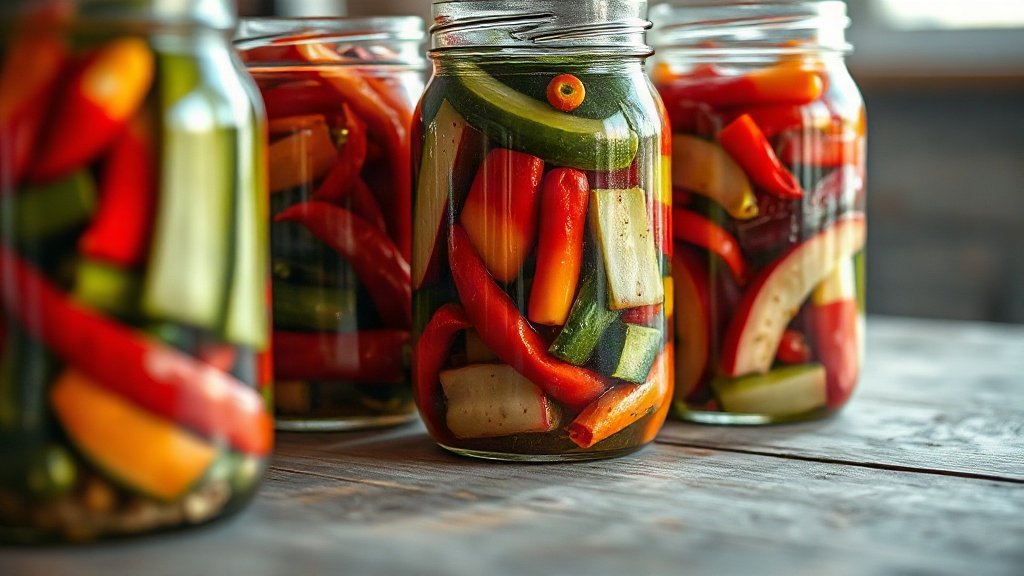
Illustration: AI-generated image
In Croatia, the end of summer brings not just cooler evenings but a flurry of activity in kitchens across the country. Families gather to prepare zimnica, the collective term for preserved vegetables that will brighten winter meals. From tangy pickled peppers to crunchy fermented cabbage, zimnica is both a practical way to avoid waste and a beloved culinary tradition. This guide will walk you through the basics so you can try your hand at this satisfying autumn ritual.
What is Zimnica?
The word zimnica comes from zima, meaning winter. It refers to a wide range of preserves made when gardens and markets overflow with ripe produce. Common items include pickled cucumbers, roasted red peppers in oil, ajvar, sauerkraut-like fermented cabbage, and mixed vegetable relishes. Every family has its own recipes, passed down through generations, and the process is often a social occasion with friends and relatives helping out.
Essential Equipment
You do not need fancy tools to make zimnica. A large stockpot for sterilising jars, clean glass jars with tight-fitting lids, a wide funnel, and a ladle will cover most recipes. A sharp knife and a sturdy chopping board are essential for preparing vegetables. For fermentation, you will also need a suitable container such as a ceramic crock or food-grade plastic bucket. Always ensure that all equipment is thoroughly washed and rinsed before use.
Choosing Your Vegetables
The best zimnica starts with the freshest produce. Look for firm, unblemished vegetables at local green markets or from your own garden. Peppers, cucumbers, tomatoes, aubergines, cabbage and carrots are popular choices. It is worth buying in season when prices are lowest and flavour is at its peak, but even a small batch from a market stall can be a good introduction to the process.
Basic Pickling Method
Pickling in vinegar is one of the simplest ways to preserve vegetables. A basic brine can be made by combining equal parts water and white wine or apple cider vinegar, with salt and sugar to taste, plus spices such as peppercorns, bay leaves or mustard seeds. Bring the brine to the boil, pack your prepared vegetables into sterilised jars, and pour the hot liquid over them, leaving a little headspace. Seal the jars immediately and allow them to cool. The vegetables will keep for several months in a cool, dark place.
Fermenting Vegetables
Fermentation is another traditional method that requires no vinegar. Cabbage, for example, can be shredded, mixed with salt, and packed tightly into a crock. The salt draws out liquid, creating a brine that encourages beneficial bacteria to develop. This process gives the cabbage a pleasantly sour flavour and a satisfying crunch. Keep the crock in a cool spot and check it regularly, skimming off any surface scum. After a few weeks, the fermented cabbage is ready to eat and can be stored in jars in a cellar or fridge.
Storing Your Zimnica
Proper storage is key to making your preserves last. Choose a cool, dark place such as a pantry, cellar or unheated room. Avoid direct sunlight and temperature fluctuations. Well-sealed jars can keep for a year or more, but it is wise to check occasionally for signs of spoilage such as mould, bulging lids or off smells. When you open a jar, keep it in the fridge and use it within a few weeks.
Making zimnica is a rewarding way to connect with Croatian food culture and enjoy the taste of summer long after the season has ended. Start with a small batch of pickles or a simple sauerkraut, and you may soon find yourself looking forward to this annual tradition as much as the locals do.