How to Open a Restaurant in Croatia: A Step-by-Step Guide
Opening a restaurant in Croatia involves several legal and administrative steps. This guide covers the key requirements from business registration to health and safety compliance.
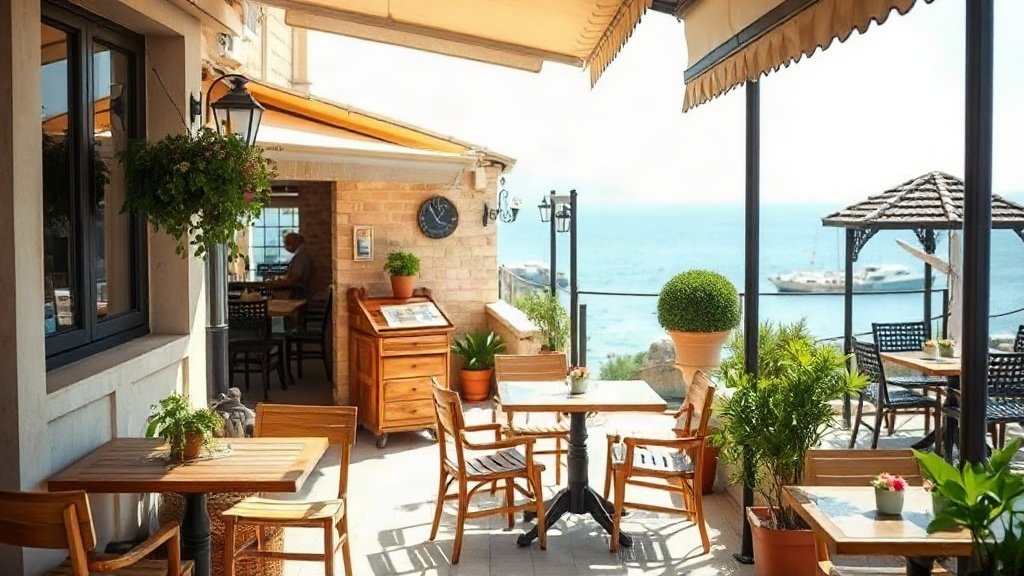
Illustration: AI-generated image
Opening a restaurant in Croatia is an exciting venture, but it requires careful planning and adherence to local regulations. Whether you are dreaming of a cosy konoba by the sea or a modern bistro in Zagreb, understanding the legal and administrative steps will help you get started on the right foot.
Choosing Your Business Structure
Most restaurant owners in Croatia operate as a limited liability company (j.d.o.o. or d.o.o.) or as a sole trader (obrt). A d.o.o. offers limited liability and is often preferred for larger operations, while an obrt is simpler to set up and may suit smaller, family-run establishments. Consider factors such as liability, tax obligations, and administrative ease when making your choice.
Registering Your Company
To register a company, you will need to submit documentation to the commercial court. This includes the articles of association, proof of initial capital, and details of the company's directors. Once registered, you will receive a company registration number (MBS) and must obtain a tax identification number (OIB) from the tax authority. You will also need to register with the Croatian Bureau of Statistics and the health and pension insurance institutes.
Preparing the Premises
Your restaurant premises must meet specific requirements for food businesses. This includes having adequate space for food preparation, storage, and waste disposal. You will need to ensure appropriate ventilation, lighting, and sanitation facilities. Before opening, the premises will be inspected by sanitary authorities to issue a health certificate. Additionally, if you plan to serve alcohol, you may need a separate licence from the relevant ministry.
Food Safety and Health Requirements
All restaurants in Croatia must implement a food safety management system based on HACCP principles. This involves identifying potential hazards and establishing procedures to control them. Staff must be trained in food hygiene, and records must be kept. Regular inspections by sanitary inspectors are common, so it is important to maintain high standards.
Hiring Staff
You will need to hire qualified chefs, waiters, and other personnel. In Croatia, employment contracts must be in writing and comply with labour laws. You must register employees with the health and pension insurance institutes and deduct taxes and contributions. Consider the seasonal nature of tourism in many Croatian destinations, which may affect staffing needs.
Opening Your Doors
Once all permits are in place, you can open your restaurant. It is advisable to test your operations with a soft opening before the grand launch. Pay attention to local business culture, which values personal relationships and quality service. Good luck with your new venture!