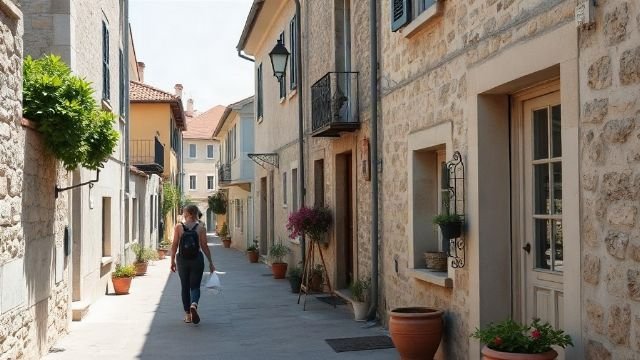
How to Order Coffee Like a Local in Croatia
From espresso bars to leisurely kavana sessions, learn the etiquette, styles, and social rituals of Croatia's beloved coffee culture.
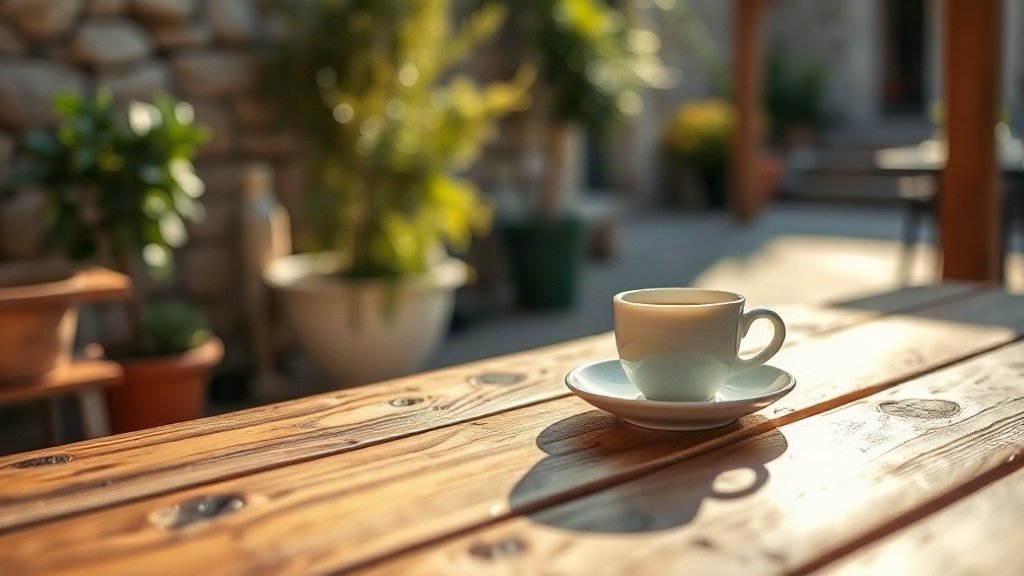
Illustration: AI-generated image
Coffee in Croatia is more than a morning pick-me-up—it's a social ritual, an art form, and a beloved excuse to slow down. Whether you're grabbing a quick espresso at a standing bar or settling into a sun-drenched terrace for hours, knowing how to order kava like a local will transform your experience.
What is Kava?
Kava simply means coffee, but the default is a small, strong espresso. It's served in a tiny cup, often with a glass of water and sometimes a small sweet. Croats take their coffee seriously, and quality is generally high, with many cafes using Italian-style machines and freshly roasted beans.
Key Coffee Styles to Know
Ordering is easiest if you know the local terms. Here are the most common:
- Kava – espresso, the default black coffee.
- Kava s mlijekom – espresso with a dash of milk, similar to a macchiato.
- Produžena – an extended espresso, like an Americano but with less water, stronger.
- Bijela kava – white coffee, typically a large cup of milk with a shot of espresso, like a latte.
- Kapućino – cappuccino, usually topped with cocoa or cinnamon.
- Ledena kava – iced coffee, often served with ice cream for a treat.
If you prefer decaf, ask for kava bez kofeina. For a small shot with milk foam, order makijato.
The Kavana Ritual: Slow Down and Savor
In Croatia, coffee is rarely a grab-and-go affair. Locals gather at kavanas (cafes) to chat, read newspapers, or simply watch the world go by. A single coffee can last an hour or more, and it's perfectly normal to order just one drink and linger. Waitstaff won't rush you—lingering is expected and encouraged.
This relaxed pace is especially strong in coastal towns, where outdoor terraces fill from morning to late night. In Zagreb, the cafe culture is equally vibrant, with historic squares and side streets lined with charming spots.
How Coffee is Served
Traditionally, kava comes with a small glass of water to cleanse the palate, and often a cube of sugar or a tiny biscuit. In many places, especially along the coast, you'll find coffee served with a small piece of chocolate or a slice of lemon. The water is essential—it's meant to be sipped before the coffee to enhance the flavour.
Where to Enjoy Coffee in Croatia
You'll find excellent coffee throughout the country, but each region has its own flavour. Coastal cities like Split, Rijeka, and Dubrovnik offer seaside terraces perfect for people-watching. Inland, Zagreb's café scene blends Austro-Hungarian elegance with modern style, while smaller towns provide cozy, family-run kavanas where time seems to stand still.
For the full experience, seek out a cafe on a main square in the late morning—that's the prime time for špica, the social ritual of seeing and being seen. Order a kava, take a seat, and let the conversation flow.
Tips for Coffee Lovers
When ordering, a simple molim (please) goes a long way. Payment is usually made when you leave, not upfront. Tipping is appreciated but not mandatory—round up or leave a few euros if service was good. And remember: coffee is best enjoyed slowly, with good company or a good book.