How to Prepare Your Croatian Garden for Winter: Essential Tasks
A practical guide to getting your garden ready for the colder months in Croatia, from clearing beds to protecting tender plants and planting for early spring.
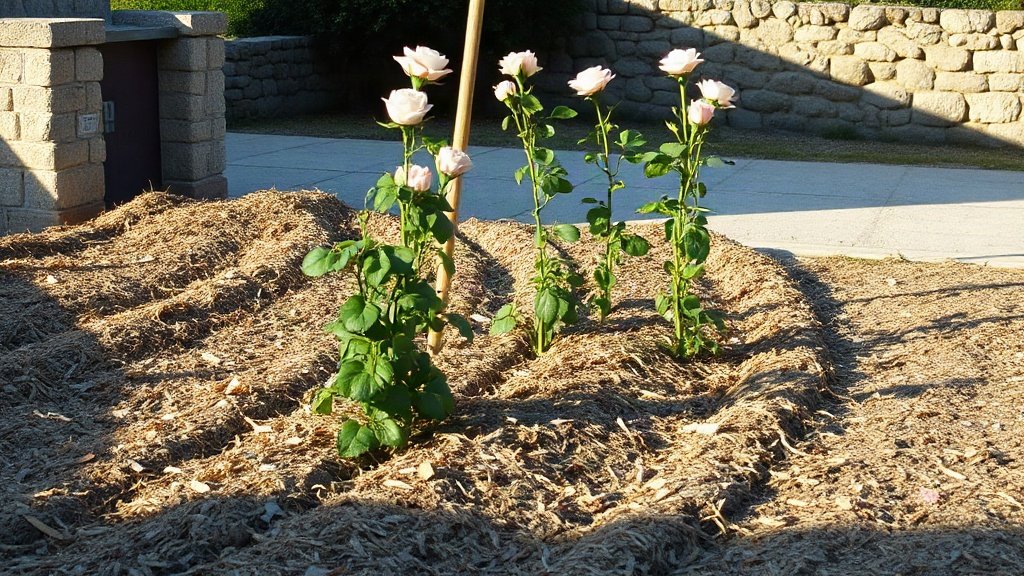
Illustration: AI-generated image
As autumn turns to winter, gardens across Croatia need a little attention to stay healthy and bounce back strongly in spring. Whether you tend a small urban plot in Zagreb or a sprawling terrace on the Dalmatian coast, a few simple tasks now will save you work later and protect your plants from cold, wind and heavy rain.
Clear the Beds
Start by removing spent annuals, weeds and fallen leaves from vegetable and flower beds. Leaving diseased or pest-ridden material in place can overwinter problems. Healthy plant debris can go into your compost pile, but avoid adding anything showing signs of mould or mildew.
In coastal areas, strong bura winds can scatter debris and dry out the soil, so a thorough clean-up is especially useful. In continental regions, heavy autumn rains can compact the ground, making it harder for roots to breathe.
Prune and Protect Perennials
Many perennial herbs and flowers benefit from a light prune now. Lavender, rosemary and sage, common in Dalmatia, should be trimmed to prevent woody growth and reduce wind damage. However, avoid cutting into old wood, as these plants may not regrow from it.
Olive trees are a staple in many gardens. Prune them lightly in late autumn or early winter to improve air circulation and remove dead branches, but save heavy pruning for late winter when the risk of frost has passed.
For delicate plants like citrus (lemons, oranges) that grow along the coast, consider wrapping them with horticultural fleece during cold snaps. Inland, where frosts are more severe, move potted tender plants into a greenhouse, garage or a well-lit indoor space.
Mulch for Warmth and Moisture
Applying a thick layer of organic mulch—such as straw, wood chips, or compost—around the base of perennials, shrubs and young trees helps insulate the soil, retain moisture and suppress weeds. In continental Croatia, this is crucial to prevent the ground from freezing and thawing repeatedly, which can heave plants out of the soil.
For vegetable beds, a green manure crop like field beans or winter rye can be sown now and dug in next spring to improve soil structure and fertility.
Plant for Winter and Early Spring
November is a good time to plant garlic, onions and shallots in most parts of Croatia. In milder coastal areas, you can also direct-sow broad beans, peas, spinach and winter lettuce. Protect young seedlings with a cloche or cold frame if frost threatens.
Bare-root fruit trees and berry bushes, such as apples, pears and currants, establish well when planted in late autumn while the soil is still warm. Make sure to water them in well and stake if the site is windy.
Care for Your Tools and Soil
Before storing your gardening tools for the season, clean and oil them to prevent rust. Drain hoses and irrigation systems to avoid freezing damage, especially in inland areas where temperatures regularly drop below zero.
Finally, consider a soil test if you haven't done one recently. Adding lime or sulphur according to the results can correct pH imbalances before spring planting. Most garden soils in Croatia benefit from a top dressing of well-rotted compost before winter sets in.
By ticking off these tasks now, you'll give your garden the best chance to thrive when the warmer weather returns.