How to Read Croatian Food Labels: A Practical Guide for Expats
Understanding the labels on food packaging in Croatia can save you time, money and confusion. Here's what to look for when you shop.
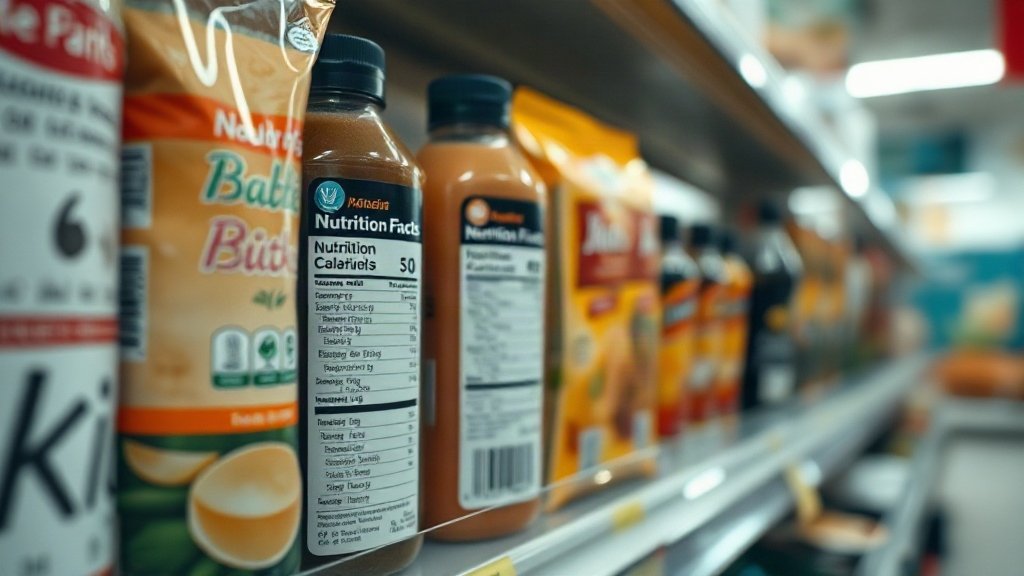
Illustration: AI-generated image
When you first move to Croatia, a trip to the supermarket can feel like a language lesson. Food packaging is covered in words like sastojci, alergeni and čuvati na hladnom i suhom mjestu. The good news is that Croatia follows European Union labelling rules, so the information is always there — you just need to know where to look. This guide will help you read Croatian food labels with confidence.
What you'll find on the label
Every packaged food item must show its name, the list of ingredients, the net quantity, the name and address of the producer or importer, and a date mark. Ingredients are listed in descending order by weight, so the first few items are the ones that make up most of the product. If a product contains any of the 14 EU-recognised allergens, they must be highlighted in the ingredients list, often in bold or capital letters.
Key dates: 'use by' vs 'best before'
You will see two different date phrases. “Upotrijebiti do” means “use by” and appears on highly perishable foods like fresh meat, fish and dairy. After this date, the food is not safe to eat. “Najbolje upotrijebiti do” means “best before” and is found on canned, dried or frozen goods. After this date, the food may lose some quality but is usually still safe to consume. Always check the date before you buy, especially on reduced items.
Allergens and additives
The 14 allergens that must be declared include gluten, milk, eggs, nuts, soy, celery, mustard, sesame, lupin, molluscs, crustaceans, fish, peanuts and sulphites. In the ingredients list, you might see them written in bold, underlined, or in a separate box that says sadrži alergene (contains allergens). Additives are listed by their E number or full name, so if you avoid certain colourings or preservatives, look for the E code.
Nutrition information
Most packaged foods include a nutrition table. It shows energy (in kilojoules and kilocalories), fat, saturates, carbohydrate, sugars, protein and salt, usually per 100 grams or 100 millilitres. Some products also give values per portion. This table is a useful tool for comparing brands, but remember that the portion size may differ from what you actually eat.
Country of origin and producer
Labels must state where the food comes from if its absence could mislead you. For fresh fruit and vegetables, meat, honey, olive oil and wine, the country of origin is mandatory. For other products, you will often see proizvedeno u (produced in) or zemlja podrijetla (country of origin). The name and address of the producer or importer also appear, usually near the ingredient list.
Storage and preparation
Look for phrases like čuvati na hladnom i suhom mjestu (store in a cool, dry place), čuvati u hladnjaku (keep refrigerated) or nakon otvaranja potrošiti u roku od (consume within X days after opening). Following these instructions helps prevent food waste and keeps you safe. If a product needs cooking, the label will include preparation steps, often with symbols for microwave, oven or hob.
Reading Croatian food labels takes a little practice, but once you know the key phrases, shopping becomes much easier. Take a moment to check the date, scan the ingredients, and note the storage advice — your stomach and your wallet will thank you.