How to Recycle in Croatia: A Simple Guide to Sorting Your Waste
Recycling is part of everyday life in Croatia, but the rules can be confusing at first. Here's what you need to know to sort your waste properly and avoid common mistakes.
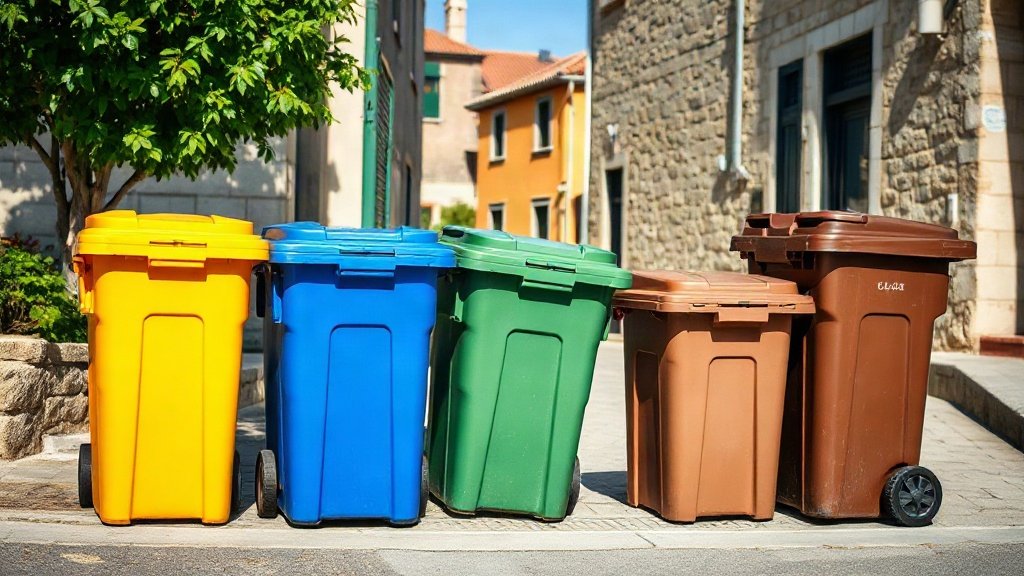
Illustration: AI-generated image
When you move to Croatia, one of the first practical things you'll notice is the colour-coded bins on every street corner. Recycling is taken seriously here, and households are expected to sort their waste. At first, the system can feel a little overwhelming, but once you get the hang of it, it becomes second nature. This guide walks you through the basics so you can recycle with confidence.
The Basics: Bin Colours and What They Mean
Across Croatia, you'll generally find four main types of containers, though the exact colours and labels can vary slightly from one municipality to another. The most common scheme is:
- Blue bins for paper and cardboard
- Yellow bins for plastic and metal packaging
- Green bins for glass
- Brown or grey bins for mixed municipal waste (the stuff that can't be recycled)
Some areas also have separate containers for organic waste, often with a brown lid or a special bin. If you're unsure, check the label on the bin or ask a neighbour—most locals are happy to help newcomers learn the ropes.
What Can Be Recycled
Knowing what goes in each bin makes a big difference. Here's a quick rundown:
- Paper and cardboard: newspapers, magazines, office paper, cardboard boxes (flattened), and paper packaging. Remove any plastic windows or tape.
- Plastic: bottles, containers, bags, and packaging marked with recycling symbols. Rinse them out and squash them to save space.
- Metal: aluminium cans, tin cans, and small metal items like lids and foil (clean).
- Glass: bottles and jars, but not window glass, mirrors, or light bulbs—those need special disposal.
Items like batteries, electronics, and bulky waste are not allowed in these street bins. They have their own collection points, usually at recycling yards or special containers placed around town.
Common Mistakes to Avoid
Even well-meaning recyclers make mistakes. Here are a few to watch out for:
- Putting the wrong material in the wrong bin. For example, a pizza box with cheese stuck to it should go in mixed waste, not paper.
- Leaving liquids or food residue in containers. A quick rinse prevents contamination.
- Mixing glass with other recyclables. Broken glass can ruin a whole load of paper or plastic.
- Placing plastic bags in the paper bin. They often get tangled in sorting machines.
Recycling Centres and Special Waste
For things like paint, chemicals, old furniture, or appliances, you'll need to visit a local recycling centre (often called reciklažno dvorište). These are usually free for residents, but you may need to show proof of address. Many municipalities also organise periodic collections for bulky items or hazardous waste, so keep an eye on local notices.
Reducing Waste at Home
Beyond sorting, a few simple habits can cut down what ends up in the bin. Bring your own bags to the market, choose products with less packaging, and compost food scraps if you have a garden. In Croatia, many people keep a small compost bin for fruit and vegetable peelings, which then feeds their flowers or vegetables.
A Small Effort, a Big Difference
Recycling in Croatia is a shared responsibility, and once you know the system, it's straightforward. Take a moment to learn your local rules, and you'll not only fit in but also contribute to keeping this beautiful country clean for everyone.