How to Start a Tourism Business in Croatia: A Step-by-Step Guide
From choosing the right legal structure to navigating permits and licences, here's what you need to know before launching a tourism venture in Croatia.
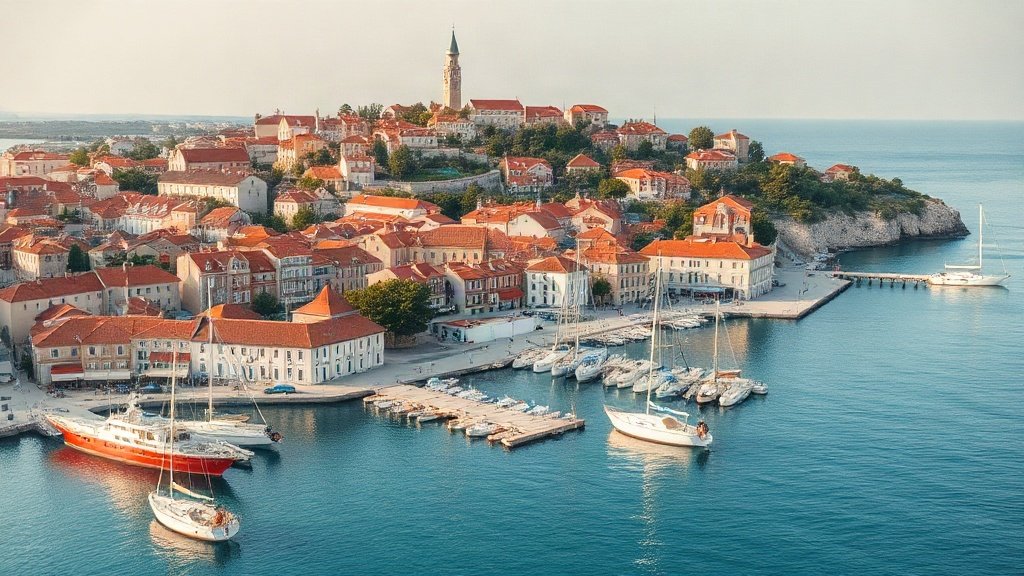
Illustration: AI-generated image
Croatia's tourism industry is one of the most dynamic sectors of the national economy, drawing millions of visitors each year to its Adriatic coast, historic cities, and national parks. For entrepreneurs, this presents a wealth of opportunities—from boutique accommodation and adventure tours to food and wine experiences. However, starting a tourism business in Croatia requires careful planning and compliance with specific regulations. This guide walks you through the essential steps.
Understand the Market and Choose Your Niche
Before registering a business, research the local tourism landscape. Croatia's peak season runs from June to September, with coastal regions experiencing the highest demand. Consider what type of tourism business aligns with your skills and resources: accommodation (hotels, guesthouses, campsites), travel agencies, tour operations, nautical tourism, or gastronomy. Niche markets such as cultural tourism, eco-tourism, and active holidays are growing, offering room for differentiation.
Choose the Right Legal Structure
The most common business forms for tourism ventures are the limited liability company (d.o.o.) and the sole trader (obrt). A d.o.o. provides limited liability and is often preferred for larger operations or those seeking investment. An obrt is simpler to set up and suitable for individual owners, but the owner bears unlimited liability. For certain accommodation types, such as private rooms or apartments, you may operate as a "rental household" (iznajmljivač) with a simplified registration procedure.
Register Your Business and Obtain Necessary Permits
Registration begins with the commercial court or the relevant trade registry, depending on your structure. You will need a Croatian personal identification number (OIB) and must open a business bank account. For tourism-specific activities, the following permits and licences may be required:
- Accommodation: Categorisation certificate from the Ministry of Tourism, based on quality standards.
- Travel agencies and tour operators: Licence from the Ministry of Tourism and registration as a package travel organiser if offering packages.
- Nautical tourism: Concession or permit for berths, and compliance with maritime safety regulations.
- Food and beverage services: Health and safety permits, and a minimum technical conditions certificate (rješenje o minimalnim tehničkim uvjetima).
Local authorities may impose additional requirements, such as zoning approvals or environmental permits, so consult your municipal office early in the process.
Secure Financing and Funding
Tourism projects often require significant upfront investment. Funding options include bank loans, EU grants, and national incentives such as those offered by the Croatian Bank for Reconstruction and Development (HBOR). For small businesses, microcredit schemes and start-up grants may be available. Develop a detailed business plan, as lenders and grant providers will require projections of occupancy rates, seasonality, and revenue.
Comply with Tourism-Specific Regulations
Beyond registration, tourism businesses must adhere to ongoing obligations: collecting and remitting the tourist tax (boravišna pristojba) for accommodation providers, registering guests with the eVisitor system, and issuing fiscalised receipts. Employment contracts must follow Croatian labour law, and seasonal staff require appropriate contracts and social insurance. Stay updated on changes to regulations, as tourism policy evolves regularly.
Market Your Business Effectively
In a competitive market, visibility is key. Build a professional website optimised for search engines, list on major booking platforms, and maintain a strong presence on social media. Partnerships with local wineries, restaurants, and cultural institutions can enhance your offering. Consider off-season strategies, such as promoting wellness retreats or corporate events, to extend your income beyond summer.
Starting a tourism business in Croatia offers great potential but demands diligence. By following the steps above and seeking professional advice when needed, you can establish a successful venture in one of Europe's most beloved destinations.