How to Start Composting at Home in Croatia: A Simple Guide
Turn kitchen scraps and garden waste into rich compost for your Croatian garden, reducing household waste and nourishing plants naturally.
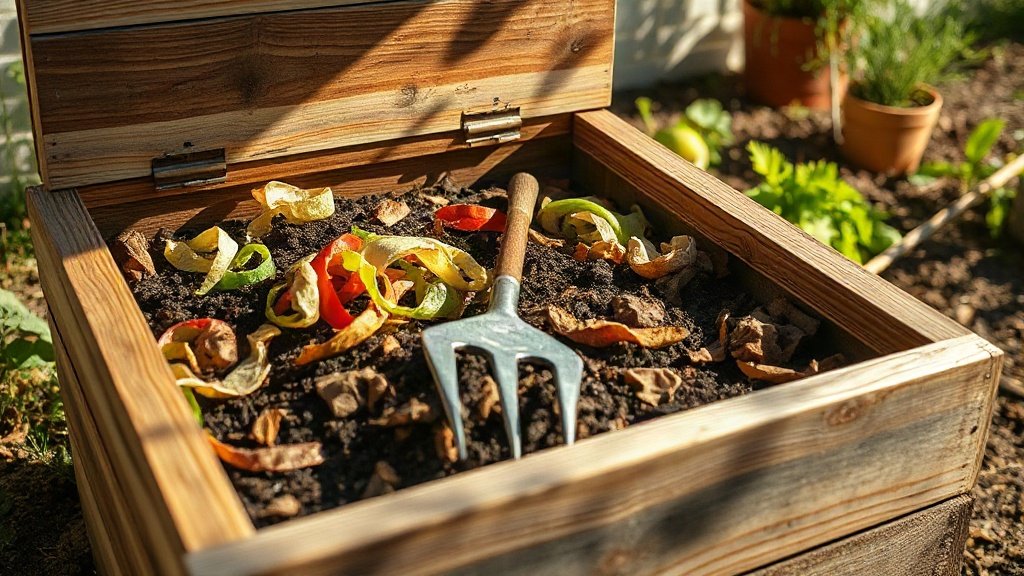
Illustration: AI-generated image
Composting is a simple, rewarding way to recycle organic waste at home, and it fits perfectly with Croatia's deep-rooted gardening culture. Whether you have a spacious courtyard in Slavonia, a terraced garden on the Dalmatian coast, or just a small balcony in Zagreb, you can turn kitchen scraps and garden trimmings into nutrient-rich compost that your plants will love.
The Mediterranean and continental climates of Croatia both support composting, though the process may slow during cold winters or hot, dry summers. With a little attention to balance and moisture, however, you can produce excellent compost year-round. Best of all, you'll reduce the amount of waste sent to landfill and create a free soil improver for your garden.
What Can You Compost?
A successful compost pile needs a mix of 'green' nitrogen-rich materials and 'brown' carbon-rich materials. Greens provide protein for the microorganisms that break down the waste, while browns supply energy and help maintain airflow.
Green materials (nitrogen-rich):
- Fruit and vegetable scraps
- Coffee grounds and tea bags
- Fresh grass clippings
- Plant trimmings and spent flowers
- Eggshells (rinsed and crushed)
Brown materials (carbon-rich):
- Dry leaves
- Straw or hay
- Shredded newspaper and cardboard (avoid glossy paper)
- Wood chips and sawdust from untreated wood
- Dryer lint (from natural fibres)
Do not add meat, fish, dairy products, oils, or diseased plants, as these can attract pests and create unpleasant odours. Also avoid pet waste and weeds that have gone to seed.
Choosing a Compost Bin
You don't need an expensive bin to start composting. Many Croatian gardeners simply build a three-sided enclosure from wooden pallets or wire mesh, leaving the front open for turning. If you prefer a tidier look or have limited space, a plastic compost bin with a lid works well and is widely available at garden centres and DIY stores. For balconies or small terraces, a compact tumbler or a simple lidded bucket with drainage holes can be used for small-scale composting.
Setting Up Your Compost Pile
Choose a level, well-drained spot that is easily accessible from both your kitchen and garden. Partial shade is ideal; too much sun can dry out the pile, while deep shade may keep it too cool. Start with a layer of coarse brown material, such as small branches or twigs, to allow air circulation at the base. Then add alternating layers of green and brown materials, roughly one part green to two parts brown by volume. Keep the pile as moist as a wrung-out sponge, and turn it with a garden fork every few weeks to aerate it and speed up decomposition.
Maintaining Your Compost
During hot Croatian summers, your compost may dry out quickly. If it feels dry or stops shrinking, add water and mix in more green materials. In winter, especially in continental regions, the process slows down but usually resumes in spring. If your pile smells bad, it is likely too wet or has too many greens; add dry browns and turn it to improve airflow. A properly managed pile should have an earthy smell and produce heat in its centre.
Using Your Compost
Compost is ready when it is dark, crumbly, and smells like fresh earth, usually after three to six months depending on conditions. You can mix it into garden beds before planting, use it as a top dressing around established plants, or add it to potting mixes for container gardening. In Croatia, compost is especially valuable for improving the often stony, alkaline soils of the coastal region and for enriching the heavier soils of the interior.
Starting a compost pile is one of the easiest ways to live more sustainably in Croatia, and your garden will thank you with healthier, more productive plants.