Importing Goods into Croatia: A Practical Guide to Customs and Documentation
Bringing products into Croatia involves EU customs procedures, an EORI number, and correct documentation. Here's what every importer should know.
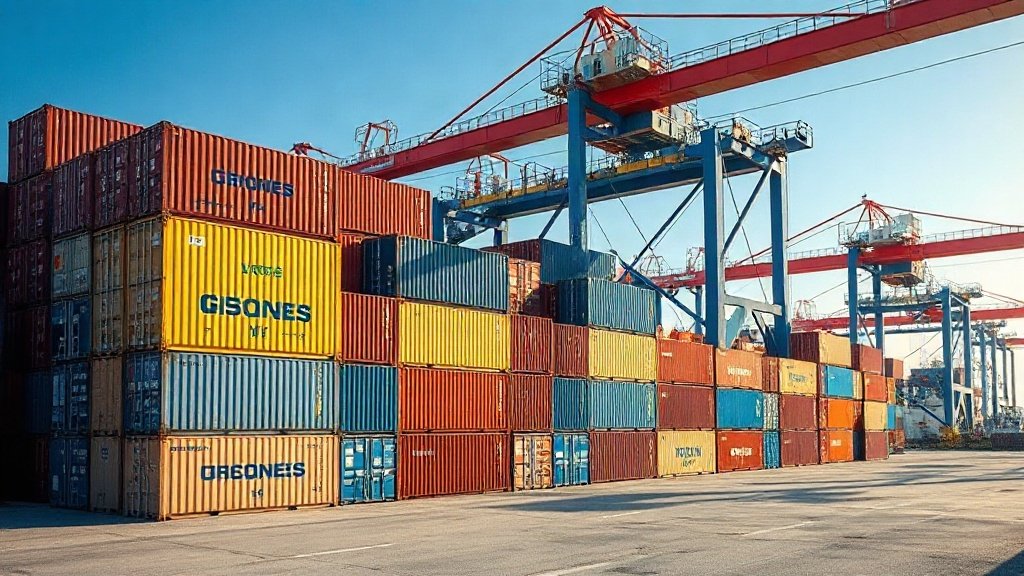
Illustration: AI-generated image
Importing goods into Croatia can be straightforward if you understand the key steps. As an EU member state, Croatia follows the Union Customs Code, meaning imports from outside the EU are subject to common customs rules, while goods arriving from other EU countries move freely without customs formalities.
Before you import: the essentials
Every business or individual importing goods into Croatia from a non-EU country needs an EORI number (Economic Operators Registration and Identification System). This unique identifier is used in all customs communications. You can apply for an EORI number through the Croatian Customs Administration. Registration is free and usually takes only a few days.
You should also determine the correct commodity code for your goods. The EU's TARIC database classifies every product and shows the applicable customs duty rate, VAT rate, and any import restrictions or special requirements. Getting the commodity code right is crucial because it affects the duties and taxes you pay and whether you need import licences or certificates.
Key documents for customs clearance
When your goods arrive at a Croatian port, airport, or land border, you must submit a customs declaration. The documents typically required include:
- Commercial invoice
- Packing list
- Bill of lading or airway bill
- Certificate of origin (if you want to claim preferential tariff treatment)
- Import licence or permit, if applicable
- Proof of EORI number
The customs declaration is usually filed electronically through the Croatian Customs Administration's system. Many businesses use a licensed customs broker to handle this process, especially for complex or high-value shipments.
Customs value, duties, and VAT
Customs duties are calculated on the customs value of the goods, which is generally the transaction value (the price actually paid or payable) plus certain costs like transport and insurance to the EU border. The duty rate depends on the commodity code and the country of origin. Goods from countries with which the EU has a free trade agreement may qualify for reduced or zero duty if you provide a valid certificate of origin.
In addition to customs duty, VAT is charged on imported goods at the standard Croatian rate of 25%, or a reduced rate for certain categories like books and some food products. VAT is calculated on the customs value plus any customs duty and other charges. Importers can usually deduct this import VAT as input tax if they are registered for VAT in Croatia.
Special procedures and simplifications
Croatia offers several customs simplifications for regular importers. These include:
- Authorised Economic Operator (AEO) status, which provides faster clearance and fewer physical controls.
- Customs warehousing, allowing you to store goods without paying duties until they are released for free circulation.
- Inward processing, which lets you import raw materials for processing and re-export without paying duties.
These procedures require prior authorisation from the Croatian Customs Administration and can significantly reduce costs and delays for businesses with frequent imports.
Practical tips for smooth importing
- Always check the TARIC database before ordering goods to understand duty rates and any restrictions.
- Ensure your commercial invoice is clear and complete; incomplete invoices are a common cause of delays.
- Consider using a customs broker, especially if you are new to importing.
- Keep all import documents for at least five years for audit purposes.
By preparing the right documentation and understanding the process, importing into Croatia can be a reliable part of your supply chain.