Klapa Singing: Croatia's Soulful A Cappella Tradition
Discover the haunting harmonies of klapa, Dalmatia's traditional a cappella singing, and learn where to experience it during your travels in Croatia.

Illustration: AI-generated image
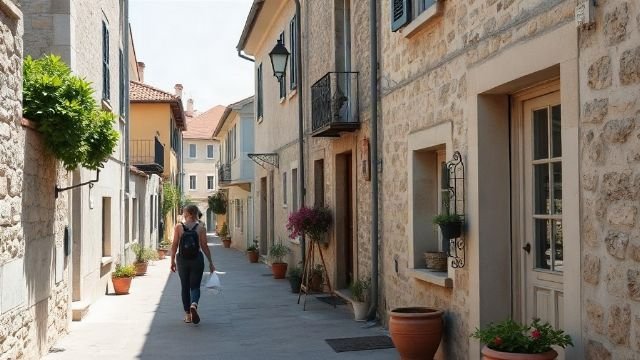
Walk through a Dalmatian stone square on a summer evening and you may hear voices rising in close harmony, unaccompanied by instruments. This is klapa, a form of traditional a cappella singing that has become a symbol of Croatian identity, particularly along the Adriatic coast. In 2012, UNESCO added klapa to its Representative List of the Intangible Cultural Heritage of Humanity, recognising its deep roots and continuing vitality.
What is klapa?
Klapa is a style of multipart singing performed by a group of four to ten people, traditionally men, though women's klapas are now common. The word klapa means "a group of friends" in local dialect, reflecting the social nature of the music. Singers typically divide into four vocal parts: first tenor, second tenor, baritone, and bass. The lead voice carries the melody while the others weave harmonies around it, creating a rich, resonant sound. Unlike many folk traditions, klapa is performed without instruments; the human voice is the sole medium. The lyrics often speak of love, the sea, homeland, and everyday life, delivered with deep emotion and precise ensemble work.
Origins and significance
Klapa developed in the coastal towns and islands of Dalmatia during the 19th century, emerging from church choirs and informal gatherings in taverns and squares. It provided a way for communities to express shared feelings and celebrate their heritage. Over time, the form evolved but retained its essential character: unadorned, heartfelt, and technically demanding. Today, klapa is performed at weddings, festivals, and public events, and many groups compete in annual festivals. Its UNESCO listing highlights its importance as a living tradition that fosters community and cultural continuity.
Where to hear klapa
Visitors can encounter klapa in many places, especially during the summer months.
- Town squares and promenades: Many coastal towns organise free open-air performances, often advertised on local posters.
- Konobas and restaurants: Some traditional eateries feature klapa singing as part of the dining experience, usually without amplification.
- Festivals: Dalmatian cities such as Omiš, Split, and Dubrovnik host well-known klapa festivals, but smaller events occur throughout the region.
- Churches: Occasional concerts in historic churches offer excellent acoustics for this vocal art.
To find performances, ask at local tourist offices or look for announcements in public spaces. Because klapa is intimate and unamplified, it is best experienced in smaller settings rather than large concert halls.
How to appreciate klapa
Listening to klapa is about close attention. Focus on how the voices blend, how the lead singer shapes the phrase, and how the ensemble breathes together. The music often starts softly, builds, and then resolves into a quiet ending. Lyrics are in Croatian dialect, but the emotional range is universal. If you hear klapa in a konoba during dinner, it is customary to pause conversation and listen; applause between songs is welcome. A well-performed klapa piece feels effortless, but it requires years of practice and a deep connection among singers. For travellers, a spontaneous klapa performance can be the highlight of a Croatian journey, offering a window into the soul of Dalmatia.