Maneštra: A Guide to Istria's Hearty Vegetable and Bean Soup
Discover maneštra, the rustic Istrian soup that has warmed generations with its simple, nourishing ingredients and comforting flavour.
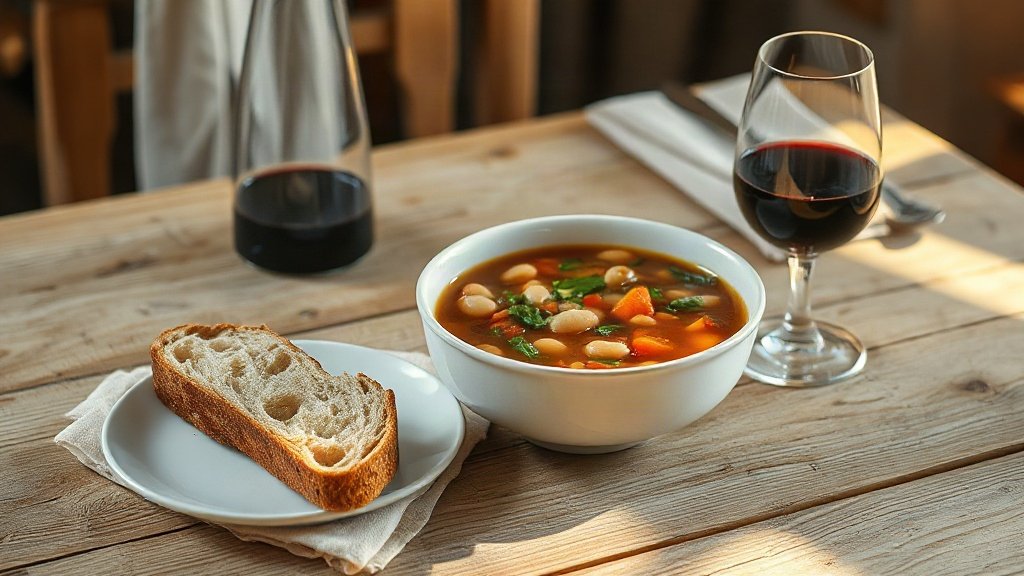
Illustration: AI-generated image
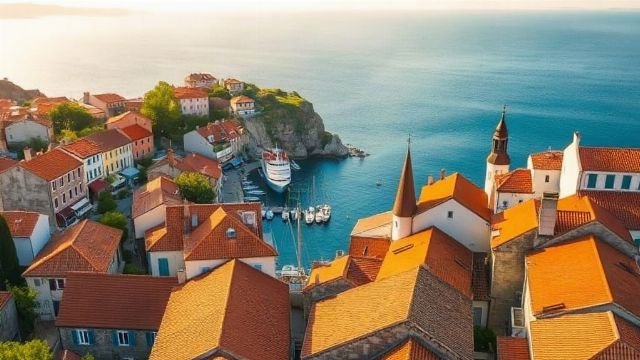
In the rolling hills and coastal towns of Istria, one dish appears on tables throughout the year, from humble family kitchens to festive gatherings: maneštra. This thick, wholesome soup is a cornerstone of Istrian home cooking, a symbol of the region's agricultural heritage and its love of simple, honest food.
What is maneštra?
Maneštra is a traditional Istrian soup made with a base of beans, potatoes, and a variety of seasonal vegetables, often enriched with a piece of cured meat or a bone for flavour. Unlike many Italian minestrone versions, Istrian maneštra is typically denser, with a higher proportion of beans and root vegetables, resulting in a meal-in-a-bowl consistency. It is a dish of peasant origin, designed to make the most of whatever the garden and pantry offered, stretching ingredients to feed large families.
Key ingredients and variations
The essential ingredient is dried beans—usually borlotti (cranberry beans) or cannellini—soaked overnight and slowly simmered until tender. Potatoes, carrots, celery, onion, and garlic form the vegetable base, while a piece of dried pork, such as panceta, ombolo, or a smoked ham hock, adds depth. In some coastal areas, a piece of salted pork or even a little prosciutto bone is used.
Seasonal additions vary: in spring, wild asparagus or fresh fava beans might appear; in autumn, sweet corn or cabbage. A spoonful of tomato concentrate or a few fresh tomatoes add colour and acidity, while a handful of parsley and a drizzle of olive oil finish the dish. Modern vegetarian versions simply omit the meat, relying on a good vegetable stock or a piece of hard cheese rind for richness.
How it is enjoyed
Maneštra is traditionally served as a main course, often accompanied by crusty bread and a glass of local red wine, such as Teran or Refošk. It is a staple for marenda, the mid-morning meal, especially for farmers and labourers who need sustained energy. In Istrian homes, a large pot of maneštra is often made on Monday to use up Sunday's leftovers, then reheated and enjoyed over the following days, with the flavour improving as it sits.
During the colder months, it is a comforting winter warmer; in summer, it may be served lukewarm or at room temperature. Every family has its own recipe, and arguments over the "right" proportion of beans to vegetables are part of local culinary pride.
Making maneštra at home
To capture the essence of Istrian maneštra, start by soaking beans overnight. In a large pot, sauté chopped onion, carrot, and celery in olive oil until soft. Add the soaked beans, diced potatoes, and enough water or stock to cover. Tuck in a piece of cured meat if desired, then simmer gently for at least an hour, until beans are tender. Season with salt, pepper, and a little tomato concentrate; add leafy greens like Swiss chard or cabbage in the last 15 minutes. Finish with chopped parsley and a generous glug of extra-virgin olive oil. Serve with dense country bread for a truly Istrian experience.