Mlinci: A Guide to Croatia's Traditional Baked Noodles
Mlinci are thin, dried pasta sheets that are boiled and then baked in meat juices, making them an essential part of a traditional Croatian roast dinner.
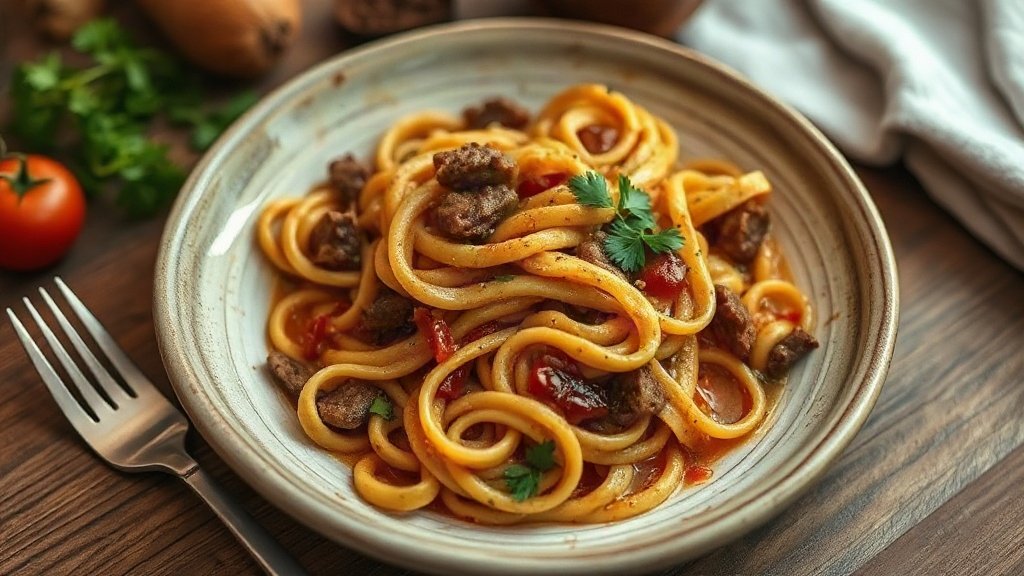
Illustration: AI-generated image
Every Croatian roast dinner needs a worthy sidekick, and for many, that role belongs to mlinci. These golden, slightly chewy noodles are not your average pasta. Made from simple dough that is dried, broken into pieces, boiled, and then baked in the rich juices of roasted meat, mlinci soak up flavour like nothing else. They are particularly associated with the northern region of Zagorje, but you will find them on tables across the country, especially during holidays and family gatherings.
What are mlinci?
Mlinci are a traditional Croatian side dish made from thin sheets of unleavened dough. The dough, typically a mix of flour, water, and sometimes eggs, is rolled out very thinly, then baked on a hot griddle or in the oven until dry and lightly golden. The crisp sheets are then broken into palm-sized pieces. When it is time to serve, the pieces are quickly scalded in salted boiling water, drained, and then tossed with the fat and juices from a roast, often turkey, duck, or pork, and returned to the oven to absorb the flavour.
The name 'mlinci' comes from the word 'mlin', meaning mill, referencing the flat, millstone-like appearance of the dried dough sheets. The dish has deep roots in the rural cuisine of Hrvatsko Zagorje, where poultry farming and home baking were common. Mlinci were a practical way to use simple ingredients and stretch a meal, turning a modest amount of meat into a feast for the whole family.
How mlinci are made
Traditionally, making mlinci was a household task that marked the start of a festive meal. The dough is uncomplicated—flour, water, and a pinch of salt, with eggs sometimes added for richness. The key is rolling it out as thinly as possible. In the past, this was done with a long wooden rolling pin on a large table, often requiring great skill to achieve a paper-thin sheet without tearing.
Once rolled, the dough is baked quickly on a dry griddle or in a wood-fired oven until it just begins to colour. This step dries the dough and gives mlinci their characteristic toasty flavour. The dried sheets can be stored for months, making them an excellent pantry staple. Before serving, the sheets are broken into irregular pieces, briefly plunged into boiling water—just enough to soften them—then drained well. The final and most important step is mixing them with the hot drippings from the roasting pan, allowing the noodles to absorb the savoury juices, and baking everything together for a few minutes until the edges are slightly crisp.
How to serve mlinci
Mlinci are almost never eaten on their own; they are a companion to roast meat. The classic pairing is with turkey, especially for Christmas or other big celebrations. The rich, fatty juices from the bird coat each noodle, creating a comforting and deeply satisfying dish. Duck, goose, and pork are also popular choices. The noodles take on the flavour of whatever they are cooked with, so a good roast is essential.
When served, mlinci should be tender but not mushy, with a slight bite. They should glisten with meat juices and be speckled with bits of crispy skin or herbs. A generous portion is often placed alongside the carved meat, with extra juices spooned over the top.
Where to try mlinci
If you find yourself in Zagorje, you will have no trouble locating mlinci on restaurant menus, especially those offering traditional 'domaća' (homemade) cuisine. They are a staple at family-run konobas and agrotourism farms across northern Croatia. In Zagreb and other cities, mlinci often appear as a side dish during the winter months, particularly around Christmas markets and festive menus. For a truly authentic experience, try them at a Sunday family lunch or a local celebration, where they are likely to be made the old-fashioned way.
Whether you encounter them at a rustic table in the hills or a bustling city restaurant, mlinci offer a taste of Croatian home cooking at its most comforting.