Pisanice: A Guide to Croatia's Traditional Easter Egg Art
Discover the centuries-old Croatian craft of decorating Easter eggs with wax, dye and delicate patterns.
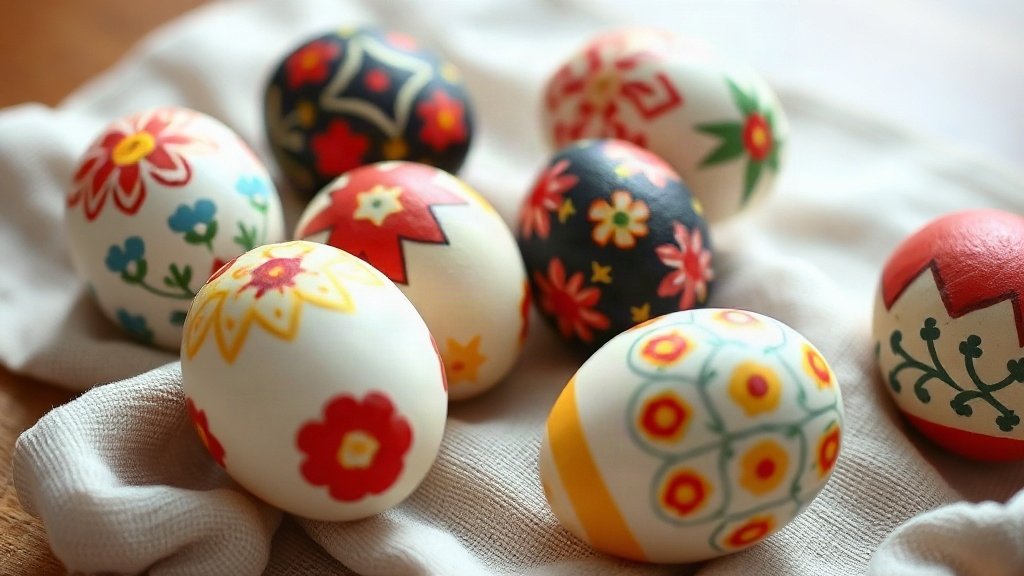
Illustration: AI-generated image
Across Croatia, the arrival of spring brings a burst of colour in an unexpected place: the humble egg. Known as pisanice (from the word pisati, meaning "to write"), these decorated Easter eggs are a cherished folk art with roots stretching back centuries. More than just seasonal ornaments, they carry wishes for health, fertility and good fortune.
The Art of Wax Resist
The most widespread technique for creating pisanice is wax resist, similar to batik. A stylus called a pisaljka is dipped in hot beeswax, then used to draw intricate patterns on the eggshell. The egg is then submerged in dye—traditionally made from onion skins, beetroot, walnut shells or other natural materials. After dyeing, the wax is melted off to reveal the design in the original shell colour beneath.
Some regions use a simpler method: scratching designs into dyed eggs with a sharp tool, known as grebanje. This produces delicate, lace-like patterns. Others apply coloured wax directly without additional dyeing.
Regional Styles and Motifs
Like much of Croatian folk art, pisanice vary greatly from region to region. In Slavonia, bold geometric motifs in red and black dominate, often arranged in bands. Posavina eggs feature more naturalistic elements—leaves, flowers and vines. In Dubrovnik and the surrounding coast, you'll find intricate line work and even miniature scenes or inscriptions, sometimes including the year or initials.
Common motifs include the rosetta (a star-like flower), wheat ears symbolising a good harvest, crosses and sun symbols representing light and life. Each pattern carries meaning, passed down through generations.
Symbolism and Tradition
The egg itself is an ancient symbol of rebirth and renewal, making it a natural fit for Easter. In Croatian tradition, pisanice are often given as gifts to family, friends and godchildren. They were also exchanged between young people as tokens of affection—an elaborately decorated egg could be a sign of love.
In some villages, the first egg dyed on Good Friday was kept in the home all year as protection against misfortune. Eggshells were sometimes scattered in fields to encourage fertility.
Making Your Own Pisanice
Creating your own pisanice is a rewarding way to connect with Croatian heritage. Start with clean, raw or blown eggs. For wax resist, you'll need beeswax, a stylus (or a pin stuck into a pencil), a candle or small heat source, and natural or commercial dyes.
- Melt a little beeswax, then use the stylus to draw your design on the egg.
- Dip the egg in dye, starting with lighter colours and moving to darker ones if using multiple baths.
- Between dips, you can add more wax to preserve areas of colour.
- Once finished, gently warm the egg to melt off the wax and wipe clean with a soft cloth.
If you prefer the scratching method, simply dye the egg a solid colour, then use a fine tool to scrape away patterns.
Where to See Pisanice Today
The craft is alive and well across Croatia. Ethnographic museums in Zagreb, Split and other cities hold collections of historic pisanice. Around Easter, many towns host workshops and exhibitions where you can watch artisans at work or try the technique yourself. Local markets are also a great place to find pisanice made by skilled hands—each one a miniature canvas of tradition.