Plavac Mali: A Guide to Croatia's Signature Red Wine
Plavac Mali is the most celebrated red grape variety in Croatia, producing bold, sun-soaked wines along the Dalmatian coast. Discover its story, where it thrives, and how to enjoy it.
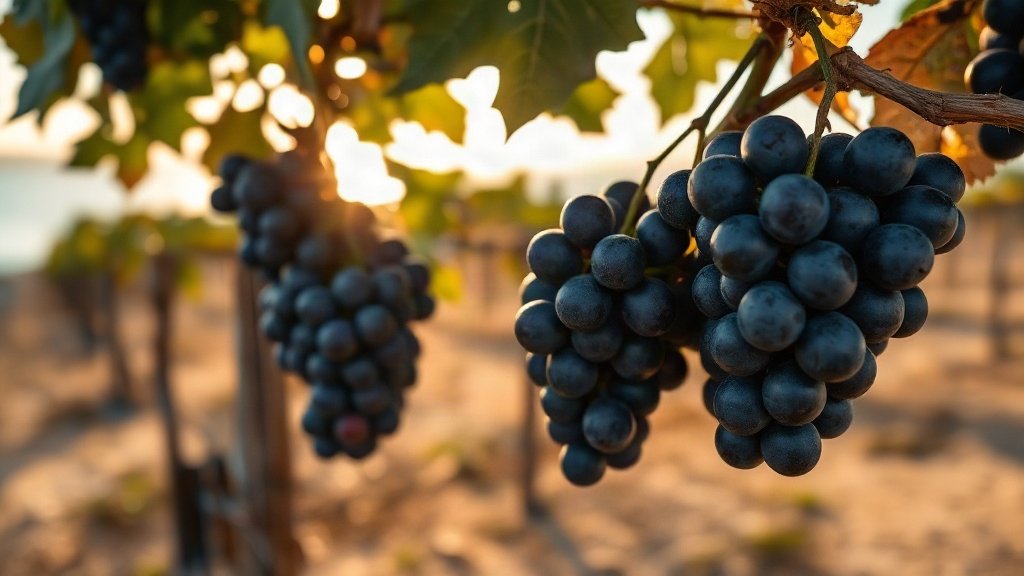
Illustration: AI-generated image
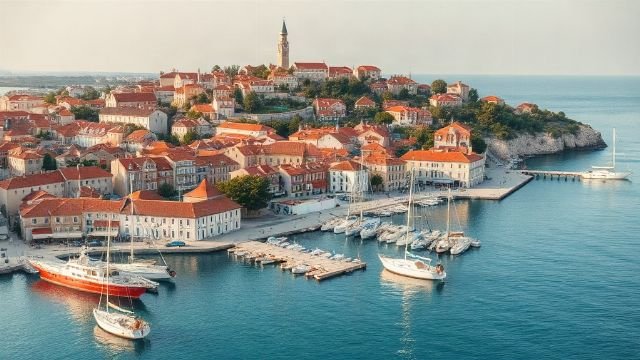
When most people think of Croatian wine, the first red that comes to mind is Plavac Mali. This robust grape is the backbone of Dalmatia's winemaking tradition, producing deep-coloured, full-bodied wines that reflect the region's rugged limestone slopes and relentless sunshine. For visitors exploring the Adriatic coast, tasting Plavac Mali is as essential as diving into the sea or wandering through a medieval old town.
Origins and lineage
Plavac Mali (literally "small blue" for its small, dark berries) is a native Croatian variety, first mentioned in historical documents centuries ago. Modern DNA research has confirmed it is a cross between two ancient local grapes: Crljenak Kaštelanski (known in America as Zinfandel) and Dobričić. This heritage gives Plavac Mali a distinctive character that sets it apart from many international varieties.
Where it grows
The grape thrives along the Dalmatian coast and islands, particularly on the Pelješac peninsula, the island of Hvar, and the slopes of Brač and Korčula. The best vineyards are often planted on steep, south-facing terraces with poor, stony soils that force the vines to struggle, concentrating flavours in the small, thick-skinned grapes. Two of the most prestigious vineyard zones are Dingač and Postup on Pelješac, which have protected appellation status.
What to expect in the glass
Plavac Mali wines are typically deep ruby to almost black in colour. Expect pronounced aromas of dark cherry, blackberry, plum, dried figs, and Mediterranean herbs, often with notes of smoke and spice from oak ageing. On the palate, they are full-bodied with firm tannins and relatively high alcohol, often exceeding 14%. Younger wines can be a bit rustic and tannic, while aged examples develop complex savoury and earthy notes.
Food pairings
The wine's boldness makes it a natural match for Dalmatian cuisine. Classic pairings include:
- Peka: slow-cooked meat or octopus under a bell-shaped lid.
- Grilled lamb or beef: especially lamb roasted on a spit.
- Hard sheep's cheese: like Paški sir from the island of Pag.
- Prosciutto and other cured meats: the saltiness balances the tannins.
- Rich stews: such as pašticada or brudet.
How to enjoy it
Serve Plavac Mali at slightly below room temperature, around 16–18°C, and consider decanting younger bottles to soften the tannins. If you are visiting Dalmatia, look for wines labelled with the Dingač or Postup appellations for top-quality examples, or ask for a local producer's Plavac Mali at a konoba (traditional tavern). While some bottles can be cellared for a decade or more, even young Plavac Mali pairs beautifully with a leisurely seaside meal.
Whether you are a seasoned wine lover or simply curious about Croatian flavours, exploring Plavac Mali offers a delicious window into the sun-drenched soul of Dalmatia.