Pogača: A Guide to Croatia's Beloved Flatbread
From Dalmatian coast to Slavonian plains, pogača is the humble flatbread that anchors every Croatian table. Here's what makes it special and how to enjoy it like a local.
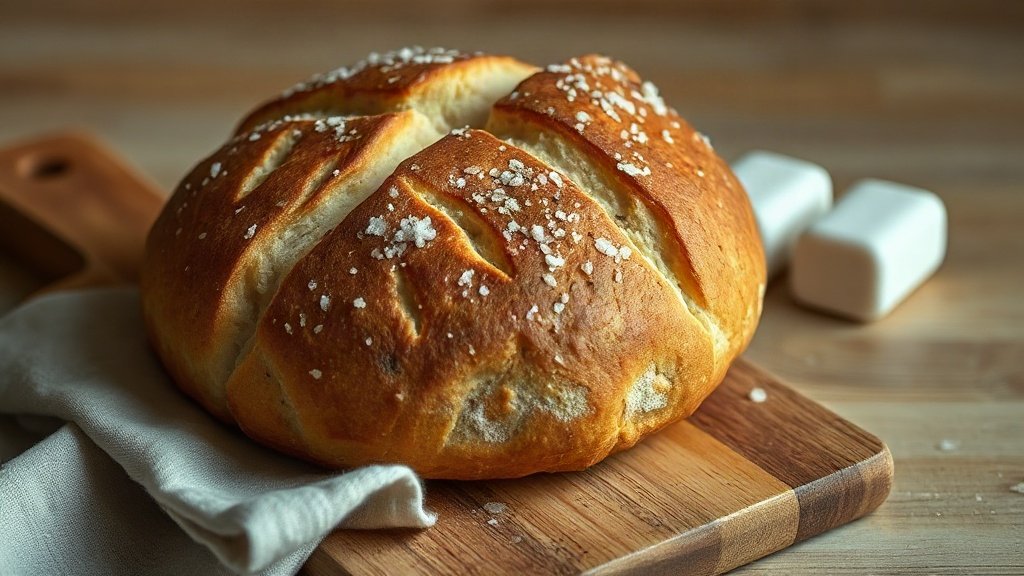
Illustration: AI-generated image
Walk into any Croatian bakery in the early morning and you'll likely spot it: a golden, round loaf, often scored with a cross or dotted with coarse salt. That's pogača, the country's beloved flatbread. Simple, honest and endlessly adaptable, pogača has been a staple on Croatian tables for centuries, from the rocky Dalmatian coast to the fertile plains of Slavonia. It's not flashy, but it's essential – the kind of bread that quietly holds a meal together.
A Bread with Many Faces
Pogača is not one single recipe but a family of breads that changes character as you travel across Croatia. In Dalmatia, it's typically round, airy and often brushed with olive oil, with a crisp crust and soft crumb. Some versions are topped with rosemary or olives, while others are simply sprinkled with flaky sea salt. Inland, especially in Slavonia and Baranja, pogača can be enriched with lard and cracklings (čvarci), resulting in a rich, savoury loaf that's almost a meal in itself. Istria has its own twist, sometimes adding mashed potatoes for extra tenderness. There are even sweet variations, made with milk and sugar, reserved for holidays and family gatherings.
Simple Ingredients, Honest Flavour
The beauty of pogača lies in its simplicity. Most recipes call for just flour, water, yeast, salt and sometimes a little olive oil or lard. The dough is kneaded, left to rise, then shaped into a flat round and baked until golden. The characteristic scoring on top isn't just for looks; it helps the bread bake evenly and gives it that rustic, handmade appearance. Because it's made with basic ingredients, pogača is incredibly versatile and pairs well with almost anything.
How to Eat Pogača Like a Local
Pogača is the ultimate side bread. Serve it warm alongside a bowl of rich stew, like pašticada or čobanac, to soak up every last drop. Tear off a piece and use it to scoop up creamy ajvar or fresh cow's cheese. It's also the traditional base for a simple breakfast: a slice topped with pršut, cheese and a few olives, enjoyed with a strong coffee. In Dalmatia, pogača is often brought to the table at family lunches, where it's passed around and torn by hand – cutting it with a knife is considered a bit fussy. During Easter and other celebrations, a special round pogača, sometimes braided or decorated, takes pride of place.
Bringing the Tradition Home
If you're in Croatia, you'll find pogača in virtually every bakery and at green markets, often still warm from the oven. It's best eaten the same day, though leftover pogača can be revived with a quick toast or used to make delicious breadcrumbs. For home bakers, pogača is a forgiving bread: a simple dough, a short rise, and a hot oven are all you need. Experiment with toppings – sea salt, herbs, olives, or even a sprinkle of paprika – to make it your own. Once you start baking pogača, you'll wonder how you ever managed without this Croatian kitchen essential.