Prizemlje or Prvi Kat? A Simple Guide to Croatian Floor Numbering
Confused about whether you live on the ground floor or the first floor in Croatia? Here's how Croatian buildings label floors, and what to expect when you step out of the lift.
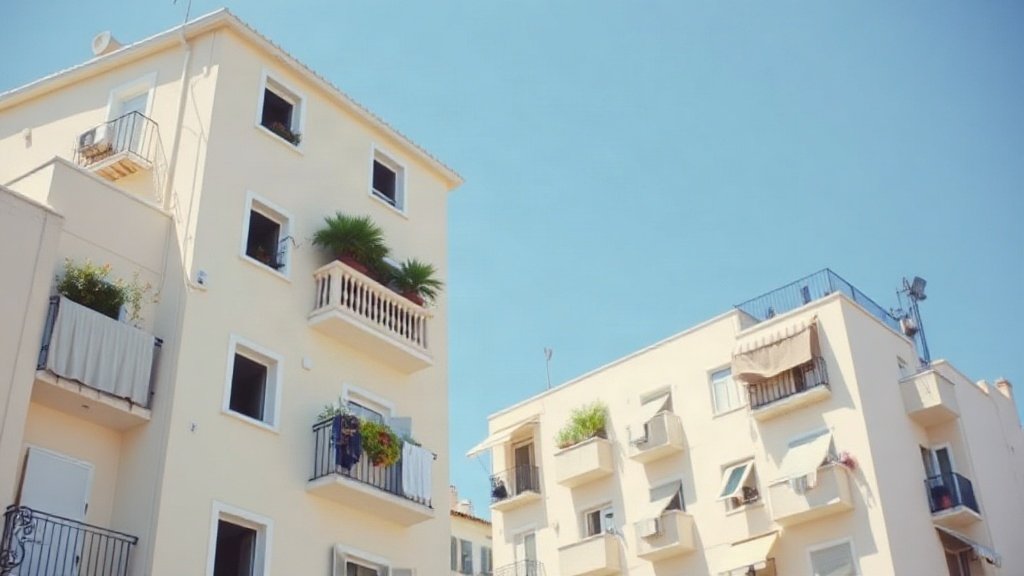
Illustration: AI-generated image
If you have ever stood in a Croatian lift wondering why the button marked "1" does not match the floor you thought you were on, you are not alone. Floor numbering in Croatia follows a different logic than in the UK, the US and several other countries. Once you understand the system, reading addresses, giving directions and finding flats becomes much simpler.
Ground floor vs first floor: the key difference
In Croatia, the floor at street level is called prizemlje (literally "at ground level"). It is not counted as a floor in the numbering. The floor above it is prvi kat – the first floor. So what a British person would call the first floor is the ground floor in Croatia, and what the British call the second floor is the first floor in Croatia.
This means that when a Croatian address says "2. kat" (second floor), the flat is actually on the third level from the ground: ground, first, then second. The shift is simple once you get used to it, but it can cause confusion with visitors, delivery drivers and even estate agents.
Common floor labels in Croatian buildings
Here is a quick guide to the terms you are likely to see on lift buttons, door plates and in rental listings:
- Podrum – basement, usually below ground level.
- Suteren – a semi-basement, partially below and partially above ground; often has small windows near the ceiling.
- Prizemlje – ground floor, street level; may be marked as "P", "PR", "0" or "prizemlje" in lifts.
- Mezanin – a mezzanine, a partial floor between ground and first, found mainly in older or grander buildings.
- Prvi kat, drugi kat, treći kat – first, second and third floors; each number counts the floors above ground.
- Potkrovlje – attic or top-floor space, often converted into a flat with sloping ceilings.
In many residential blocks built after the 1960s, lifts show numbers only for floors above ground: 0 for prizemlje, then 1, 2, 3 and so on. But older buildings may use "P" or "PR" for ground and then "I", "II" or "1", "2". If you are unsure, look for the label beside the lift door or ask a neighbour.
Why it matters for everyday life
Misreading a floor number can lead to knocking on the wrong door, waiting on the wrong landing, or giving incorrect directions to a friend or a plumber. When you book a flat, check whether the listing says "prizemlje" or "1. kat" – the difference is one whole staircase. If you have mobility needs, remember that prizemlje is the only floor at street level; "prvi kat" already requires stairs or a lift.
For anyone renting or buying in Croatia, understanding these terms also helps when you read the building's kućni red (house rules) or speak to the predstavnik stanara (building representative). The logic may feel upside down at first, but after a few weeks you will press the right button without thinking.