Sarma: A Guide to Croatia's Hearty Stuffed Cabbage Rolls
Discover the comforting flavours of sarma, the beloved Balkan dish of cabbage leaves wrapped around a savoury meat and rice filling, simmered slowly to perfection.
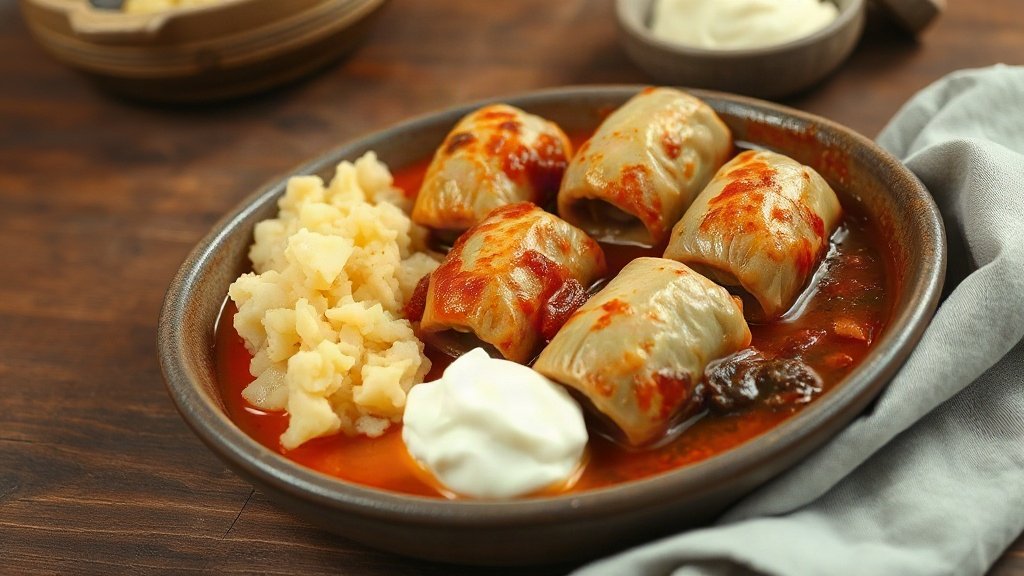
Illustration: AI-generated image
When the weather turns cold and the days grow short, many Croatian households turn to a dish that embodies comfort and tradition: sarma. These hearty rolls of pickled cabbage leaves stuffed with a savoury mixture of minced meat and rice have been warming tables across the country for generations.
What is Sarma?
Sarma is a dish of cabbage leaves wrapped around a filling, typically made from minced pork and beef mixed with rice, onions, and spices such as sweet paprika, black pepper, and sometimes garlic. The rolls are packed tightly into a pot and cooked slowly in a flavourful liquid, often with smoked meat or sausage added for extra depth. The result is tender, aromatic parcels that soak up the rich, tangy sauce from the fermented cabbage.
A Dish with Deep Roots
While sarma is enjoyed across the Balkans and beyond, it holds a special place in Croatian cuisine, particularly in the continental regions of Slavonia, Baranja, and central Croatia. The name comes from the Turkish word "sarmak," meaning "to wrap," reflecting centuries of culinary exchange under Ottoman influence. Over time, local cooks adapted the dish to suit available ingredients and tastes.
In Croatia, sarma is most commonly associated with winter. That's when families prepare kiseli kupus (sauerkraut) by fermenting whole cabbage heads in barrels. The pickled leaves give the dish its characteristic tang and help preserve the rolls during long, slow cooking. In warmer months, some cooks use fresh cabbage leaves, which produce a milder flavour.
How Sarma is Made
Making sarma is a labour of love, often reserved for weekends and holidays. The process begins with separating and blanching the cabbage leaves to make them pliable. The filling is prepared by combining minced meat (usually a mix of pork and beef), partially cooked rice, finely chopped onion, and seasonings. A spoonful of the mixture is placed on each leaf, which is then folded and rolled into a neat parcel.
The rolls are layered in a large pot, often with smoked ribs, bacon, or dried meat between the layers. Water or stock is added, and the pot is left to simmer for hours, allowing the flavours to meld. Some cooks add a roux or tomato paste near the end to thicken the sauce.
How to Enjoy Sarma
Sarma is a meal in itself, but it is typically served with a side of creamy mashed potatoes or fresh bread to mop up the sauce. A dollop of sour cream on top adds richness and balances the sourness of the cabbage. Many locals insist that sarma tastes even better the next day, after the flavours have had time to deepen.
While sarma is a staple of family dinners, it also appears on menus at traditional restaurants, known as konobas or gostionicas, particularly in continental Croatia. During the winter months, it is a common feature at Christmas markets and festive gatherings. If you're visiting Croatia and want to try authentic sarma, look for it on menus in Zagreb, Osijek, or any inland town where home-style cooking is celebrated.
Whether you enjoy it at a family table or in a cosy restaurant, sarma offers a delicious taste of Croatian heritage and the warmth of its culinary traditions.