Soparnik: A Guide to Croatia's Traditional Chard Pie from Poljica
Discover soparnik, a rustic chard-filled pie from the Poljica region near Split. Learn about its history, how it's made, and why it holds EU protected status.
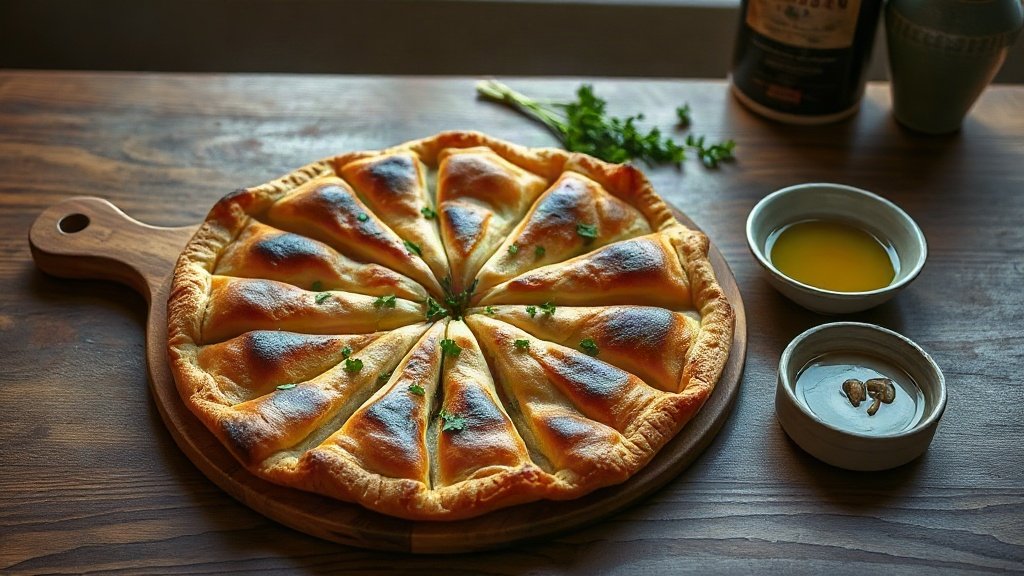
Illustration: AI-generated image
Among Croatia's many culinary treasures, soparnik stands out as a humble yet deeply cherished dish from the Poljica region, nestled between Split and Omiš. This simple pie, filled with Swiss chard and seasoned with garlic and olive oil, has been made for centuries and is now protected at the European level. For anyone wanting to taste a true piece of Dalmatian heritage, soparnik is a must.
Origins and cultural significance
Soparnik has its roots in the rural communities of Poljica, an area known historically as the Republic of Poljica, which maintained a degree of autonomy for centuries. The dish was traditionally prepared for special occasions and religious feasts, as a way to use abundant greens when meat was scarce. Its importance was officially recognised in 2011, when soparnik received Protected Designation of Origin (PDO) status from the European Union, confirming its unique link to the region and traditional production methods.
Ingredients and preparation
The classic soparnik consists of two layers of thin, unleavened dough encasing a filling of Swiss chard (known locally as blitva), mixed with spring onions, parsley, and garlic. Olive oil is essential, both in the dough and drizzled over the finished pie. After the filling is spread between the dough layers, the edges are sealed and the top is often pricked with a fork or decorated with a simple pattern, such as a cross or sun. The pie is then baked traditionally in a wood-fired oven or under a bell-like lid called a peka, giving it a slightly charred, smoky flavour.
How to enjoy soparnik
Soparnik is served on a round wooden board, cut into diamond or rectangular pieces, and typically shared among family and friends. Just before eating, it is brushed with a mixture of olive oil and crushed garlic, adding a pungent, savoury finish. It can be enjoyed warm or at room temperature, making it a versatile dish for any season. In the Poljica area, especially around the village of Dugi Rat, soparnik is celebrated with annual festivals that attract both locals and visitors, though the dish itself is available year-round in many authentic konobas along the Dalmatian coast.
A taste of tradition
What makes soparnik special is its simplicity and connection to the land. With just a handful of local ingredients, it reflects the resourcefulness of Dalmatian peasants who transformed humble greens into something worthy of celebration. For travellers seeking an authentic cultural experience, learning about and tasting soparnik offers a delicious window into Croatia's living heritage.