Suhozid: A Guide to Croatia's Dry Stone Wall Tradition
Discover the ancient craft of dry stone walling, a UNESCO-recognised tradition that has shaped Croatia's landscape for centuries.
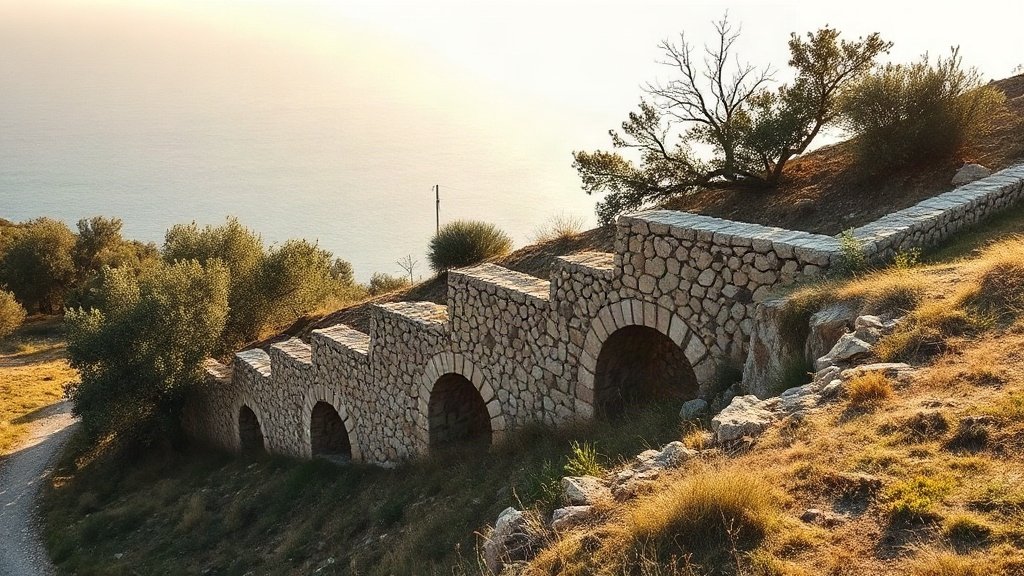
Illustration: AI-generated image
Across Croatia's rocky coastal hills and islands, a quiet but mighty tradition holds the landscape together—literally. Dry stone walls, known locally as suhozid, crisscross fields, terraces and hillsides, built without a drop of mortar. This ancient craft, recognised by UNESCO as intangible cultural heritage, is a testament to human ingenuity and a deep bond with the land.
What is Suhozid?
Suhozid means "dry wall" in Croatian. The technique involves carefully selecting and stacking stones so that they interlock and create a stable, free-standing structure. No cement, clay or other binding material is used. The craft requires a keen eye for stone shapes, patience and physical strength. It has been practised for millennia, with roots tracing back to prehistoric times when early farmers cleared rocky terrain and used the stones to mark boundaries and build shelters.
These walls are not just functional—they are an art form. A well-built suhozid can last for centuries, quietly enduring weather, earthquakes and the passage of time. The walls also create microhabitats for plants and animals, supporting biodiversity in often harsh environments.
A Landscape Shaped by Stone
In Croatia, suhozid is most associated with the coastal and island regions, particularly Istria, Dalmatia and the karst areas. Here, centuries of land clearance for agriculture produced countless kilometres of walls. They define property boundaries, prevent soil erosion, and create flat terraces on steep slopes for growing olives, vines and other crops.
The tradition is deeply woven into local identity. In many communities, knowledge of stone walling was passed down through families, with master builders respected for their skill. Even today, the walls remain vital for maintaining traditional agricultural landscapes and are celebrated in local customs and festivals.
Where to See Suhozid in Croatia
You don't need to travel far to encounter suhozid—it is part of the everyday scenery in many coastal areas. However, some places offer particularly striking examples:
- Istria: The interior hills around Motovun and Grožnjan are crisscrossed with dry stone walls, often lined with cypress trees and vineyards.
- Dalmatian islands: Islands like Brač, Hvar and Korčula feature extensive networks of stone walls and terraced fields, some dating back to ancient Greek and Roman times.
- Krka National Park: The surrounding karst landscape includes traditional dry stone structures, offering a natural and cultural experience.
- Velebit mountain: In the highlands, shepherds built dry stone shelters and enclosures, showcasing the craft's versatility.
Practical Tips for Appreciating Suhozid
When exploring Croatia's countryside, take a moment to observe these walls up close. Notice how stones of different sizes and shapes fit together like a puzzle. If you're interested in learning more, consider visiting local ethnographic museums or attending a cultural event that showcases traditional crafts. Always respect the walls—do not climb on them or remove stones, as they are living heritage.
Suhozid is more than just a building technique; it is a symbol of resilience and harmony with nature. Next time you see a dry stone wall in Croatia, you'll know it carries centuries of human history in every stone.