The Bećarac: A Guide to Slavonia's Witty Folk Song Tradition
Bećarac is a traditional form of humorous folk song from eastern Croatia, known for its improvised, often cheeky couplets. Recognised by UNESCO, it has been a part of Slavonian gatherings for generations.
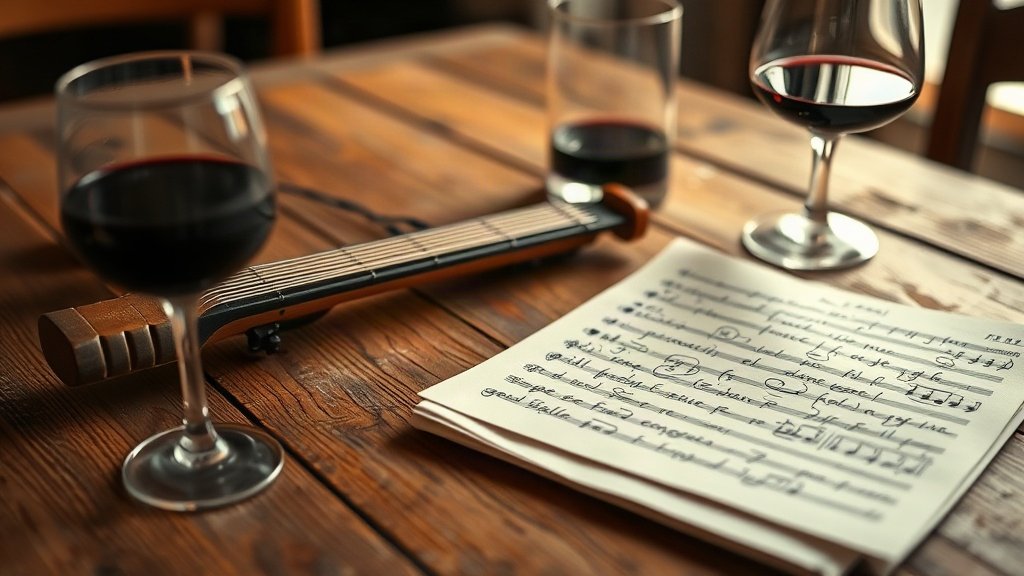
Illustration: AI-generated image
Anyone who has spent an evening in a Slavonian village will likely have heard it: a burst of song, a teasing couplet, and a round of laughter. That is the bećarac, a form of traditional folk music that has been making people smile in eastern Croatia for generations.
What exactly is the bećarac?
The bećarac is a type of humorous folk song, traditionally performed by men, though today women sing it as well. Its name comes from the word “bećar”, which in the Slavonian dialect means a carefree, jovial bachelor or a man who enjoys life, wine and song. The songs are short, usually consisting of two lines, and they are often improvised on the spot to comment on the people present, everyday life, love, or anything that strikes the singer’s fancy.
Musically, the bećarac is simple and repetitive, usually in a lively 2/4 rhythm. It is often accompanied by the tamburica, a family of string instruments common to the region, but it can also be sung without any instrumental backing. The melody is less important than the lyrics, which are the real heart of the tradition.
A tradition of wit and wordplay
One of the most distinctive features of the bećarac is its role in verbal duelling. At gatherings, singers may exchange bećarci back and forth, each trying to outwit the other with cleverer, funnier or more daring lines. The lyrics can be full of double entendres and gentle mockery, but the tone remains good-natured; the goal is to entertain, not to offend.
This playful banter has deep roots in rural Slavonian culture, where quick wit and a sharp tongue were as valued as physical strength. The bećarac allowed people to comment on social situations, tease friends, and even express mild criticism in a way that was acceptable because it was wrapped in humour and music.
Recognised by UNESCO
In 2011, UNESCO inscribed the bećarac on the Representative List of the Intangible Cultural Heritage of Humanity, recognising it as an important part of Croatia’s living heritage. The listing highlights the tradition’s role in community bonding and its ability to adapt to modern times while keeping its core character.
A living tradition today
Today, the bećarac remains a vibrant part of life in the regions of Slavonia, Baranja and Srijem. It is a common feature at weddings, baptisms, village festivals, and informal gatherings in homes and taverns. Folklore ensembles throughout the country also perform it, helping to pass the tradition on to younger generations.
Whether you understand the words or not, the bećarac’s playful spirit is infectious. For visitors to eastern Croatia, listening to a bećarac session offers a direct window into the local sense of humour and hospitality – a reminder that sometimes the best stories are sung, not told.