#folk music
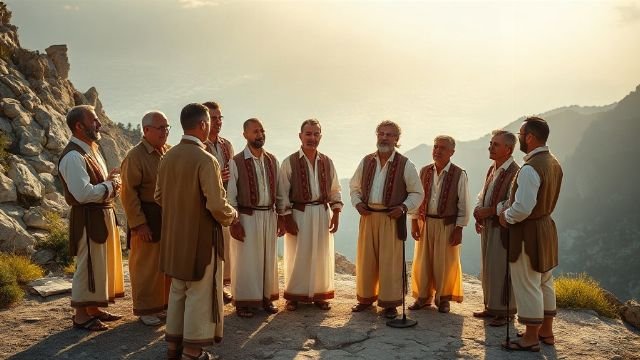
A Guide to Ganga: Croatia's Raw Polyphonic Singing from the Dalmatian Hinterland
Ganga is a powerful, dissonant style of group singing rooted in the rocky villages of Dalmatia's hinterland and western Herzegovina. Here's what makes it unique and where you can still hear it.
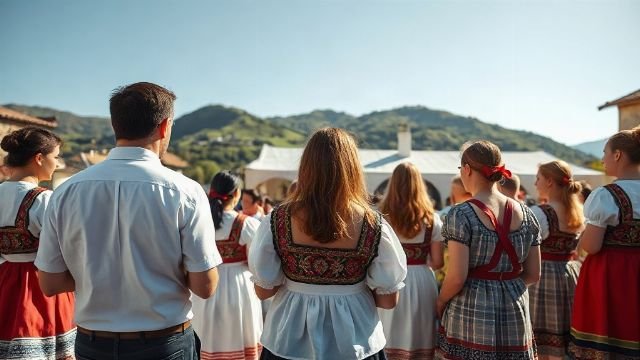
Ojkanje: A Guide to Croatia's Unique Throat Singing Tradition
Discover the haunting vocal style from Croatia's Dalmatian hinterland, recognised by UNESCO as intangible cultural heritage in need of urgent safeguarding.
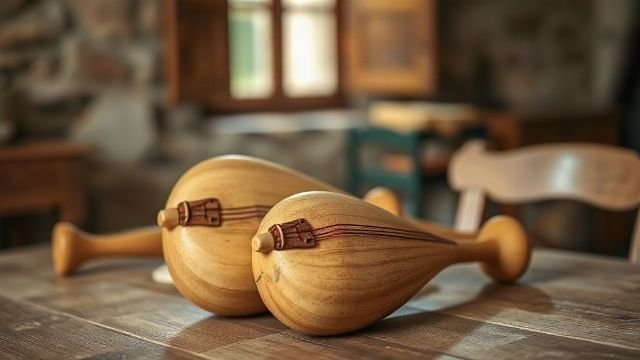
Sopile: A Guide to Istria's Traditional Double-Reed Instrument
Discover the sopile, Istria's ancient double-reed instrument played in pairs, and learn where to hear its distinctive sound at local festivals and gatherings.
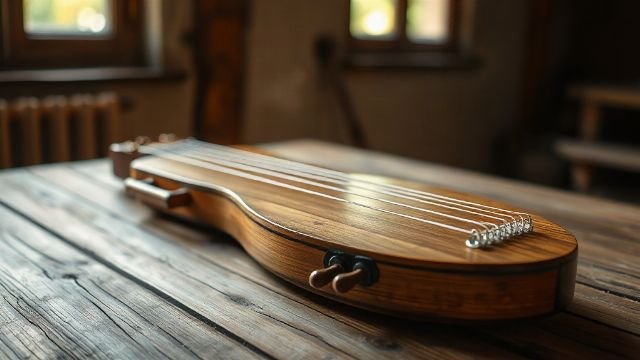
A Guide to Bećarac: Croatia's Playful Folk Song Tradition
Discover the lively and witty folk songs of Slavonia that have been entertaining Croats for centuries and are now UNESCO-listed.
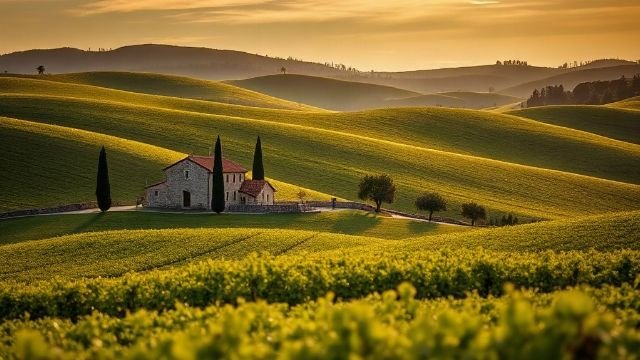
A Guide to the Istrian Scale: Croatia's Distinctive Two-Part Singing
Discover the unique two-part singing tradition of Istria, known for its narrow intervals and nasal tone, recognised by UNESCO as intangible cultural heritage.
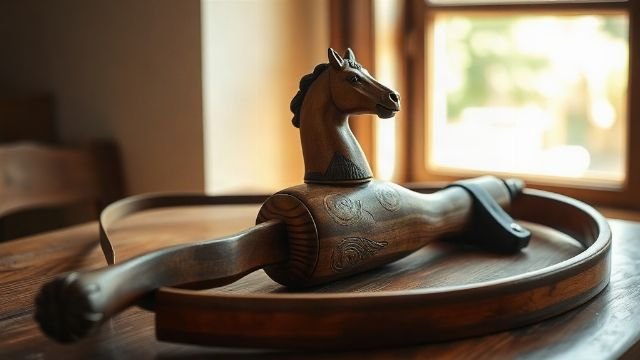
The Gusle: A Guide to Croatia's Epic Single-Stringed Instrument
Discover the gusle, a bowed instrument that has carried the epic poetry of the Dinaric Alps for centuries, and learn how it remains part of Croatia's living heritage.
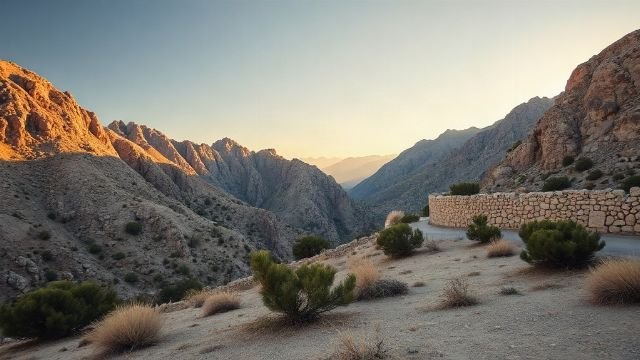
Ojkanje: Understanding Croatia's Ancient Voice-Breaking Singing Style
Discover Ojkanje, a centuries-old two-part singing tradition from Croatia's Dinaric hinterland, recognised by UNESCO for its unique vocal technique and cultural significance.
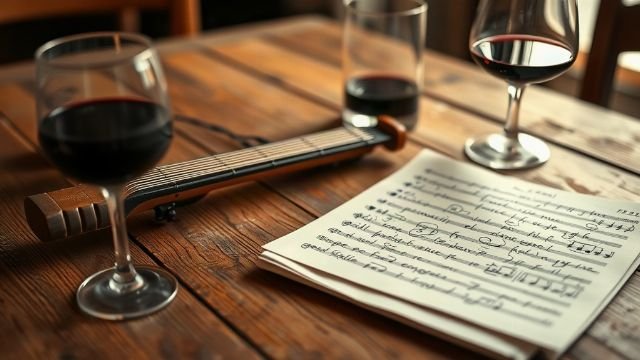
The Bećarac: A Guide to Slavonia's Witty Folk Song Tradition
Bećarac is a traditional form of humorous folk song from eastern Croatia, known for its improvised, often cheeky couplets. Recognised by UNESCO, it has been a part of Slavonian gatherings for generations.
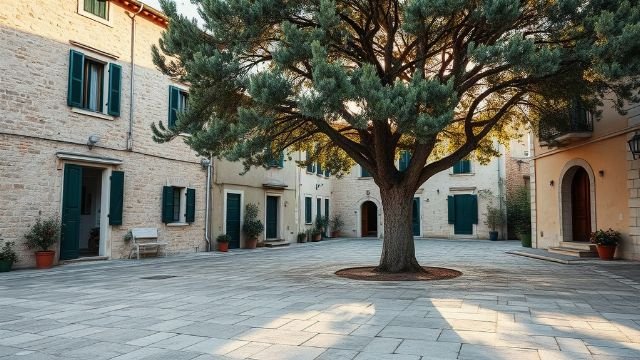
Istrian Folk Music: Understanding the Sound of the Sopele and the Scale
Istria has its own musical language, built on a distinctive scale and the penetrating tones of the sopele. Here is how to recognise it and where you might hear it.