Istrian Folk Music: Understanding the Sound of the Sopele and the Scale
Istria has its own musical language, built on a distinctive scale and the penetrating tones of the sopele. Here is how to recognise it and where you might hear it.
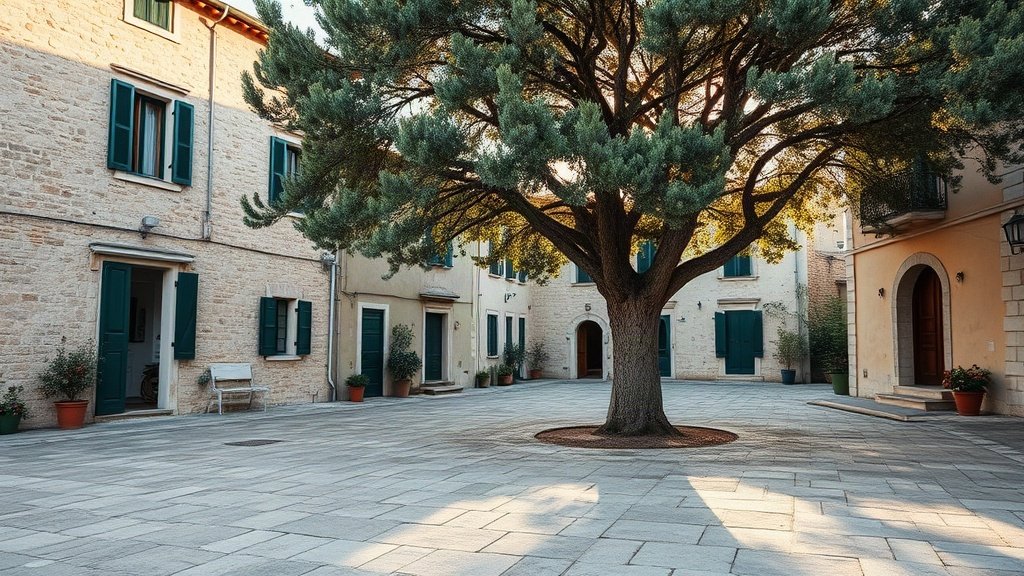
Illustration: AI-generated image
Spend enough time in Istria and you will eventually hear something that sounds slightly unfamiliar to the ear: a reedy, nasal duet of pipes, with melodies that seem to bend between the notes you expect. That is traditional Istrian music, and it is one of the peninsula's most distinctive cultural signatures.
The Istrian scale
At the heart of the style is what musicologists often call the Istrian scale. It uses a narrower set of intervals than the major and minor scales most of us grew up with, which gives melodies a slightly tense, haunting quality. Singers often move in close parallel intervals, producing a dense, rough-edged harmony.
It is not a quirk of one village. The scale is associated with Istria and the nearby Kvarner region, and it has long been studied as part of the wider musical heritage of the northern Adriatic.
Sopele: the sound you notice first
The sopele (sometimes sopile) is a woodwind instrument with a double reed, played in pairs. One instrument, usually the larger, holds a steady line while the other carries the melody above it. The result is loud, bright and made for open air, which suits its traditional role at village festivities, weddings and processions.
Many people compare the timbre to an oboe, though with a rawer edge. Do not expect smooth: the charm lies in the piercing clarity and the interplay between the two players.
Tanac and other singing traditions
Alongside the pipes, Istria has a strong tradition of vocal music. Two-part singing, often called tarankanje or simply na bić in different local descriptions, relies on the same tight intervals as the instruments. Some songs are sung without accompaniment, and the voices tend to be strong and unpolished by design.
Dances such as the balun are often tied to this music, with rhythms that encourage couples to move briskly around the floor.
How to listen well
- Give it a few minutes. The scale can sound odd at first, but your ear adjusts quickly.
- Watch the pairing. Notice how the two sopele players respond to one another.
- Go to local events. Village fairs, saints' day celebrations and cultural society evenings are the most natural settings.
- Ask about local groups. Many Istrian towns have amateur folk ensembles and cultural societies that keep the repertoire going.
Why it matters
Istrian music is a reminder that Croatia's regions each have their own sonic identity. The coast has its klapa, Slavonia its tamburica, and Istria its sopele and tight, ringing harmonies. Hearing it live, in a stone village square, is one of the more memorable cultural experiences the peninsula offers beyond its food and beaches.