Ojkanje: A Guide to Croatia's Unique Throat Singing Tradition
Discover the haunting vocal style from Croatia's Dalmatian hinterland, recognised by UNESCO as intangible cultural heritage in need of urgent safeguarding.
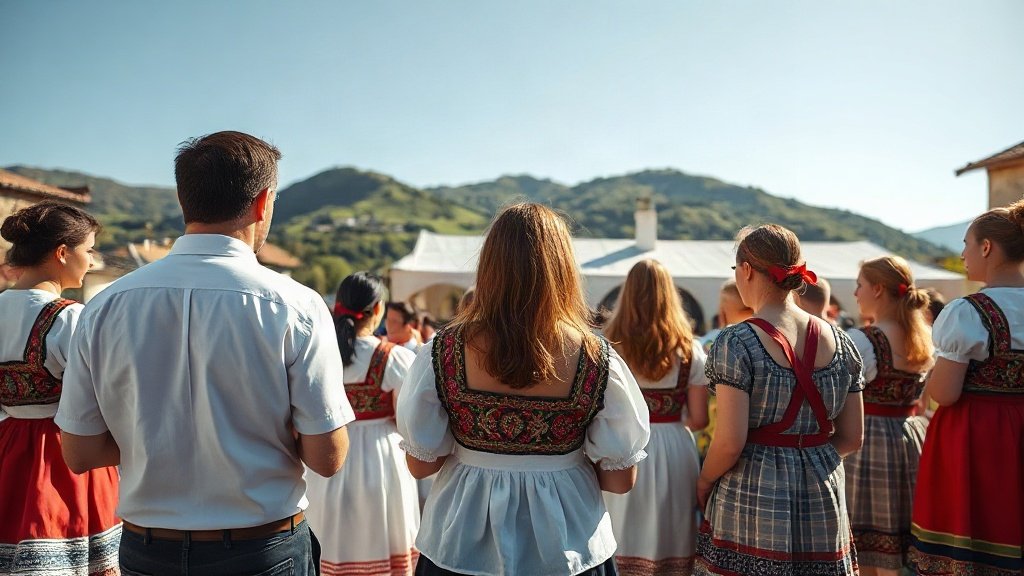
Illustration: AI-generated image
When you think of Croatian music, the gentle harmonies of klapa might come to mind. But travel inland from the Adriatic coast to the rugged Dalmatian hinterland, and you may encounter a far more ancient and arresting sound: ojkanje. This traditional style of singing, with its distinctive vocal shakes and powerful resonance, offers a direct link to a pastoral past that is slowly fading away.
What is Ojkanje?
Ojkanje is a traditional form of singing found in the Dalmatian hinterland, particularly in areas around the towns of Sinj, Imotski, Vrlika, and Knin. The name comes from the characteristic cry "oj" that singers often use to start or punctuate a phrase. The singing is typically performed by two or more singers, with one leading and others providing a drone or echoing phrases.
The most striking feature of ojkanje is the use of a vocal technique called "potresanje" (shaking) or "treskanje" (trembling). Singers produce a rapid, forceful vibration of the voice, often described as a "throat singing" technique. This creates a powerful, penetrating sound that can carry across the open karst landscape. The melodies are usually narrow in range and based on ancient scales, and the lyrics often deal with themes of love, nature, work, and local history.
Those hearing ojkanje for the first time often compare it to a kind of yodelling, but the technique is quite different. Unlike yodelling, which alternates between chest and head voice, ojkanje uses a sustained vibrato produced deep in the throat. The result is a continuous, resonant tone with rapid oscillations that can sound almost instrumental. To the untrained ear it may seem harsh, but to locals it conveys the stark beauty of the karst mountains and the resilience of the people who live there.
Where to Hear Ojkanje
Ojkanje is traditionally performed at community gatherings, weddings, and festivals in the villages of Dalmatinska Zagora. While it is less common in everyday life than it once was, you can still hear it at cultural events and folklore festivals throughout the region. Local cultural associations (kulturno-umjetnička društva) work to preserve the tradition and often perform for visitors.
For the most authentic experience, timing a visit to coincide with a local feast day or saint's day celebration in a small village can be rewarding. These events often feature spontaneous group singing, especially among older generations. Even without a scheduled performance, asking at a local konoba (tavern) or tourist office in the hinterland may lead to an informal demonstration.
Why Ojkanje Matters
In 2010, UNESCO inscribed ojkanje on its List of Intangible Cultural Heritage in Need of Urgent Safeguarding. The listing highlights both the uniqueness of the tradition and the threats it faces. As younger people migrate to cities and modern music dominates, fewer practitioners remain. Efforts are underway to document and teach the technique, but it is notoriously difficult to master.
For visitors, experiencing ojkanje is a chance to connect with a side of Croatia that is far from the tourist crowds. It is raw, unpolished, and deeply rooted in the landscape—a reminder that culture is not only found in museums but also in the voices of those who keep traditions alive against the odds.