The Gusle: A Guide to Croatia's Epic Single-Stringed Instrument
Discover the gusle, a bowed instrument that has carried the epic poetry of the Dinaric Alps for centuries, and learn how it remains part of Croatia's living heritage.
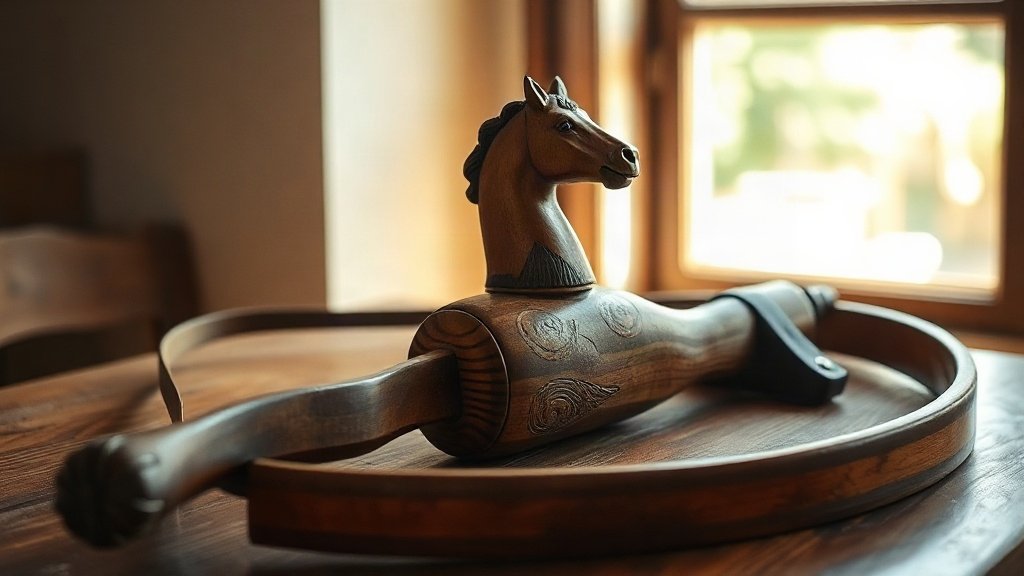
Illustration: AI-generated image
The gusle is a single-stringed bowed instrument that has accompanied the epic songs of the Dinaric Alps for centuries. Played across the western Balkans, it holds a special place in Croatian folk tradition, particularly in the mountainous regions of Dalmatia, Lika, and Herzegovina. Its mournful, almost vocal tone provides a backdrop for the recitation of heroic tales passed down through generations.
What is the gusle?
The gusle consists of a wooden soundbox, typically carved from a single piece of maple, covered with a stretched animal skin membrane. A single horsehair string is stretched across the instrument, and the bow, also strung with horsehair, is drawn across it to produce a continuous, haunting sound. The neck is often ornately carved, frequently with the head of a horse or a snake, reflecting the instrument's deep connection to nature and myth.
How it is played
The player, known as a guslar, sits with the instrument held vertically between the knees. By pressing the string with the fingers of the left hand, the guslar produces a limited range of notes, but the true artistry lies in the articulation of the epic verse. The voice and the instrument intertwine, with the gusle providing a rhythmic and melodic drone that supports the narrative. The songs themselves are often long, telling of historical battles, legendary heroes, and moral tales.
Cultural significance
The gusle tradition is more than music; it is a form of oral history and communal memory. For centuries, when literacy was rare, the guslar was the keeper of knowledge, passing down stories of resistance, love, and loss. Today, the practice continues at cultural events, folklore festivals, and private gatherings, where the ancient art of epic singing to the gusle is cherished as a link to the past.
While the gusle is often associated with the wider Balkan region, in Croatia it remains a symbol of the rugged Dinaric identity, taught in folklore societies and celebrated as an intangible cultural treasure.