A Guide to the Istrian Scale: Croatia's Distinctive Two-Part Singing
Discover the unique two-part singing tradition of Istria, known for its narrow intervals and nasal tone, recognised by UNESCO as intangible cultural heritage.
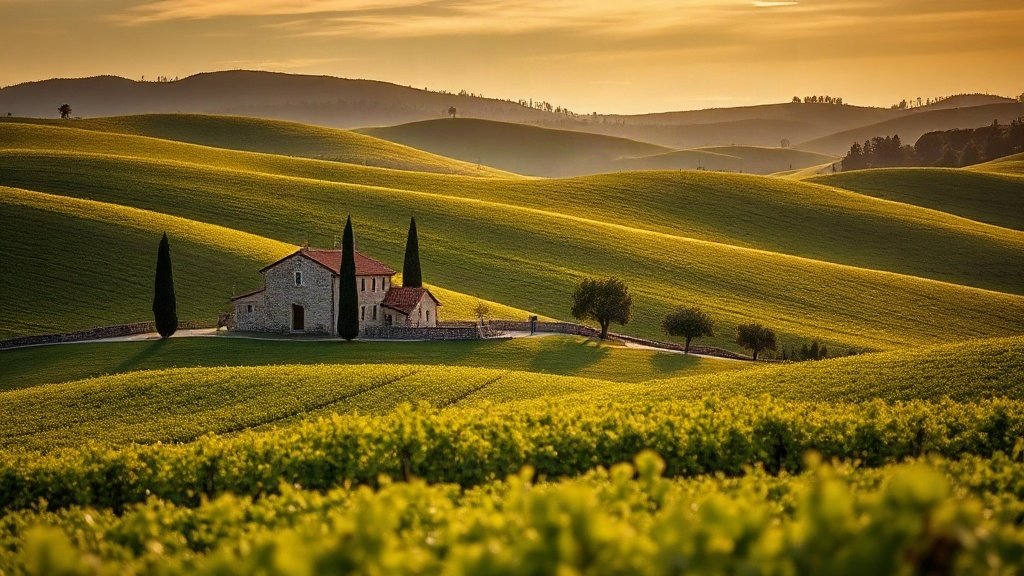
Illustration: AI-generated image
Along the sun-drenched coastline and green hills of Istria, a curious and ancient musical sound echoes through stone villages and across festival stages. Two voices weave together in tight, almost dissonant harmonies that can sound unsettling to untrained ears – yet once you understand its roots, this singing becomes profoundly moving. Known as two-part singing in the Istrian scale, this vocal tradition is one of Croatia's most distinctive cultural treasures.
What is the Istrian scale?
The Istrian scale is a unique musical system used in the folk music of Istria and the Croatian Littoral. Unlike the standard Western scale, it features microtonal intervals – tiny pitch gaps that are narrower than a semitone. The resulting melodies often have a tense, nasal quality, and the two singers deliberately create close seconds (intervals where the notes nearly clash). This gives the music its characteristic 'sharp' sound. The scale is typically performed by two voices, with one singing the melody and the other providing a drone or a close harmony. Sometimes a third voice may join at a third interval. The singing is often accompanied by traditional instruments like the sopile (a double-reed wooden horn) and the mih (a bagpipe made from goat skin), which play in the same scale.
A living heritage
This singing tradition is deeply rooted in the everyday life of Istria's rural communities. For centuries, it accompanied work in the fields, family gatherings, weddings, and religious festivities. The songs often speak of love, nature, daily hardships, and local legends. Because the tradition was passed down orally from generation to generation, no written notation existed for many years. It survived thanks to elders teaching younger singers within families and villages. Today, the practice is kept alive by numerous folklore groups and cultural associations across the peninsula. They perform at local festivals, church celebrations, and public events, ensuring the tradition endures.
How it sounds
To a first-time listener, Istrian two-part singing can feel otherworldly. The voices, often slightly nasal, slide between pitches that don't fit neatly into modern tuning. The close harmonies create a raw, almost electric tension. The lead singer, or 'prima', carries the melody, while the second voice, 'sekunda', holds a drone or weaves a tight harmony. The singers may also add 'tanac', a lively dance tune, to the repertoire. The result is a sound that feels ancient and deeply connected to the rocky, windswept landscape of Istria. It's no wonder that ethnomusicologists consider it one of the most archaic musical styles in Europe.
Where to experience it
If you're travelling through Istria, keep an ear out for announcements of local 'klapa' concerts (though klapa is a different style, many groups also perform traditional Istrian songs) and folklore nights. The best chances to hear authentic two-part singing are at village festivals, particularly during summer months. Look for 'večeri folklora' (folklore evenings) advertised in town squares. Some cultural centres and ethnographic museums occasionally host performances, and local tourist offices can point you to upcoming events. Listening to this music in a small stone church or on a hilltop terrace at sunset is an experience you won't forget.
Why it matters
In 2009, UNESCO inscribed two-part singing and playing in the Istrian scale on its Representative List of the Intangible Cultural Heritage of Humanity. This recognition highlights the tradition's importance not only to Croatia but to the world's cultural diversity. By preserving this unique musical language, Istria keeps a direct link to its ancient past. For visitors, listening to it is a chance to connect with the living soul of the region – a sound that has echoed through these hills for centuries.