Ojkanje: Understanding Croatia's Ancient Voice-Breaking Singing Style
Discover Ojkanje, a centuries-old two-part singing tradition from Croatia's Dinaric hinterland, recognised by UNESCO for its unique vocal technique and cultural significance.
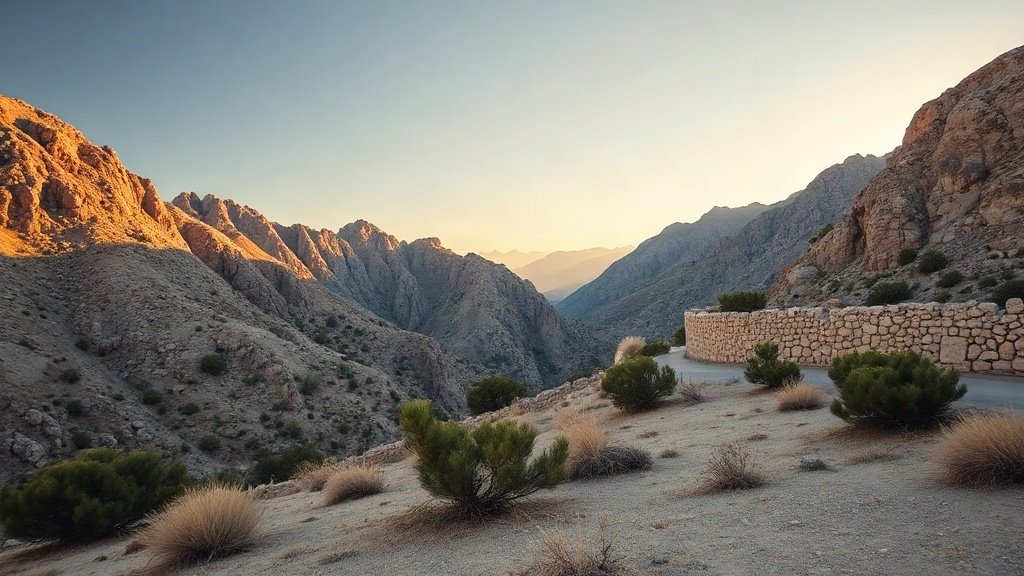
Illustration: AI-generated image
High in the Dinaric Alps, where limestone peaks meet the clear skies of the Croatian hinterland, a remarkable vocal tradition has echoed across valleys for centuries. Ojkanje is a form of two-part singing that relies on a distinctive vocal technique, one so unusual it has been recognised by UNESCO as an intangible cultural heritage in need of urgent safeguarding.
A Dinaric Heritage
Ojkanje is rooted in the rural communities of Croatia's mountainous interior, particularly in the regions of Lika, Dalmatinska zagora, and parts of Bosnia and Herzegovina. The style is thought to be very old, with roots that may stretch back to pre-Christian times, though its exact origins are lost in the mists of oral tradition. Historically, it was performed by shepherds and farmers as they worked or gathered, its penetrating sound carrying across the open landscape.
The Sound of Ojkanje
What makes Ojkanje unique is the way singers produce their notes. Typically, two performers—often one leading and one following—sing together in a tight, dissonant harmony. The lead singer uses a powerful, nasal voice, while the second singer provides a continuous drone or responds with a characteristic voice-breaking effect. This technique, sometimes described as "shaking" or "trembling" the voice, involves rapid changes in pitch and volume, creating a sound that is raw, earthy, and deeply evocative. The melodies are often based on a limited scale of just a few notes, and the lyrics are usually short verses, sometimes improvised, dealing with everyday life, love, or humorous anecdotes.
Occasions and Meaning
Ojkanje is not a stage performance in the modern sense; it is a social act. It is sung at gatherings, weddings, and village celebrations, often spontaneously. It serves as a way to express emotion, tell stories, and reinforce community bonds. For the people of these regions, the sound is intimately tied to their identity and landscape, a sonic emblem of the rugged terrain and hard-won resilience.
Keeping the Tradition Alive
Today, Ojkanje faces significant challenges. The rural depopulation of the hinterland, the influence of modern music, and the difficulty of mastering the vocal technique have led to a decline in practitioners. UNESCO's listing in 2010 was a call to action, and since then local cultural associations, schools, and festivals have worked to pass the tradition to younger generations. Workshops and gatherings help keep the sound alive, ensuring that this ancient voice of the mountains continues to be heard.
For travellers venturing into Croatia's interior, encountering Ojkanje is a rare privilege—a chance to hear music that is not performed for tourists but lived by communities proud of their heritage, especially at rural gatherings and cultural events in Lika and the Dalmatian hinterland.