The Dubrovnik Summer Festival: A Guide to Croatia's Premier Cultural Event
Every summer, the historic city of Dubrovnik transforms into a stage for theatre, music, and dance. Here's what to know about this celebrated festival.
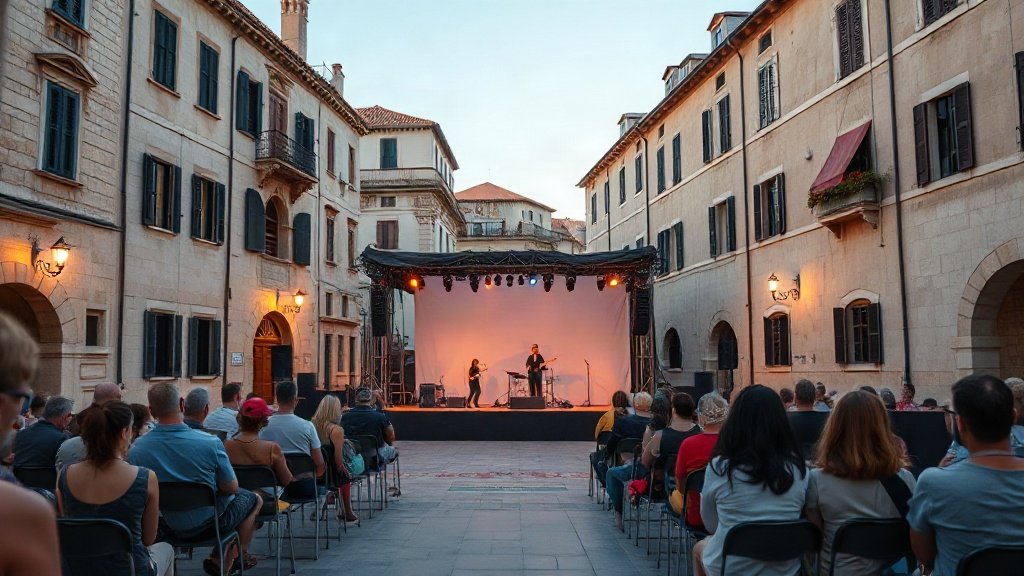
Illustration: AI-generated image
Every summer, the walled city of Dubrovnik becomes one large open-air stage. From mid-July to late August, the Dubrovnik Summer Festival (Dubrovačke ljetne igre) fills its squares, forts, and palaces with theatre, music, dance, and more. For over seventy years, this festival has been the cultural heart of the Dalmatian coast, drawing performers and audiences from around the world.
A Tradition Since 1950
The festival was founded in 1950, at a time when post-war Europe was hungry for cultural renewal. Inspired by the long-standing summer festivals in cities like Salzburg and Edinburgh, a group of Dubrovnik artists and intellectuals saw the potential of using the city's spectacular historic architecture as a backdrop for live performance. The first edition ran for just over a month and set a pattern that continues today: a mix of Croatian and international productions, staged in venues that are as much a draw as the performances themselves.
Stages in the Stones
What makes the Dubrovnik Summer Festival truly unique is its setting. There are no conventional concert halls here. Instead, performances take place in some of the city's most evocative open-air spaces. Lovrijenac Fortress, perched on a cliff above the sea, hosts many of the festival's flagship theatre productions, including performances of Shakespeare's Hamlet that have become legendary. The Rector's Palace atrium, with its Renaissance arches, provides an intimate space for chamber music and solo recitals. Other venues include the Revelin Fortress, the island of Lokrum, and various churches and squares within the old town.
What to Expect
The programme changes every year, but the festival consistently offers a rich mix of genres. Classical music features heavily, with symphony orchestras, chamber ensembles, and recitals by renowned soloists. Theatre is another cornerstone, often with productions that explore both Croatian and international repertoire. Ballet and contemporary dance performances are regular highlights, and there are also film screenings, poetry readings, and exhibitions. The festival has a strong tradition of showcasing Croatian artists while also welcoming major international stars.
Practical Tips for Visitors
If you plan to attend, it's wise to book tickets in advance, especially for popular performances at Lovrijenac, as seats can sell out quickly. Remember that most venues are outdoors, so evenings can be cool even in summer; bring a light jacket or shawl. Performances usually begin after sunset to avoid the heat, but check the start times carefully. The festival's website publishes the full programme each spring, and tickets can be bought online or at the festival office in the old town.
Even if you don't have tickets for a specific show, the festival atmosphere is part of the appeal. The old town buzzes with energy, and some daytime events and rehearsals are open to the public. Pairing a festival evening with a stroll along the Stradun or a seafood dinner is a quintessential Dubrovnik summer experience.
Why It Matters
The Dubrovnik Summer Festival is more than just a series of events; it's a living link between the city's glorious past and its vibrant present. For locals, it's a source of pride and a seasonal rhythm. For visitors, it offers a rare chance to experience world-class art within walls that have stood for centuries. The festival has also played a significant role in Croatia's cultural diplomacy, putting Dubrovnik firmly on the map of European summer festivals.
Whether you're a devoted culture lover or simply curious to see the city in a different light, the Dubrovnik Summer Festival is a tradition worth planning around.