A Guide to Croatia's Olive Oil: Regions, Tasting and the Autumn Harvest
Discover why Croatian olive oil is among the world's best, which regions to visit, and how to taste it like a pro.
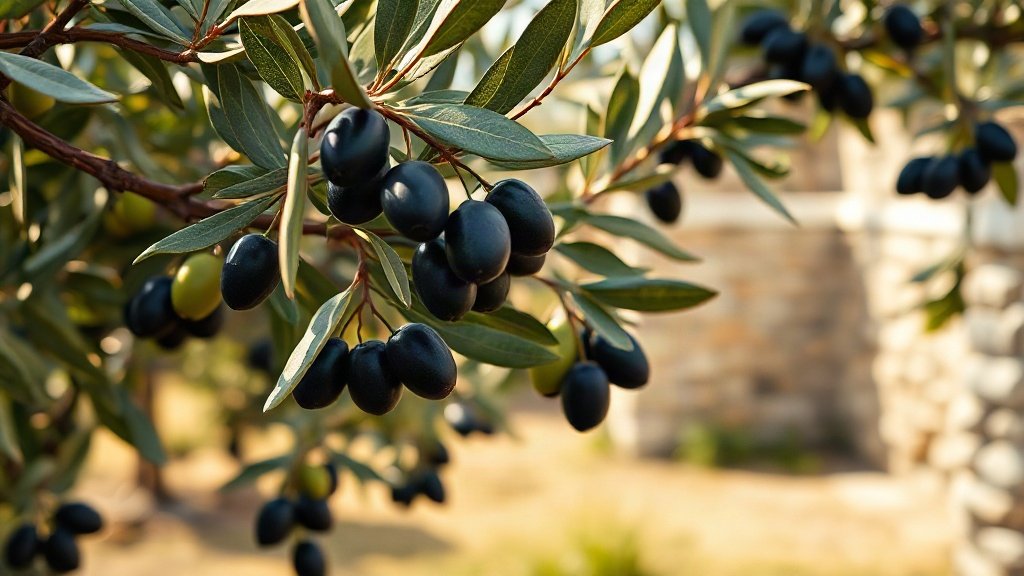
Illustration: AI-generated image
Croatia may be famous for its coastline and islands, but tucked among the vineyards and medieval hilltop towns is another treasure: olive oil. Often called 'liquid gold,' Croatian olive oil has been gaining international recognition for its quality, thanks to a combination of indigenous varieties, traditional farming and modern expertise. For travellers, exploring the country's olive-growing regions offers a delicious way to connect with the landscape, culture and people.
Why Croatian Olive Oil Stands Out
Olive cultivation in Croatia dates back over two thousand years, to the time of the ancient Greeks and Romans. Today, the country has more than four million olive trees, many of them centuries old. What makes Croatian oils distinctive is the prevalence of native cultivars such as Oblica, Buža, Istarska Bjelica and Lastovka, which produce oils with unique flavour profiles. Because most groves are small and family-owned, harvesting is often done by hand, and many producers still press their olives within hours of picking, preserving freshness and aroma.
Where to Go: Key Olive Regions
Istria is Croatia's most awarded olive oil region. The red soil and mild climate yield oils that are typically fruity with a peppery finish. Many family farms welcome visitors for tastings, often paired with local cheese, prosciutto and wine. The charming hilltop towns of Motovun, Grožnjan and Buje are surrounded by olive groves and offer scenic drives.
Dalmatia stretches from Zadar to Dubrovnik, and its islands—especially Brač, Hvar, Korčula and Šolta—are dotted with ancient olive trees. The oils here tend to be more robust and herbaceous. A visit to the Stari Grad Plain on Hvar reveals a landscape shaped by Greek agriculture, including olive terraces that are still productive.
Kvarner and the islands of Cres, Krk and Lošinj also have a long olive tradition. The oils from these windswept islands are often bold and slightly bitter, reflecting the harsh growing conditions.
How to Taste Olive Oil Like a Pro
Tasting olive oil is an experience in itself. At a typical tasting, you'll be offered small cups of oil, sometimes warmed by your hand, and encouraged to inhale deeply before sipping. Look for positive attributes like fruitiness, bitterness and pungency—all signs of high polyphenols and freshness. Swirl the oil in your mouth, then swallow and notice the peppery sensation at the back of your throat. It's a sign of healthy olives and careful processing.
Ask questions: many producers are happy to explain their methods, from organic farming to early harvest dates. Tastings are usually informal and often free, though booking ahead is wise, especially in autumn.
When to Visit: The Autumn Harvest
The olive harvest in Croatia typically runs from October to early November, though some producers start in late September for greener oils. Visiting during this time lets you see the groves in action—families spreading nets under trees, hand-picking or using gentle shakers—and the mills working around the clock. The scent of fresh olive paste is unforgettable, and many villages hold festivals celebrating the new oil, with music, food and communal pressing.
If you can't make it in autumn, spring and summer are also lovely, with groves in full leaf and tasting rooms open. Just remember that fresh oil is a seasonal product, so the newest bottles arrive in late autumn and winter.
Practical Tips for Buying and Bringing Home
When buying, look for oils labelled with the harvest year and preferably the specific olive variety. Dark glass bottles protect the oil from light, and proper storage is key. Croatian customs allow travellers to take olive oil in checked luggage, but check airline rules for liquids if carrying on. A common gift is a set of small bottles from different regions, allowing you to compare flavours at home.
Wherever you go, ask locals for recommendations—they'll often point you to a family mill that isn't on any tourist map. That's where you'll find the real liquid gold.