A Guide to Croatian Cheese: Pag, Škripavac and More
From the salty, herb-scented hard cheese of Pag to the squeaky fresh Škripavac of the interior, Croatia's cheeses are a delicious reflection of its landscapes.
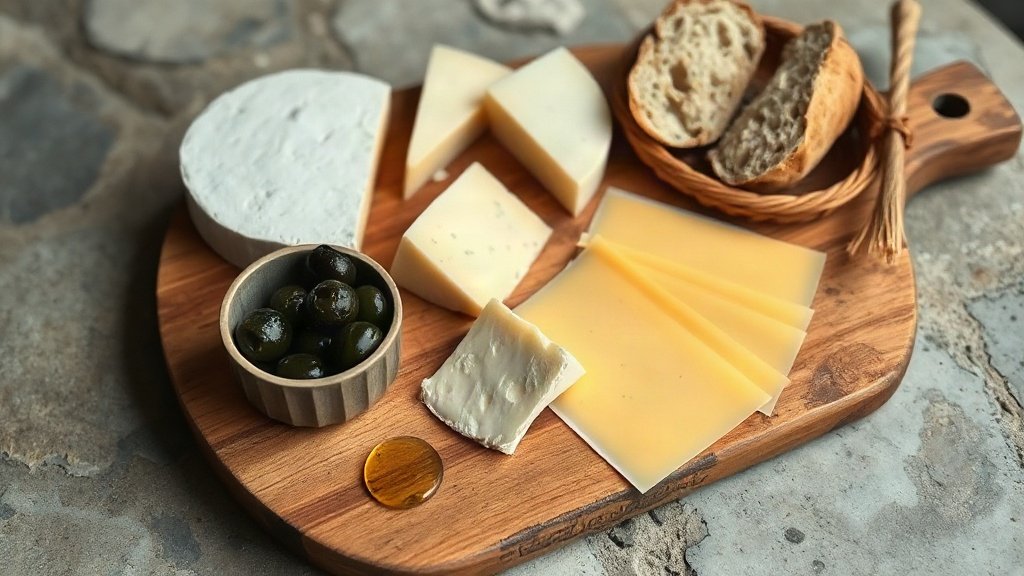
Illustration: AI-generated image
Croatia's coastline and islands are rightly famous for seafood and olive oil, but its cheeses deserve just as much attention. From the rocky pastures of Pag to the green valleys of Lika, each region produces distinctive cheeses that tell a story of climate, tradition and local breeds. Here is a guide to some of the country's most beloved varieties and how to enjoy them on your travels.
Paški sir – The Star of Pag
No conversation about Croatian cheese can start without Paški sir, or Pag cheese. Made exclusively on the island of Pag, this hard sheep's milk cheese owes its unique flavour to the island's harsh, windswept landscape. The indigenous Pag sheep graze on wild aromatic herbs such as sage, immortelle and rosemary, which infuse their milk with a distinctive saltiness and herbal notes.
Paški sir is protected by a European Union Protected Designation of Origin (PDO), meaning it must be produced on Pag using traditional methods. Younger cheeses are smooth and slightly tangy, while aged versions become hard and granular, perfect for grating over pasta or risotto. A classic Dalmatian starter is thin slices of Pag cheese drizzled with olive oil and served with olives and prosciutto.
Škripavac – The Squeaky Fresh Cheese
Moving inland, you will encounter Škripavac, a fresh cow's milk cheese from the regions of Lika and Kordun. Its name comes from the Croatian word škripati, meaning "to squeak", because of the sound it makes when chewed. This soft, white cheese is usually eaten within a few days of production and has a mild, milky flavour with a slightly rubbery texture.
Škripavac is often served as a side dish, crumbled into salads, or simply enjoyed with a slice of fresh bread and a sprinkle of salt. It is rarely found outside Croatia, so be sure to try it at a local market or agritourism farm.
Trapist – A Monastery Legacy
Trapist is a semi-hard cheese with a creamy texture and mild, buttery taste. Its name comes from the Trappist monks who originally produced it, and it remains associated with monasteries in Slavonia and other parts of inland Croatia. The cheese is pale yellow with a smooth rind and is versatile enough for sandwiches, melting or snacking.
Look for Trapist in local delis or cheese counters; it is a staple of many Croatian households and a good introduction to the country's dairy traditions beyond the coast.
Other Regional Varieties
While Pag, Škripavac and Trapist are the most famous, adventurous cheese lovers will find many other local specialities. Istria produces excellent goat's cheeses, often aged in ashes or coated with herbs. The island of Brač is known for a hard sheep's cheese similar to Pag but with a milder flavour. In Slavonia, smoked cheeses and soft, spreadable varieties are common in traditional cooking.
Where to Taste and Buy
The best way to experience Croatian cheese is to visit a local farmers' market. Zagreb's Dolac Market, Split's Pazar and the markets in Rijeka and Osijek all have dedicated cheese stalls where you can sample before you buy. Look for signs saying sir (cheese) or domaći sir (homemade cheese).
Many agritourism farms, especially in inland Croatia and Istria, offer tastings and the chance to see traditional cheese-making. And no restaurant meal is complete without a cheese plate as a starter or dessert – just ask for plata sira.
Pairing Croatian Cheese
Croatian cheeses pair wonderfully with the country's wines. The crisp white Pošip from Korčula complements the saltiness of Pag cheese, while a robust Plavac Mali from Pelješac stands up to aged hard cheeses. For a sweet contrast, drizzle honey over fresh Škripavac or serve aged cheese with dried figs and walnuts.
Whether you are a serious foodie or simply curious, exploring Croatia's cheese is a delicious way to connect with its regions and traditions. Next time you are at a market, do not hesitate to ask for a taste – you might discover a new favourite.