A Guide to Klapa: Croatia's Soulful A Cappella Singing Tradition
Discover the harmonious a cappella style from Dalmatia that UNESCO recognises as intangible cultural heritage, and learn where to experience it live.
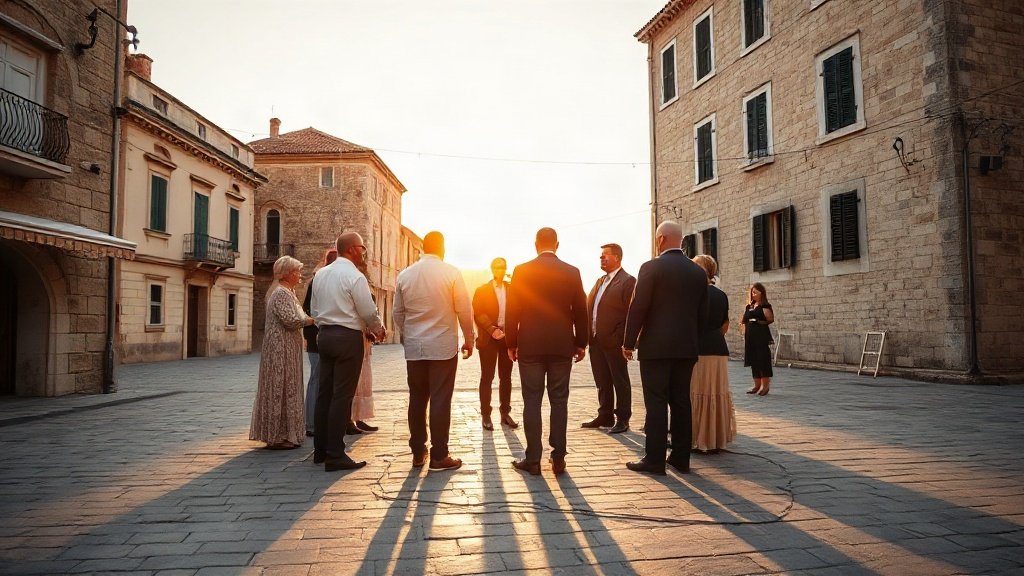
Illustration: AI-generated image
Walk through the narrow stone streets of a Dalmatian town on a warm summer evening, and you might hear it: the rich, close-harmony sound of a klapa. This traditional form of a cappella singing is one of Croatia's most beloved cultural expressions, deeply woven into the social fabric of the coastal region. More than just music, klapa is a way of life—a communal act that brings friends and neighbours together, often over a glass of wine and a plate of pršut.
What is Klapa?
Klapa is a style of multipart singing, traditionally performed without instrumental accompaniment. The word "klapa" originally meant "a group of friends," and that sense of camaraderie remains central to the tradition. A typical klapa ensemble consists of five to eight singers, though larger groups exist. Men's klapas are the most iconic, but female and mixed groups have become increasingly popular. The music is characterised by tight harmonies, smooth vocal blends, and a repertoire that celebrates love, the sea, and the homeland.
A Brief History
The roots of klapa stretch back to the 19th century in Dalmatia, where informal gatherings of men would sing in taverns, on fishing boats, and in village squares. Influenced by church music, Italian folk traditions, and the natural acoustics of stone courtyards, the style evolved into a distinct art form. By the mid-20th century, klapa had gained formal recognition, with festivals and competitions springing up along the coast. Today, it is a proud symbol of Dalmatian identity, performed at weddings, christenings, and public celebrations.
Musical Characteristics
Klapa singing is instantly recognisable by its rich, resonant sound and precise intonation. The vocal parts are typically arranged in four voices: first tenor, second tenor, baritone, and bass. The first tenor carries the melody, while the other voices weave harmonies around it, often producing a shimmering, almost bell-like quality. Dissonance is rare; the aim is to create a seamless blend that feels both powerful and intimate. Songs are often sung at a slow or moderate tempo, allowing the harmonies to linger in the air.
Themes and Lyrics
The lyrics of klapa songs are poetic and heartfelt. They frequently express love—for a partner, a mother, a hometown, or the sea itself. Nostalgia and longing are recurring emotions, reflecting the experiences of a people whose lives have long been tied to the Adriatic. Many songs use local dialect, which adds to their authenticity and charm. Even without understanding the words, listeners are often moved by the sheer emotional depth of the performance.
Where to Experience Klapa
The best way to hear klapa live is to visit Dalmatia during the summer months, when festivals and open-air concerts abound. Towns like Omiš, Split, and Dubrovnik host dedicated klapa events that draw the region's finest ensembles. But you don't need a festival to enjoy it—an evening walk through a coastal village may lead you to a spontaneous performance in a konoba or on a piazza. Locals are often happy to share their tradition, so don't be shy to ask where you might catch a song or two.
UNESCO Recognition
In 2012, klapa singing was inscribed on UNESCO's Representative List of the Intangible Cultural Heritage of Humanity. The citation highlighted its role in fostering community bonds and preserving local identity. This recognition has helped raise international awareness and support for training young singers, ensuring the tradition thrives for generations to come.
Tips for Enjoying Klapa
When you attend a klapa performance, take a moment to appreciate the skill involved. Listen for how the voices lock together, creating overtones that seem to shimmer above the group. Don't worry about formal etiquette—klapa is meant to be enjoyed casually, and applause between songs is welcome. If you're inspired to learn more, consider picking up a recording or attending a workshop offered by cultural centres in Dalmatia. Above all, let the music transport you to a sun-drenched terrace overlooking the Adriatic, where friendship and harmony reign.