Sinjska Alka: A Guide to Croatia's Historic Knights' Tournament
Held every August in Sinj, the Alka is a chivalric contest that has celebrated victory and faith for centuries. Here's what to know about this UNESCO-listed tradition.
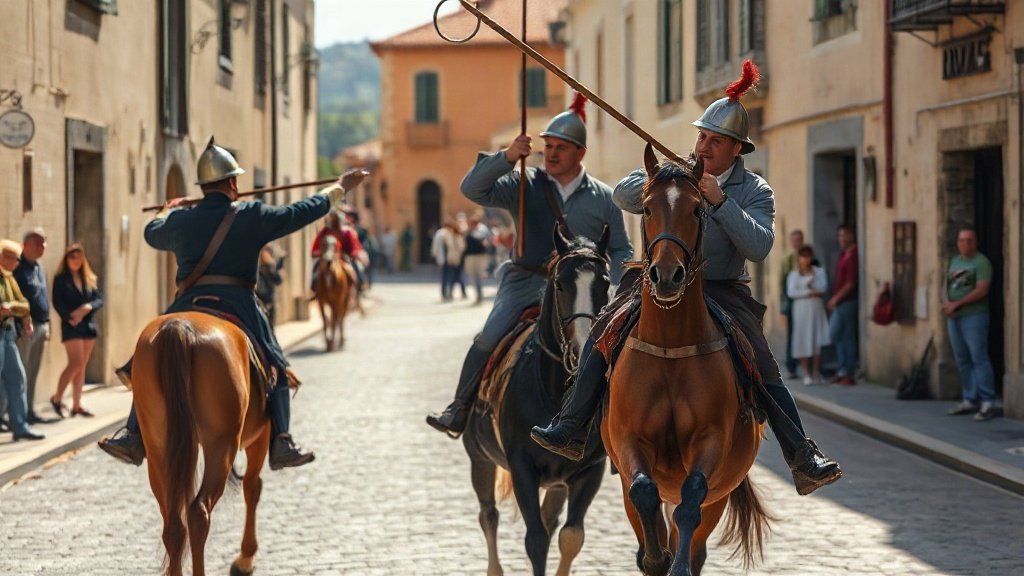
Illustration: AI-generated image
Every August, the small town of Sinj in the Dalmatian hinterland stages one of Croatia’s most distinctive spectacles: the Sinjska Alka. Horsemen in 18th-century costumes gallop down a main street and aim their lances at a suspended metal ring, called the alka. The event is a living link to a pivotal moment in local history and a proud display of horsemanship.
What is the Sinjska Alka?
The Alka is a knightly tournament in which riders, known as alkari, charge on horseback and attempt to spear a small iron ring with a lance. The ring is composed of two concentric circles connected by three bars, and it hangs from a rope above the track. Points are awarded based on which part of the alka the lance strikes: the inner circle scores highest, the outer sections less, and missing scores nothing.
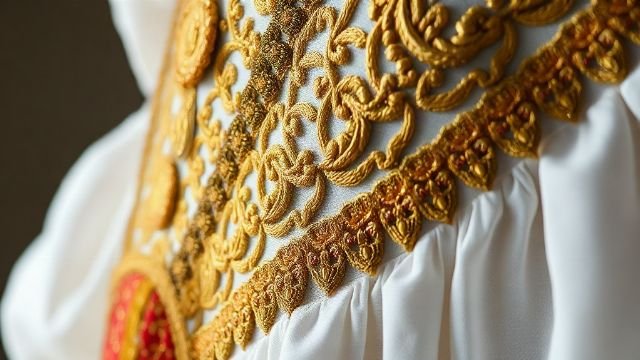
The lances are made of wood and iron, and each rider carries one as he gallops at full speed. The skill lies in hitting the ring precisely while controlling the horse, a feat that requires years of practice. The alkari wear traditional uniforms reminiscent of the 18th-century cavalry, complete with tall boots, embroidered jackets and distinctive hats.
The Story Behind the Tradition
The event commemorates the defence of Sinj against Ottoman forces in 1715. According to local tradition, when a much larger army laid siege to the town, the defenders held out and eventually drove the enemy away. In gratitude, the people of Sinj began holding the Alka as an annual vow and celebration. The first official Alka is believed to have taken place in 1717, and it has continued almost without interruption since.
A religious dimension remains central: the day begins with a mass and a procession, and the Alka is preceded by a ceremonial parade of all participants. The Alka Duke, the commander of the troop, leads the procession, and the riders then proceed to the track where the contest unfolds.
How the Alka is Run
The contest features a parade of participants in historical dress, including the Alka Duke and the Alka troop. Riders take three passes along the 160-metre track. The winner is the rider with the highest combined score; if there is a tie, additional runs decide the victor. The victor receives a ceremonial sash and the title of Slavodobitnik, and the whole town celebrates with music and feasting.
Strict rules govern the event. Riders must be members of the Alka Society, and the horses are specially trained for the sprint. The atmosphere is both competitive and solemn, with the crowd cheering each pass but also respecting the historical weight of the occasion.
A Living Piece of Heritage
In 2010, UNESCO inscribed the Sinjska Alka on its Representative List of the Intangible Cultural Heritage of Humanity. The listing recognises the event’s continuity, its community involvement, and its role in preserving traditional equestrian skills. Today the Alka remains a source of immense local pride and a draw for visitors from across Croatia and beyond.
When and Where to See It
The Alka is held annually on the first Sunday in August in Sinj, a town about 30 kilometres inland from Split. The main street becomes the race track for the day, with spectators lining the route. While seating is available in grandstands, many locals watch from balconies and windows, and the entire town takes on a festive air.
If you find yourself in Dalmatia in early August, a visit to Sinj offers a chance to witness a tradition that has bridged centuries. The atmosphere during the Alka is electric, blending pageantry, sport and deep-rooted faith.