Đakovo Embroidery: A Guide to Croatia's Golden Thread from Slavonia
Discover the intricate world of Đakovo embroidery, a treasured folk art from Slavonia renowned for its shimmering golden thread and geometric patterns.
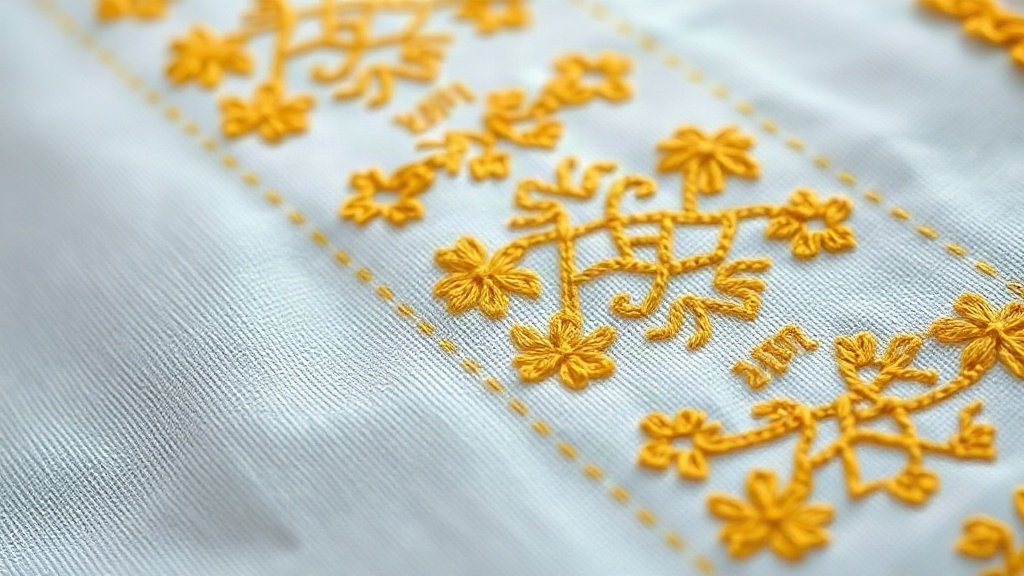
Illustration: AI-generated image
In the eastern Croatian region of Slavonia, a shimmering tradition has been woven into the fabric of daily life for centuries. Đakovo embroidery, known for its luminous golden thread and bold geometric patterns, is one of the country's most distinctive folk arts. More than just decoration, it tells stories of heritage, faith, and community pride.
What is Đakovo Embroidery?
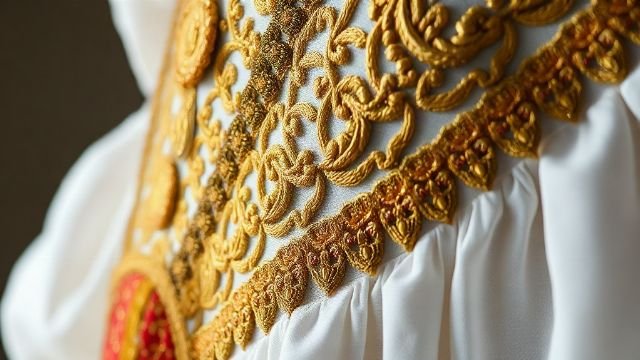
Đakovo embroidery is a form of traditional needlework originating from the town of Đakovo and its surrounding villages in Slavonia. Historically practised by women, it was used to adorn costume pieces, household linens, and church textiles. The craft is defined by its use of gold or yellow metal-wrapped thread on a contrasting background, usually white or black, creating a striking visual effect.
The embroidery is worked in a flat, counted-thread technique, with designs built from geometric motifs such as diamonds, crosses, stars, and stylised flowers. Unlike the more delicate laces of the Adriatic coast, Đakovo embroidery is robust and densely stitched, reflecting the rich agricultural landscape of Slavonia.
Historic Roots and Symbolism
The tradition flourished under the influence of the Austro-Hungarian Empire, when gold embroidery became a mark of prestige among wealthy landowners and the Church. Over time, it trickled down into folk costume, becoming a symbol of identity and social standing. The shimmering gold thread was prized for its association with sunlight and fertility.
Each motif carries meaning: the rozeta (rosette) represents the sun and life; the križ (cross) signifies faith; and interconnected diamonds suggest the bonds of family and community. These symbols, repeated in rhythmic patterns, create a visual language passed down through generations.
Where to Experience the Craft Today
Đakovo remains the heart of this living tradition. The town's State Archives and the Museum of Đakovo Region hold modest collections of historic embroidery, while local cultural associations (KUD-ovi) continue to practise and teach the craft. Each year, the Đakovački vezovi (Đakovo Embroidery) festival celebrates the region's folklore, with participants wearing elaborate costumes adorned with the golden thread. The festival typically takes place in early July, transforming the town into a vibrant showcase of Slavonian heritage.
Visitors can also find examples of Đakovo embroidery in the traditional costumes worn during church ceremonies and folk performances. For those interested in learning, occasional workshops are offered by local artisans, though details are best sought through the town's tourist office.
Why It Matters
In an era of mass production, Đakovo embroidery stands as a testament to patience and artistry. Its survival depends on the dedication of a handful of skilled practitioners, but interest is growing among younger generations eager to reconnect with their roots. By understanding and appreciating this golden thread, we help ensure it continues to shine for years to come.