Zlatovez: A Guide to Croatia's Traditional Gold Embroidery
Discover the intricate art of zlatovez, a centuries-old gold thread embroidery tradition from eastern Croatia that still adorns festive folk costumes.
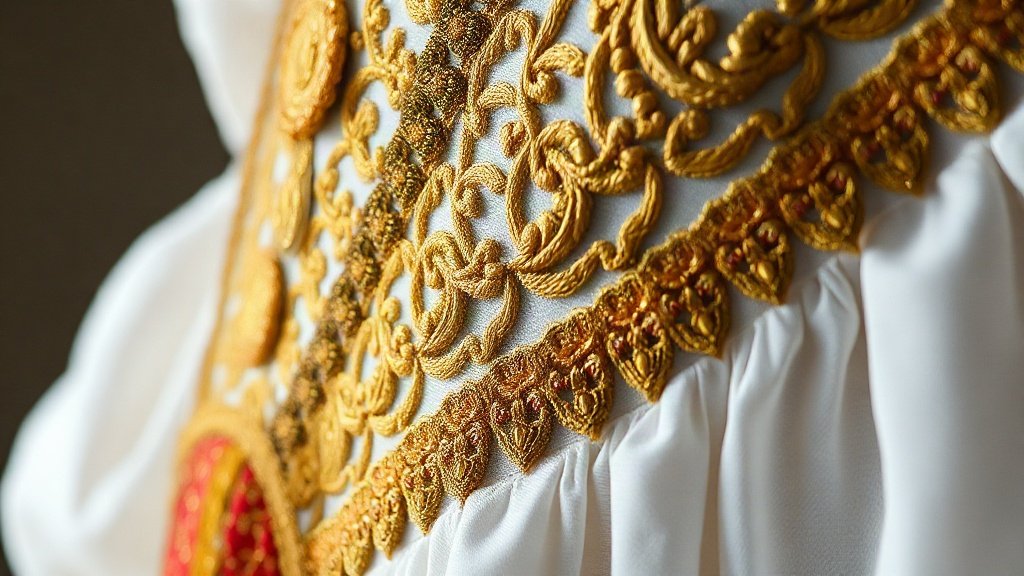
Illustration: AI-generated image
In the rural communities of Slavonia, Baranja and Srijem, a shimmering craft has been passed down through generations: zlatovez, or gold embroidery. This painstaking technique, using real gold or silver thread, transforms simple linen and wool into dazzling pieces of wearable art, reserved for the most important moments in life.
A Royal Heritage
Zlatovez has deep roots in the Pannonian plain, influenced by centuries of trade and cultural exchange with the Ottoman Empire and Central Europe. While silk and metallic threads were once a luxury for the nobility, over time local women adapted the technique to decorate their own festive attire, often using silver-gilt or gold-plated copper thread as a more accessible alternative. The craft became a mark of status within the village, with the most elaborate pieces saved for weddings, religious feasts and other celebrations.
Technique and Materials
Unlike other embroidery styles that use a needle to draw thread through fabric, zlatovez typically involves couching: the metallic thread is laid on the surface of the cloth and secured with tiny stitches of a finer, contrasting thread (often silk or cotton). This allows the gold to sit proud of the fabric, catching the light with every movement. Traditional designs are worked on linen or wool, and the base fabric is often dark—deep red, black or blue—to make the gold gleam even more brilliantly.
The metallic threads themselves were historically made by winding thin strips of gold or silver around a silk or linen core. Today, modern equivalents are used, but the visual effect remains similar. The work is extremely time-consuming; a single sleeve or bodice panel can take weeks of daily effort.
Traditional Motifs
Zlatovez patterns are highly symbolic and deeply connected to nature and local beliefs. Common motifs include:
- Floral forms such as roses, tulips and carnations, representing beauty and fertility.
- Geometric shapes like diamonds and zigzags, believed to ward off evil.
- Stylised birds and grapes, symbols of happiness and abundance.
Each village had its own repertoire of patterns, and the arrangement of motifs on a garment could signal a woman's marital status, region or even family identity.
Where to See Zlatovez Today
Although fewer women practise the craft today, zlatovez is still showcased at folklore festivals and in ethnographic museums across eastern Croatia. The Ethnographic Museum of Slavonia in Osijek holds a notable collection of historical garments, while local cultural associations in towns like Đakovo and Vinkovci often demonstrate the technique during traditional events. Visitors to the region may also encounter zlatovez on display during church holidays, when older generations proudly wear their heirloom costumes.
For those inspired to learn, occasional workshops are offered by cultural heritage organisations, but the best way to appreciate zlatovez is to see it in person—the shimmer of gold thread on a sunlit Sunday morning is a sight not easily forgotten.