A Guide to Oyster Tasting in Mali Ston: Croatia's Shellfish Capital
Discover why Mali Ston on the Pelješac peninsula is famous for its oysters, how they are grown, and what to expect from a tasting experience.
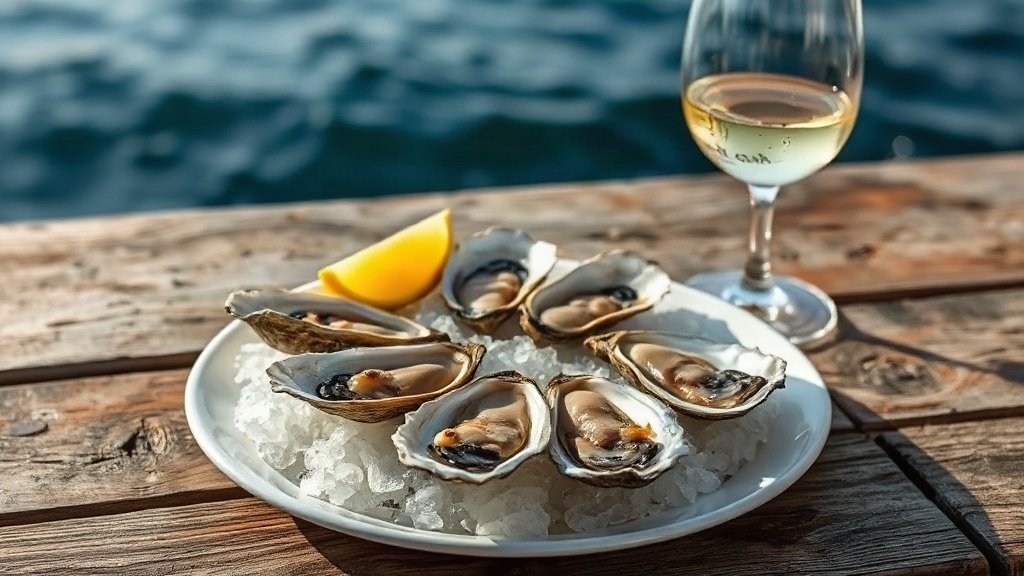
Illustration: AI-generated image
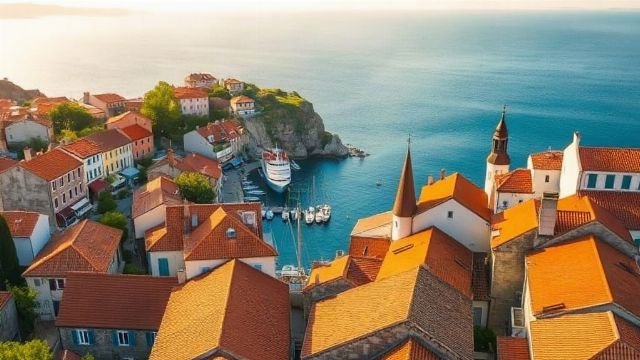
On the Pelješac peninsula, about an hour north of Dubrovnik, lies Mali Ston—a tiny village with a mighty reputation. Sheltered by steep hills and fed by the clean waters of the Adriatic, the Bay of Mali Ston has been a centre for oyster farming since Roman times. Today, it produces some of Croatia's most sought-after shellfish.
Why Mali Ston oysters are special
The bay's unique mix of salt and fresh water, along with strong currents, creates an ideal environment for the European flat oyster (Ostrea edulis). These oysters grow slowly and develop a distinctive, briny-sweet flavour with a firm texture. Unlike many farmed oysters, they are often served raw, straight from the sea, and prized for their clean taste.
How oysters are cultivated
Traditional farming methods are still used in Mali Ston. Oysters are grown on ropes or in baskets suspended from floating wooden structures. The process begins with the collection of wild spat, which then matures over two to three years. Farmers regularly turn and clean the oysters to ensure even growth. This labour-intensive approach, passed down through generations, contributes to the high quality of the final product.
What to expect from a tasting
Most visitors head to one of the small, family-run restaurants or oyster farms along the waterfront. A typical tasting includes a dozen oysters, freshly shucked and served on a bed of ice with a wedge of lemon. Some places also offer grilled oysters or oysters in a light broth. Pair them with a glass of local white wine, such as Pošip or Grk, for a truly Dalmatian experience.
The best time to visit is during the cooler months, from September to April, when oysters are said to be at their plumpest. Many locals follow the old saying that oysters should only be eaten in months containing the letter 'r', but you can find them year-round in Mali Ston.
Getting there and practical tips
Mali Ston is easily reached by car from Dubrovnik (about 50 minutes) or from Split (about 2.5 hours). The village is also a stop on some organised day trips. If you are driving, note that the roads are narrow and winding, so allow extra time. While in the area, take a walk along the historic Ston walls—the longest fortress system in Europe—or sample the local mussels, which are equally renowned.
No advanced booking is usually needed for a simple oyster tasting, but it is wise to call ahead during peak summer months. Many farms welcome drop-in visitors and offer short explanations of their work, often free of charge.