A Guide to Paklenica National Park: Croatia's Hiking and Climbing Paradise
Discover one of Croatia's most dramatic landscapes, where sheer limestone cliffs rise above forested canyons and the Adriatic glitters in the distance.
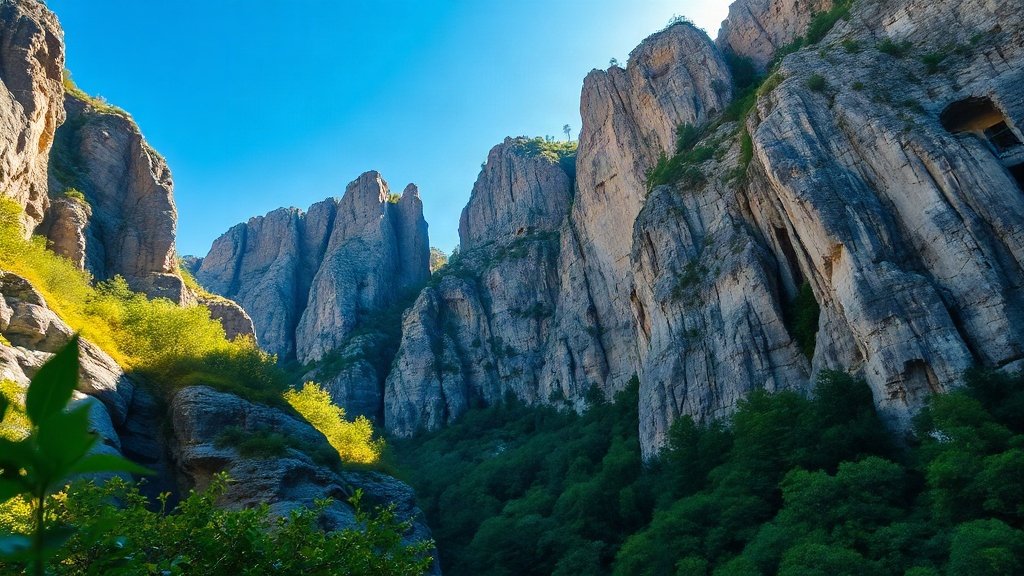
Illustration: AI-generated image
Paklenica National Park sits in northern Dalmatia, where the mighty Velebit mountain range plunges into the Adriatic Sea. This is a landscape of stark contrasts: lush beech and black pine forests blanket steep slopes, while bare karst rock towers overhead. The park is famous for its two dramatic canyons – Velika Paklenica and Mala Paklenica – carved by glacial meltwater and centuries of erosion.
Why visit Paklenica?
Paklenica offers some of the best hiking and rock climbing in Croatia, all within easy reach of the coast. It is a UNESCO Biosphere Reserve and part of the Velebit Nature Park, recognised for its exceptional biodiversity and geological features. Whether you are a seasoned climber or simply enjoy walking through wild scenery, the park delivers an unforgettable experience.
The canyons and main sights
The entrance to Velika Paklenica canyon is a short walk from the coastal town of Starigrad. A well-marked trail follows the stream bed, passing sheer walls that rise hundreds of metres on either side. Along the way, you can see Anića kuk, a 350-metre limestone face that is one of Croatia's most iconic climbing spots. Further up, the canyon narrows and the path becomes more rugged, leading to mountain huts and the high peaks of Velebit.
Mala Paklenica is quieter and more enclosed, with a wilder feel. Its trail climbs gently through forest before opening into a rocky amphitheatre. Both canyons offer a sense of remoteness despite being close to the coast.
Hiking trails for all levels
Paklenica has a network of marked trails ranging from easy strolls to demanding mountain ascents. The most popular is the walk from the park entrance to the mountain hut at Paklenica, which takes around two hours each way. This route gives a superb introduction to the canyon scenery without requiring technical skills.
More ambitious hikers can continue to the summit of Sveto brdo (1,753 m) or Vaganski vrh (1,757 m), the highest peak of Velebit. These are full-day hikes with significant elevation gain and should only be attempted in good weather with proper equipment. The trail to Manita peć cave is another highlight; the cave features impressive stalactites and stalagmites and is accessible by a steep but well-maintained path.
Rock climbing paradise
Paklenica is widely considered the best sport climbing destination in Croatia and one of the best in southeastern Europe. The limestone walls offer hundreds of bolted routes of varying difficulty, from beginner-friendly slabs to overhanging test pieces. The main climbing areas are in Velika Paklenica canyon, with Anića kuk being the most famous. Climbers come from all over the world, especially in spring and autumn when temperatures are ideal.
When to go
The best times to visit Paklenica are spring (April to June) and autumn (September to October). During these months, the weather is comfortable for hiking and climbing, and the vegetation is at its most vibrant. Summer can be very hot in the lower canyon, though the forest provides some shade. Winter brings snow to the higher peaks, making many trails inaccessible to casual walkers.
Practical tips
- Getting there: The park is easily reached from Zadar or Split by car or bus to Starigrad. The main entrance is a 10-minute walk from the town centre.
- What to wear: Sturdy walking shoes are essential. The trails are rocky and uneven. Bring plenty of water, sun protection and a light jacket as temperatures can change quickly in the mountains.
- Stay on marked paths: The terrain is steep and loose in places. Always follow the red and white trail markings and check the weather forecast before setting out.
- Respect nature: The park is home to rare plants and animals, including griffon vultures and chamois. Do not disturb wildlife or remove any natural objects.
Paklenica offers a raw, elemental beauty that is quite different from the gentle coastal towns nearby. It is a place where you can feel the power of geology and the quiet persistence of nature. Whether you come for a short walk or a multi-day mountain adventure, it is a corner of Croatia that stays with you long after you leave.