A Guide to Špica: Croatia's Sunday Promenade Tradition and How to Take Part
Špica is the beloved Croatian custom of strolling the main square on Sunday mornings. Here's what to expect, what to wear, and how to join in like a local.
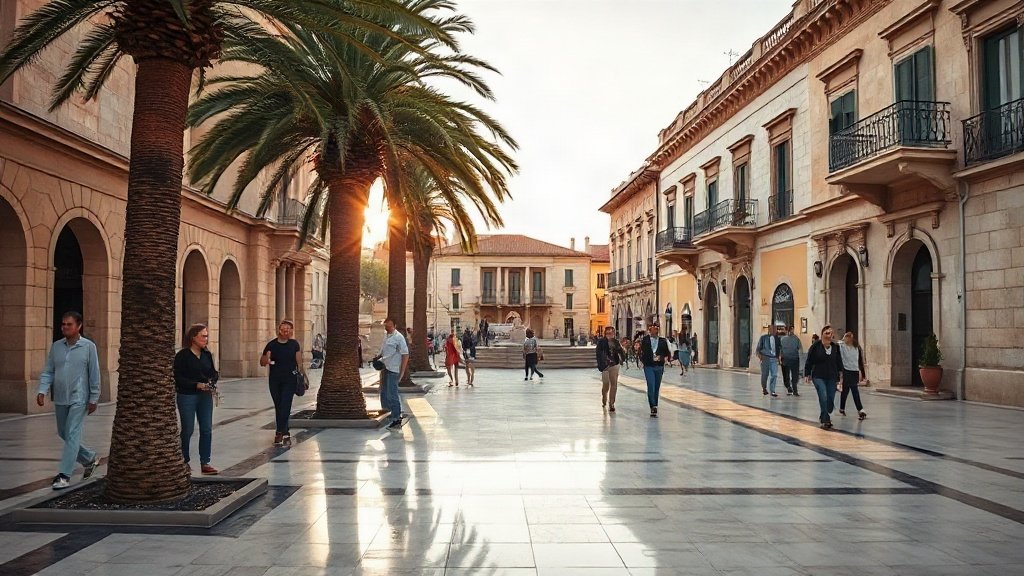
Illustration: AI-generated image
If you've ever wandered through a Croatian town on a sunny Sunday morning and wondered why everyone seems to be out walking in their finest clothes, you've witnessed špica. This cherished weekly ritual is less about walking and more about seeing and being seen—a social glue that has held Croatian communities together for generations.
What is špica?
Špica (pronounced shpee-tsa) comes from the German word Spitze, meaning "peak" or "point". It refers to the high point of the week's social calendar: a leisurely promenade along a town's main street or square. The tradition is strongest in Dalmatia and along the coast, but you'll find variations inland too.
At its heart, špica is a chance for locals to catch up with friends, greet neighbours, and show off a new outfit. It's a low-pressure way to stay connected in a society where family and community ties run deep.
Where and when does it happen?
Špica typically takes place on Sunday mornings, usually between about 10am and noon, after church or family breakfast. In coastal towns like Split, the action centres on the Riva, the palm-lined waterfront promenade. In Zagreb, it might be Cvjetni trg or Tkalčićeva Street. Smaller towns have their own favourite stretch—often the main square or a pedestrianised street.
Evening špica, especially in summer, is also common. As the heat of the day fades, people emerge again for another round of walking and socialising before dinner.
What to wear
Špica is an occasion to dress up, at least a little. Think smart casual: pressed shirts, dresses, polished shoes. You don't need formal wear, but avoid beach shorts and flip-flops. Locals take pride in their appearance, and dressing well shows respect for the occasion and the company.
Etiquette tips for joining in
- Walk slowly. This is not exercise. The pace is relaxed, with frequent stops to chat.
- Greet people you know. A simple "Dobar dan" (good day) is perfect. If you're introduced to someone, shake hands and make eye contact.
- Stop for a coffee. Many people end their špica with a coffee at a café along the route. This is the perfect chance to sit, watch the world go by, and extend the social time.
- Don't rush. Allow at least an hour. Špica is about savouring the moment, not getting somewhere.
Variations across Croatia
While the core idea is the same, each region has its own flavour. In Dalmatia, špica is often tied to the sea breeze and the scent of pine. In Istria, it might be part of a larger passeggiata that includes families with children and older generations. In Slavonia, the promenade may be shorter and more focused on the main square, with benches for resting and people-watching.
No matter where you are, participating in špica is a wonderful way to feel like a local. You'll see the town at its most vibrant, exchange smiles with strangers, and understand why this simple tradition has endured.