A Guide to the Feast of St. Martin in Croatia: Wine, Goose and Tradition
Discover how Croatia celebrates the Feast of St. Martin on November 11, with wine blessings, roast goose, and merry gatherings that mark the end of the harvest.
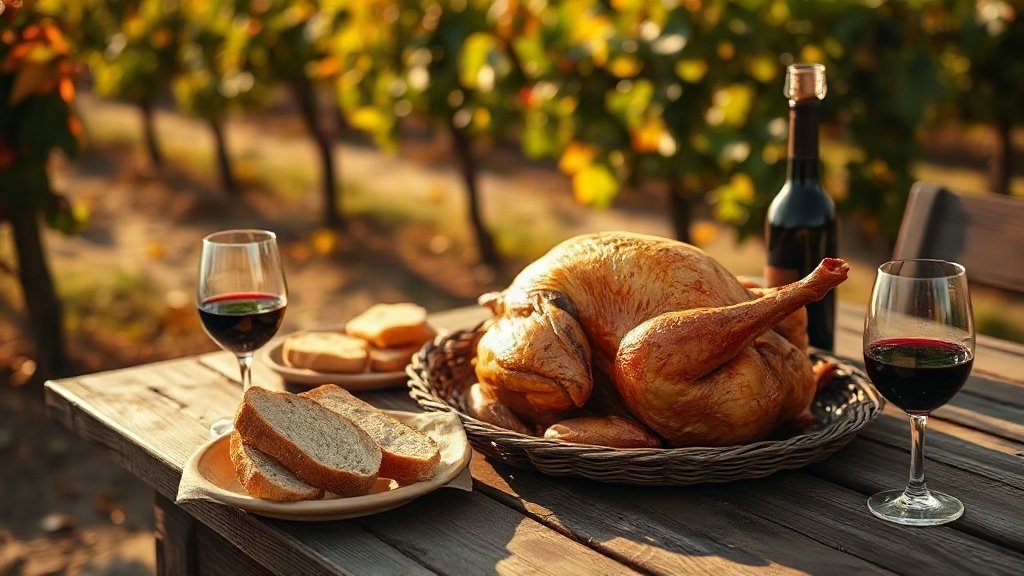
Illustration: AI-generated image
Every year on November 11, Croatia raises a glass to St. Martin. Known locally as Martinje, this feast day is one of the country’s most cherished autumn traditions. It marks the moment when young wine officially becomes wine, and it is celebrated with feasting, singing, and plenty of good cheer across vineyards, cellars, and family tables.
Rooted in both Christian tradition and pre-Christian harvest rituals, Martinje is a bridge between the season’s labour and the quiet of winter. For wine lovers and culture enthusiasts alike, it offers a delicious window into Croatian hospitality and heritage.
The Story Behind the Feast
St. Martin of Tours was a Roman soldier who became a monk and later a bishop. According to legend, he hid in a goose pen to avoid being ordained, but the honking geese gave him away. That tale is why roast goose is the traditional dish for his feast day. In Croatia, the religious aspect blends with older customs tied to the end of the grape harvest, when the must begins to turn into wine.
How Croatia Celebrates Martinje
The heart of the celebration is the "baptism" of young wine. In a playful ceremony, someone dressed as a bishop blesses the season’s new wine, officially declaring it fit to drink. Participants then taste the wine, often alongside roasted chestnuts, homemade bread, and other autumn treats. The atmosphere is lively, with folk music and dancing late into the evening.
The culinary star is roast goose served with mlinci—a traditional pasta made from thin sheets of dough that are boiled, then baked in the goose fat. It is a rich, comforting dish that pairs perfectly with the young wine, which is often still slightly cloudy and low in alcohol.
Where to Experience Martinje
Martinje is celebrated throughout Croatia, but the tradition is strongest in the northern and eastern regions, where winemaking is central to local identity. Wine roads in Međimurje, Slavonia, and the Croatian Uplands host public tastings and feasts. Many wineries open their doors for the occasion, offering visitors a chance to taste the new vintage straight from the barrel.
In villages, the celebration often begins with a procession to the local church, followed by a communal meal. Even in cities, restaurants and wine bars embrace the day with special menus and wine pairings.
Joining the Festivities
If you find yourself in Croatia on November 11, you can easily take part. Look for signs advertising "Martinje" at wineries and taverns. Dress for the season, bring an appetite, and be ready to raise your glass with a hearty "Živjeli!" (cheers). It is a joyful, informal celebration—no need for tickets or reservations in most rural areas, though larger events may fill up quickly.
Martinje is more than just a food and wine festival. It is a living link to Croatia’s agricultural past and a warm welcome to the colder months. For travellers and locals alike, it is a reminder that even as nature rests, there is reason to gather, give thanks, and celebrate the fruits of the earth.