A Slow Guide to Dugi Otok: Salt Lake, Cliffs and Quiet Beaches
Dugi Otok, near Zadar, offers a salt lake, dramatic cliffs and uncrowded beaches for a slower pace of travel.
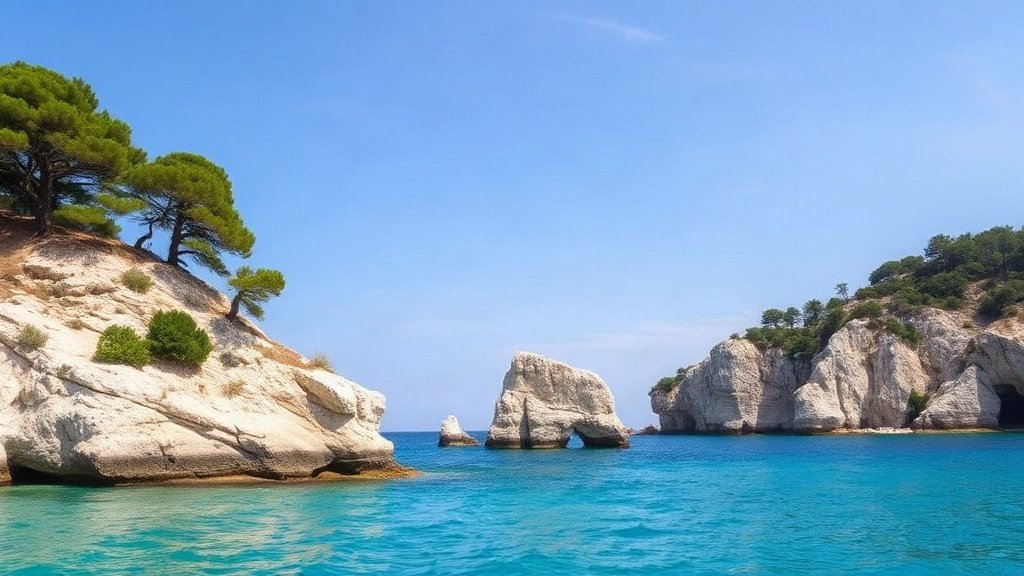
Illustration: AI-generated image
Dugi Otok — literally “Long Island” — stretches for 45 kilometres through the northern Dalmatian archipelago, a world away from the crowds of Split or Dubrovnik. Reached by regular car ferries from Zadar, it rewards travellers with a mix of wild nature, sleepy fishing villages and some of the clearest water in the Adriatic. If you are looking for a place to slow down, fill your days with long walks, swims and sunset views, Dugi Otok fits perfectly.
Getting There and Getting Around
Car ferries run frequently between Zadar and the island’s main port of Brbinj, with a journey time of around one and a half hours. A separate passenger-only ferry connects Zadar with the smaller harbour at Božava, on the island’s north-west coast. Once on the island, a local bus links the main villages, but to explore properly you will need your own car, a bicycle or a willingness to walk. The island’s main road runs along the spine, with side roads leading down to the sea. Distances are short, but the scenery encourages a leisurely pace.
Telašćica Nature Park
At the southern tip of the island lies Telašćica Nature Park, a protected area known for three dramatic features: the salt lake called Mir, the towering sea cliffs of Grpašćak, and the deep, sheltered bay of Telašćica itself. The lake Mir is warm, salty and calm — an unusual spot for a swim, with a muddy bottom that some believe has therapeutic properties. The cliffs rise up to 160 metres above the sea, and a walking trail follows the edge, offering sweeping views of the open Adriatic and the scattered Kornati islands. The bay is a popular anchorage for yachts, but even if you arrive by land, you can watch the boats come and go while enjoying a quiet afternoon.
Sakarun Beach
On the north-west coast, Sakarun is one of the Adriatic’s most photographed beaches: a long arc of fine white sand and pebbles, backed by pine trees and lapped by shallow, turquoise water. Because the beach faces south-west, it enjoys sun for most of the day. There are no big resorts here — just a simple beach bar in summer and plenty of space to spread out a towel. The water deepens very gradually, making it ideal for families and for anyone who enjoys wading rather than diving straight in. To avoid the midday heat, come early or stay late; the colour of the sea is especially beautiful in the late afternoon.
Quiet Villages and Coastal Walks
Away from the two main sights, Dugi Otok is dotted with small settlements where life moves at an unhurried rhythm. Sali, the largest village, clusters around a sheltered harbour and serves as a good base for supplies and meals. Božava, further north, is smaller and quieter, with a pleasant waterfront promenade. Between the villages, marked walking trails cross olive groves, drystone walls and pine forests, often revealing hidden coves reachable only on foot. The island’s interior is surprisingly green, and in spring the meadows fill with wildflowers. For a real sense of isolation, take a path down to the eastern shore, where the sea is often perfectly still.
When to Go
Dugi Otok is at its best from late May to early October, when the sea is warm enough for swimming and the ferries run most often. July and August bring the most visitors, but even then the island never feels crowded. Autumn is particularly lovely: the water remains warm into October, the light turns golden, and the trails are empty. Spring is ideal for walking and spotting wild orchids, though the sea may still be chilly. Winter is quiet, with many facilities closed, but the island’s raw, windswept landscapes have their own appeal for a day trip or a contemplative stay.