A Slow Guide to Lonjsko Polje: Storks and Wetland Wilderness
Discover Croatia's largest protected wetland, where white storks nest on wooden roofs and traditional Posavina life continues.

Illustration: AI-generated image
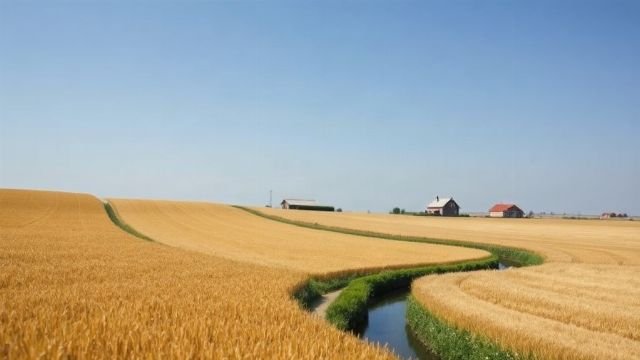
Lonjsko Polje Nature Park, about an hour southeast of Zagreb, is one of Europe's largest and best-preserved floodplains. Straddling the Sava River, this vast wetland landscape of oak forests, damp meadows and old oxbow lakes offers a peaceful escape from Croatia's busier coast.
The Stork Village of Čigoć
The small village of Čigoć has earned the title of European Stork Village. Each spring, dozens of white storks return to nest on the wooden roofs and chimneys of traditional Posavina houses. The birds are so accustomed to people that you can watch them from just a few metres away. For the best experience, bring binoculars and visit in May or June when chicks are in the nests.
Traditional Posavina Architecture
Lonjsko Polje is also known for its unique wooden houses. Built from oak, these two-storey homes have steep thatched roofs and overhanging porches, designed to withstand frequent flooding. Some houses in villages like Krapje and Mužilovčica are protected as cultural monuments. Walking through these quiet settlements feels like stepping back a century.
Exploring the Park
The park offers several waymarked trails for walking and cycling. The flat terrain makes it suitable for all fitness levels. A popular route follows the Sava River dyke, offering wide views of the floodplain. In the wetlands, you might spot herons, egrets, spoonbills and even white-tailed eagles. The Posavina horse, an indigenous breed, grazes freely in the meadows.
Guided boat tours along the Sava and its backwaters provide a different perspective and are available from local operators. It is worth checking with the park visitor centre for current information.
Practical Information
- Getting there: The park is accessible by car from Zagreb via the A3 motorway and the towns of Sisak and Kutina. There is limited public transport, so driving is the easiest option.
- Best time to visit: Spring (April–June) for storks and flooding, or autumn for golden colours and fewer insects.
- What to bring: Comfortable walking shoes, insect repellent, binoculars and a camera.
Lonjsko Polje is not on the usual tourist trail, but its blend of wildlife, traditional culture and quiet landscapes makes it a rewarding destination for slow travellers looking to see another side of Croatia.