Doing Business in Slavonia: A Guide for Entrepreneurs and Investors
Slavonia offers fertile land, strategic transport links, and lower operating costs. Here’s what you need to know before starting a business in eastern Croatia.
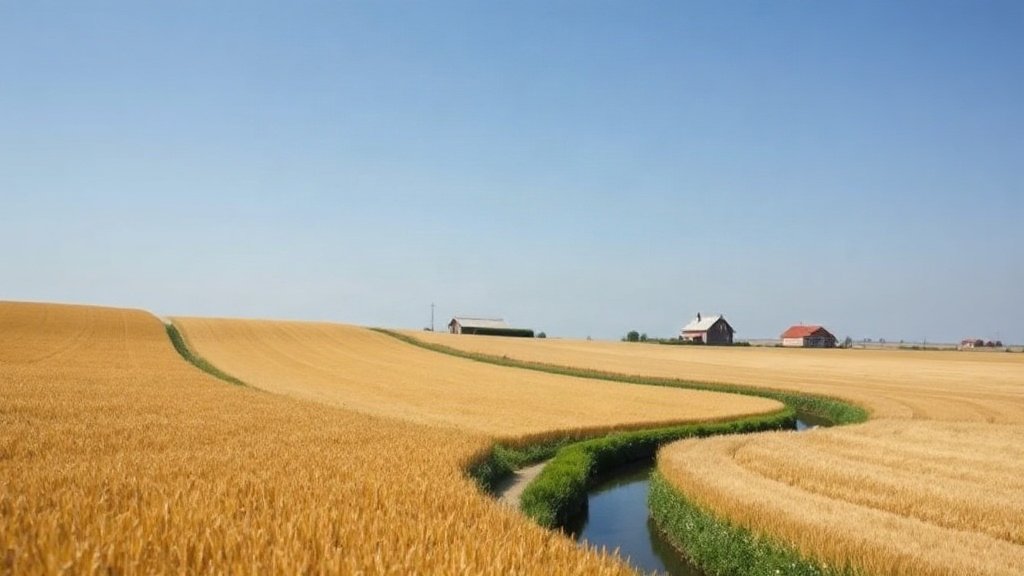
Illustration: AI-generated image
Slavonia, the easternmost region of Croatia, is often overlooked by investors in favour of the coast. Yet this flat, fertile land between the Drava, Sava, and Danube rivers offers distinct advantages for businesses in agriculture, food processing, logistics, and manufacturing. With lower operating costs, strong transport links, and access to EU funding, Slavonia is becoming an increasingly attractive destination for entrepreneurs.
Why Consider Slavonia?
Slavonia is Croatia's agricultural heartland, producing wheat, corn, sugar beet, and livestock. The region benefits from abundant arable land, a long tradition of farming, and a skilled workforce in food production. Compared to Zagreb or the Adriatic coast, the cost of land, rents, and labour is significantly lower, which can improve profit margins. Moreover, Slavonia's central position in Southeast Europe makes it a natural logistics hub, with easy access to Hungary, Serbia, and Bosnia and Herzegovina.
Key Industries and Opportunities
Agriculture remains the backbone of the Slavonian economy, but there is growing potential in agro-processing, such as converting raw crops into finished food products. The region is also known for wood processing and furniture manufacturing, thanks to its forests. Manufacturing of metal products and machinery is present in cities like Osijek and Slavonski Brod. In recent years, rural tourism, wine production, and gastronomy have emerged as promising sectors, drawing on Slavonia's rich culinary heritage and natural landscapes.
Infrastructure and Connectivity
Slavonia is well connected by road and rail. The A3 motorway runs east–west, linking Zagreb to the Serbian border, while the A5 connects Osijek to the Hungarian border. The Port of Vukovar on the Danube provides a river transport route to the Black Sea, and the region has several railway lines for freight. Osijek Airport offers limited passenger flights, but the proximity to larger airports in Zagreb and Belgrade is a practical option for business travel.
Business Environment and Support
Local development agencies and entrepreneurial centres in Osijek, Vukovar, and other towns provide information and assistance to investors. Croatia's membership in the European Union means that businesses in Slavonia can apply for various EU structural and rural development funds. Many municipalities have designated business zones with ready infrastructure, and the region's universities, such as Josip Juraj Strossmayer University in Osijek, supply a steady stream of graduates in agriculture, engineering, and economics.
Getting Started
- Conduct market research to identify demand for your product or service in the region and neighbouring markets.
- Choose a location based on your needs—proximity to transport, agricultural land, or urban centres.
- Register your company with the relevant Croatian authorities, typically as a d.o.o. (limited liability company) or obrt (craft/trade).
- Secure premises in a business zone or commercial area, and explore available incentives at local and national level.
- Hire staff from the local labour pool, which includes skilled workers in agriculture, manufacturing, and logistics.
Slavonia may not have the glamour of the coast, but for businesses that value low costs, strategic location, and genuine growth potential, it deserves serious consideration.