A Practical Guide to Croatian Public Holidays: What Closes and How to Plan
From Independence Day to Assumption, Croatia's public holidays blend national pride and religious tradition. Here's what to expect and how to navigate closures.
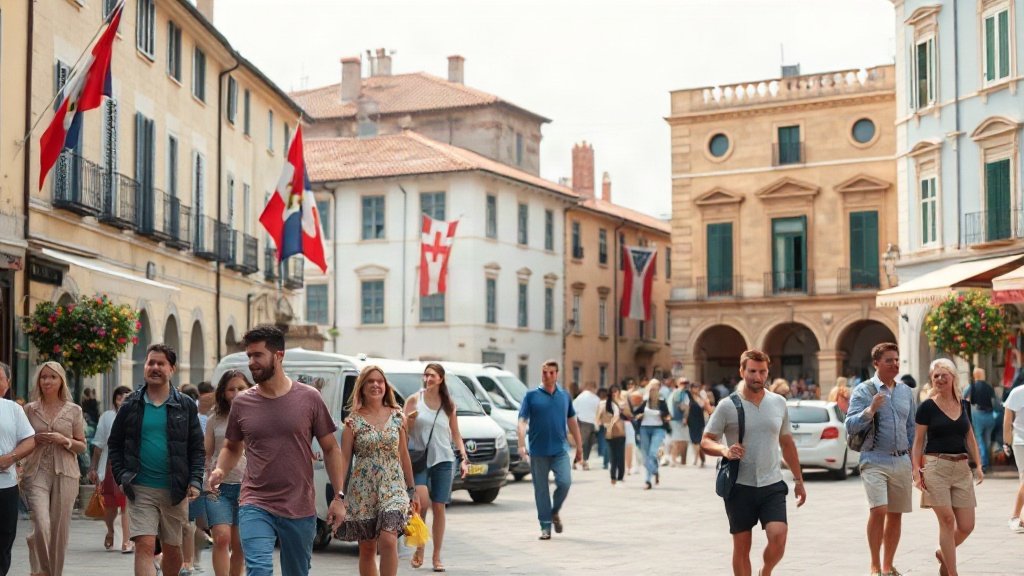
Illustration: AI-generated image
Croatia observes a mix of state and religious public holidays throughout the year. Many are tied to the Catholic calendar, while others mark important moments in the nation's history. Knowing which days are public holidays—and how they affect daily life—can help you plan your errands, travel and social engagements.
The main public holidays
Fixed-date national holidays include:
- New Year's Day (1 January) – a quiet start to the year, often spent with family.
- Epiphany (6 January) – celebrates the visit of the Magi; in some regions, children receive small gifts.
- Labour Day (1 May) – a day for workers, often marked by outdoor gatherings and picnics.
- Statehood Day (30 May) – commemorates the constitution of the first modern Croatian parliament in 1990.
- Anti-Fascist Struggle Day (22 June) – honours the 1941 uprising against occupation.
- Victory and Homeland Thanksgiving Day and Croatian Defenders Day (5 August) – marks the military operation that ended the war in 1995.
- Assumption of Mary (15 August) – a major Catholic feast, with many attending church services.
- All Saints' Day (1 November) – families visit cemeteries to honour the deceased.
- Christmas (25 December) and St. Stephen's Day (26 December) – two days of feasting and family gatherings.
Movable holidays based on the liturgical calendar include Easter Monday and Corpus Christi, both of which fall on different dates each year. Independence Day (8 October) is a memorial day but not a public holiday, so businesses remain open.
What to expect on a public holiday
On public holidays, most government offices, banks, post offices and schools are closed. Many shops and supermarkets also close, especially on major religious holidays like Christmas and Easter. Some smaller convenience stores and petrol stations may remain open, but it is best not to rely on them. Public transport often runs on a reduced or Sunday schedule, so plan your journeys in advance. Restaurants and cafes in tourist areas may stay open, but in smaller towns they might close for the day or operate with limited hours.
Tips for planning around holidays
- Check local notices: municipalities may declare additional non-working days if a holiday falls near a weekend, creating a long weekend.
- Stock up on groceries the day before, as large supermarkets tend to close early or not open at all.
- If you need to visit a doctor or pharmacy, be aware that emergency services remain available, but regular clinics may be closed.
- Respect local customs: on All Saints' Day, for example, it is common to bring flowers or candles to cemeteries, and traffic near graveyards can be heavy.
- Embrace the slower pace: public holidays are a time for rest and family, so joining in local celebrations—such as outdoor concerts on Statehood Day—can be a rewarding cultural experience.
By knowing the holiday calendar, you can plan ahead and make the most of these special days in Croatia.