Doing Business in Dalmatia: A Guide for Entrepreneurs and Investors
Dalmatia offers more than tourism: discover the region's key industries, infrastructure and practical considerations for setting up a business along Croatia's southern coast.
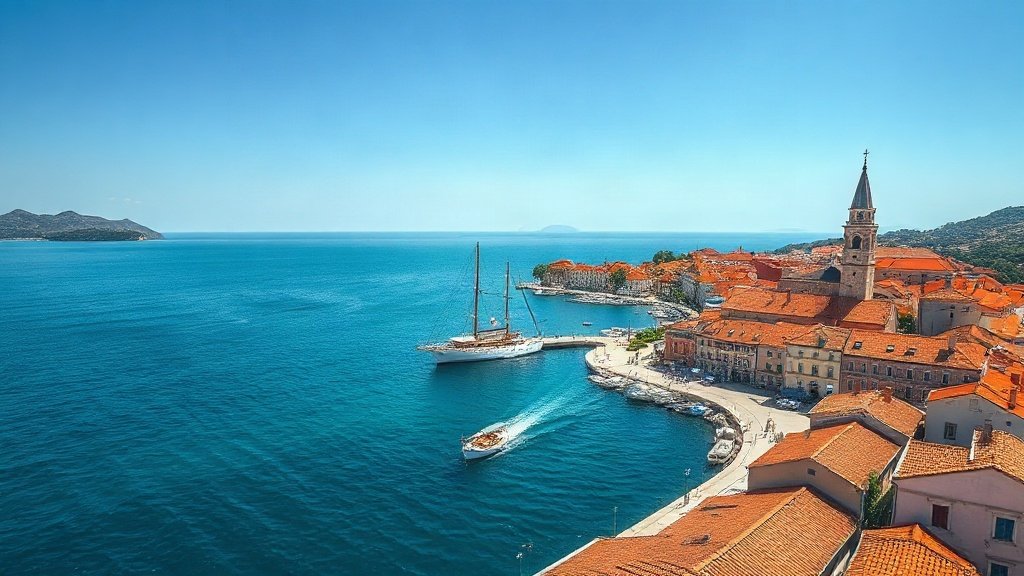
Illustration: AI-generated image
Dalmatia, Croatia's southern coastal region, is often associated with sun, sea and tourism. Yet behind the postcard images lies a diverse and evolving business landscape. From Split's growing tech scene to the agricultural heartlands of the hinterland, Dalmatia offers opportunities for entrepreneurs willing to look beyond the obvious. This guide provides a practical overview for anyone considering doing business in this dynamic part of Croatia.
Key Industries
Tourism remains the dominant economic force, but Dalmatia's economy is more varied than many assume. Key sectors include:
- Tourism and hospitality: Hotels, restaurants, nautical tourism and private accommodation drive employment and investment, though with strong seasonality.
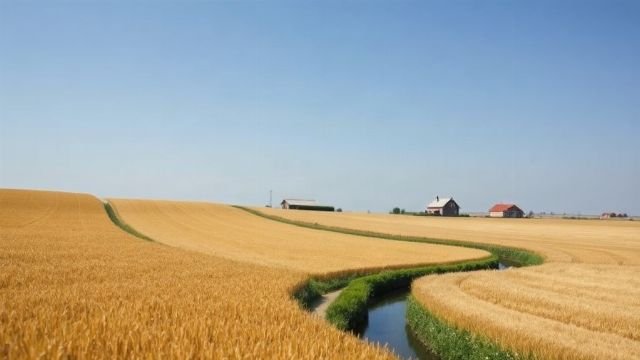
- Agriculture and food processing: Olive oil, wine, figs, citrus and maraschino cherries are traditional products with growing export potential.
- Maritime and shipbuilding: Historic shipyards have modernised, focusing on smaller vessels, repairs and niche construction.
- IT and creative industries: Cities like Split and Zadar have seen a rise in software development, digital marketing and design agencies, often serving international clients.
- Real estate and construction: Driven by tourism demand and urban renewal, this sector offers opportunities in development, renovation and property management.
Infrastructure and Connectivity
Dalmatia benefits from improving transport links that facilitate business operations:
- Ports: Split, Zadar, Šibenik and Ploče handle passenger and cargo traffic, connecting the region to Italian and other Mediterranean ports.
- Airports: International airports in Split, Zadar and Dubrovnik provide direct flights to major European cities, with seasonal variations.
- Motorway A1: The modern highway connects Dalmatia to Zagreb and northern Europe, reducing travel times significantly.
- Ferry network: Extensive ferry and catamaran services link the mainland to the islands, essential for island-based businesses.
Business Environment
Dalmatia's business climate reflects both its Mediterranean character and Croatia's EU membership. Regional development agencies and local chambers of commerce offer support and information for investors. Many municipalities have designated business zones with prepared land and utility connections. The workforce is generally well-educated, particularly in Split and Zadar, though skilled workers sometimes migrate to other parts of Croatia or abroad. While overall costs can be lower than in Zagreb, tourism-driven demand can raise prices in coastal areas during the summer.
Practical Steps
If you plan to establish a business in Dalmatia, consider the following:
- Choose your location carefully: Split is the regional economic hub, Zadar is growing rapidly, Dubrovnik focuses on premium tourism, and the islands suit niche or remote-friendly ventures.
- Register your company: The process is the same as elsewhere in Croatia – either online or through a notary – with the local commercial court.
- Obtain necessary permits: Tourism-related activities, food production and construction often require specific licences from local or national authorities.
- Engage with local networks: The Croatian Chamber of Economy has regional offices in Split, Zadar and Dubrovnik, offering networking events and market intelligence.
- Understand seasonality: Many businesses experience significant fluctuations; planning for the off-season is essential for long-term sustainability.
Dalmatia is more than a holiday destination. With its strategic location, improving infrastructure and a growing entrepreneurial spirit, it offers a compelling environment for a wide range of business activities. By understanding the regional specifics and connecting with local partners, entrepreneurs can find rewarding opportunities along Croatia's southern coast.