A Slow Guide to Pag: Moonscape, Cheese and Lace
Discover the island of Pag, where a stark lunar landscape meets a rich tradition of cheese-making, intricate lace and some of the Adriatic's most unusual beaches.
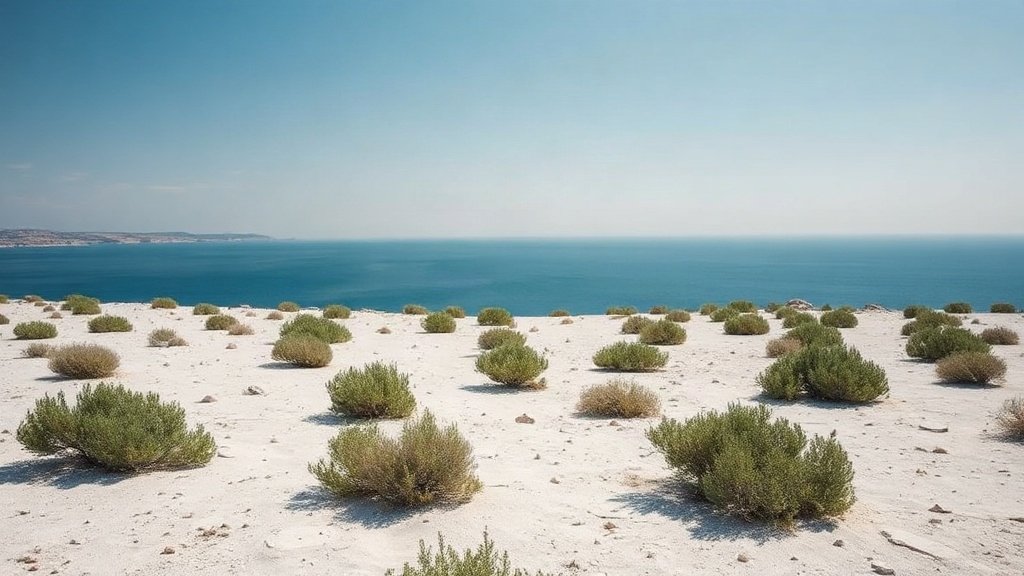
Illustration: AI-generated image
Connected to the mainland by a bridge and reached by ferry from the north, the island of Pag stretches long and thin along Croatia's northern Dalmatian coast. Its stark, rocky terrain has often been compared to the surface of the moon – a surprising contrast to the lush greenery found on many Adriatic islands. Yet this barren beauty is exactly what makes Pag so memorable, along with two world-famous local products: paški sir (Pag cheese) and paška čipka (Pag lace).
A landscape like no other
The island's distinctive character comes from the strong bura wind that sweeps down from the Velebit mountains. Over centuries, it has stripped the soil from much of the island, leaving behind white karst rock and sparse, salt-tolerant vegetation. The result is a surreal, almost lunar expanse, especially around the central and eastern parts. In contrast, the western side facing the mainland is greener and more sheltered. Driving or cycling across the island reveals dramatic shifts in scenery within just a few kilometres.
Cheese and lace: traditions worth savouring
Pag cheese is one of Croatia's most celebrated foods. Made from the milk of the island's indigenous sheep, which graze on wild herbs like sage and immortelle, the cheese has a distinctive sharp, slightly salty flavour. It is hard, granular and often grated over pasta or enjoyed with local prosciutto. Many family farms and dairies across the island welcome visitors for tastings, though it is wise to arrange visits in advance.
Equally precious is Pag lace, a delicate needlework tradition recognised by UNESCO. Created by local women using a needle and thread, the lace is known for its geometric patterns and remarkable fineness. The town of Pag has a long history of lace-making, and visitors can see examples in the local museum or watch demonstrations during cultural events. Purchasing lace directly from the women who make it helps keep the tradition alive.
Beaches and swimming
While much of Pag's coast is rocky, there are plenty of places to swim. The island is famous for its pebble beaches, particularly around the town of Pag and along the long bay of Pag. The water is typically crystal clear, and many coves are accessible only by boat or on foot. For those seeking lively summer nightlife, the beach at Zrće near Novalja is well known, but quieter spots are easy to find elsewhere on the island. The shallow bay near the town of Pag is especially good for families.
Practical tips
- Getting there: A bridge connects the southern end of the island to the mainland near Posedarje, while a ferry runs between Prizna on the mainland and Žigljen in the north.
- Getting around: A car is the most convenient way to explore, but local buses connect the main towns. The island is about 60 km long, so distances matter.
- When to go: Summer is best for swimming, but spring and early autumn offer pleasant temperatures and far fewer crowds. The bura wind can be strong in winter, so bring layers.
- What to buy: Look for authentic Pag cheese and lace, but be sure to buy from reputable producers to ensure quality and authenticity.
Whether you come for the lunar landscape, the culinary treasures or simply a slower pace of island life, Pag offers a side of Croatia that feels raw, authentic and quietly captivating.