A Slow Guide to Silba: Croatia's Car-Free Island Escape
Silba is a small, car-free island in the Zadar archipelago, perfect for a peaceful holiday of swimming, walking and star-gazing.

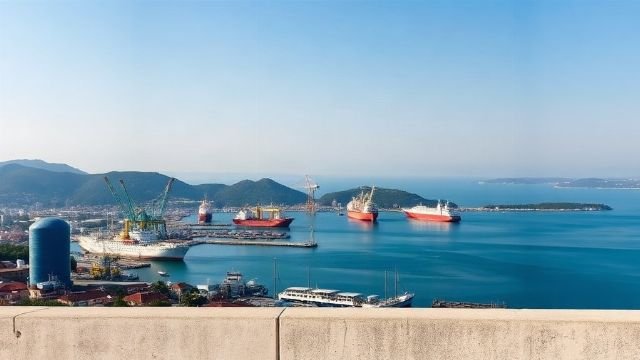
Illustration: AI-generated image
Silba is one of those rare places that seems to have pressed pause on the modern world. Part of the Zadar archipelago in northern Dalmatia, this small island has been car-free for decades, making it a haven for anyone seeking a truly peaceful escape. Its single village, with its white stone houses and narrow lanes, tumbles gently towards a turquoise sea, while pine forests and olive groves cover the interior. If your idea of a perfect holiday involves long walks, quiet coves and star-filled nights, Silba deserves a spot on your list.
Getting to Silba
Silba is reached by ferry or catamaran, most commonly from Zadar on the mainland. The journey takes between one and two hours depending on the vessel, and services run year-round, with more frequent departures in summer. It is also possible to reach the island from other nearby islands such as Lošinj or Pag during the high season. As vehicles are not permitted for visitors, you will leave your car behind in Zadar and travel on foot or by bicycle once you arrive. The island is small enough to explore entirely on foot, and the flat terrain makes cycling a breeze for those who bring or rent a bike.
Things to Do on Silba
The island's most distinctive landmark is the Toreta, a slender hexagonal tower built in 1872 by a local sea captain as a token of love for his fiancée. You can climb its spiral staircase for a sweeping view over the island and the surrounding sea. The village itself is a delight to wander, with its stone houses, small churches and fragrant gardens. Stop by the parish church of the Assumption of Mary, which dates back to the 17th century. For a dose of local history, visit the small maritime museum, housed in the old school building, which tells the story of Silba's seafaring past.
Beaches and Swimming Spots
Silba's coastline is a mix of pebble and rocky coves, all within easy walking distance of the village. Pocukmarak, on the south side, is one of the most popular spots, with its clear, shallow water and pine trees offering shade. On the west coast, Sotorišće Bay provides a wider stretch of beach and some of the island's best sunsets. For a sense of adventure, follow the footpaths along the shore to discover smaller, more secluded coves where you might have the sea all to yourself. The water is exceptionally clean and calm, ideal for snorkelling.
Where to Stay and Eat
Accommodation on Silba consists mainly of private apartments and rooms in local homes, many of which are available to rent during the summer months. There is also a small campsite on the island's northern edge. Advance booking is strongly recommended for July and August, as capacity is limited. Dining options are modest, with a handful of family-run konobas serving fresh seafood, grilled meats and local wine. Reservations are often needed in peak season. There is a small grocery shop for basic supplies, but it is wise to bring any speciality items with you from the mainland.
Practical Tips for Your Visit
The best time to visit Silba is from May to October, when the weather is warm and the sea inviting. July and August are the busiest months, while June and September offer a quieter experience with still-pleasant conditions. Because there are no street lights, the island is wonderfully dark at night—bring a torch for evening strolls and prepare to be amazed by the stars. There is no bank on the island, and credit cards are not accepted everywhere, so carry enough cash for your stay. The local culture is relaxed and respectful; observe quiet hours in the village and keep noise to a minimum after dark.