A Slow Guide to the Elaphiti Islands: A Day Trip from Dubrovnik
Just a short ferry ride from Dubrovnik, the Elaphiti Islands offer car-free villages, pine-shaded beaches and walking trails that feel a world away from the city crowds.
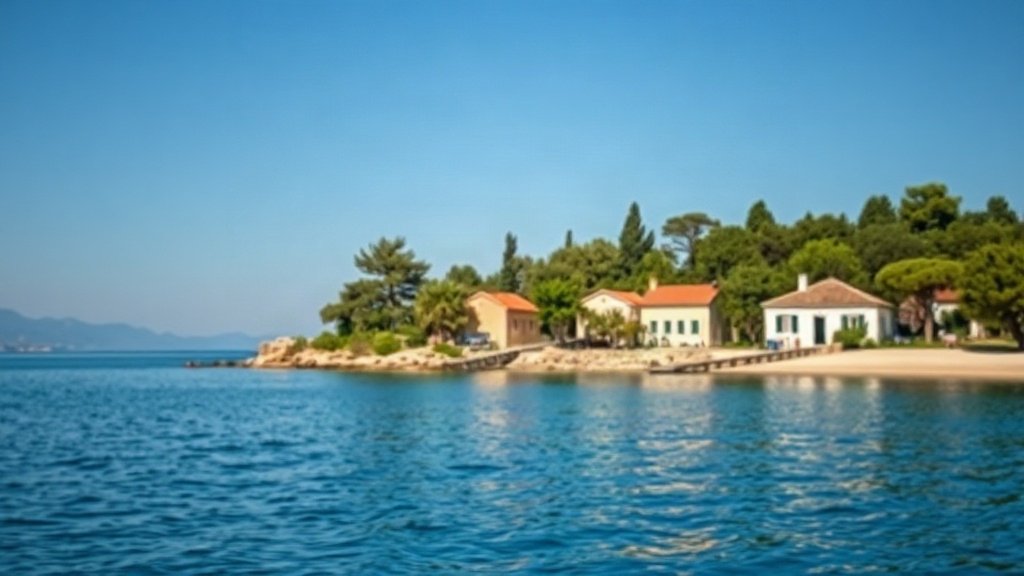
Illustration: AI-generated image
Just a short ferry ride from the bustle of Dubrovnik, the Elaphiti Islands are a string of green, car-free isles that feel like a different world. The archipelago includes thirteen islands, but only three are inhabited: Koločep, Lopud and Šipan. Together they offer a perfect slow day trip of pine-shaded walks, quiet coves and village charm without the crowds of the mainland.
Getting there
Regular passenger ferries connect Dubrovnik's main port of Gruž with all three islands. The journey takes between 30 and 60 minutes depending on your destination. There are no bridges and no cars on Koločep or Lopud, while Šipan has very limited traffic. This means you explore on foot, by bicycle or by local boat, which only adds to the unhurried atmosphere.
Koločep: the closest escape
The nearest island to Dubrovnik, Koločep is often called Kalamota by locals. It is small enough to walk around in a couple of hours. Two villages, Gornje Čelo and Donje Čelo, sit on opposite sides of the island and are linked by a shady path through pine forest and past dramatic cliffs. The coastline is dotted with tiny coves perfect for a quiet swim, and there are no busy roads anywhere.
Lopud: sandy beaches and historic charm
Lopud is the most visited of the Elaphiti Islands, famous for Šunj, a rare sandy beach on the island's southern side. A gentle walk over the hill or a short ride in a golf cart brings you to the wide bay, where the shallow water is ideal for families. Back in the main village, the long waterfront promenade is lined with stone houses and cafés. A ruined Franciscan monastery and a 15th-century summer residence hint at Lopud's past as a retreat for Dubrovnik's nobility.
Šipan: the largest and greenest
Šipan is the biggest of the group and has a more lived-in feel, with olive groves, vineyards and two main settlements. Šipanska Luka is a sheltered harbour village with a relaxed waterside setting, while Suđurađ is known for its Renaissance castle and stone streets. The island has several marked walking trails that pass through farmland and along the coast, offering long views over the sea to the other islands.
Planning a slow day
The Elaphiti Islands are best enjoyed without a strict agenda. Ferries run throughout the day, but it is wise to check the timetable in advance and give yourself plenty of time to return. The islands have few shops and restaurants outside the main villages, so pack water and a light lunch if you plan to walk the more remote paths. Spring and early autumn offer mild temperatures and blooming landscapes, while summer brings warm seas and a livelier atmosphere, though never overwhelming.
Whether you choose one island or manage to hop between two, the Elaphiti Islands provide an easy, rewarding taste of Dalmatia's quieter side.