A Slow Guide to the Neretva Valley: Tangerines, Wetlands and Delta Life
Discover Croatia's fertile south: a labyrinth of waterways, mandarin groves and traditional boats, just a short drive from Dubrovnik.
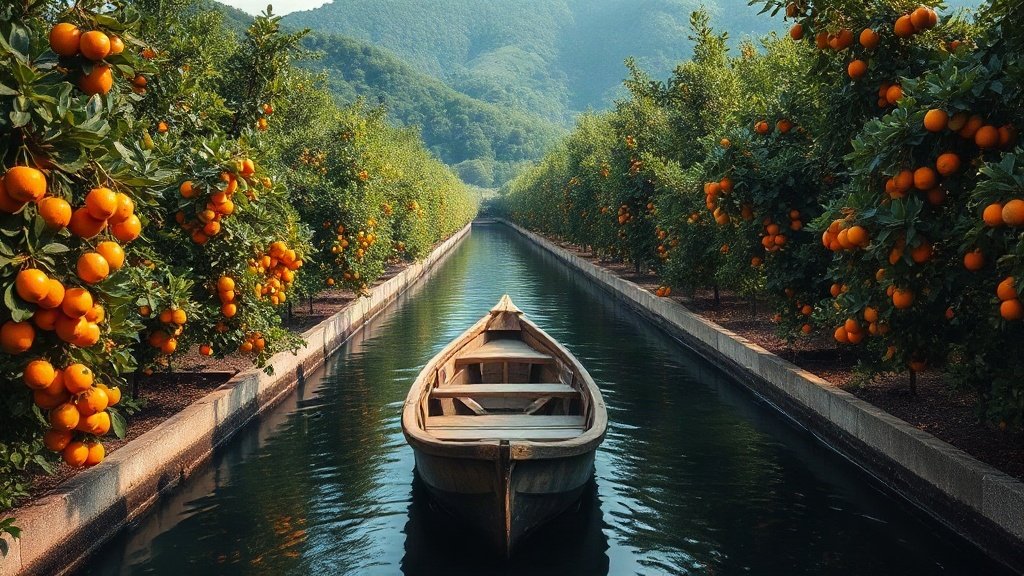
Illustration: AI-generated image
The Neretva Valley is Croatia's unexpected garden. Tucked between the karst mountains of southern Dalmatia, this flat, green delta feels a world away from the rocky coast. Here the Neretva River slows and spreads into a maze of channels, reed beds and orchards, creating a landscape more reminiscent of the Nile than the Adriatic. It's a place for slow travel, local flavours and a glimpse of a traditional way of life that is disappearing elsewhere.
Where the river meets the sea
The valley stretches from the town of Metković, near the Bosnia and Herzegovina border, down to the sea at Ploče. Between them, the river splits into countless branches, forming one of the largest wetlands in the Mediterranean. This fertile delta has been shaped by centuries of human labour: farmers built embankments, dug channels and planted tangerine trees on reclaimed land. Today, the valley is Croatia's main producer of mandarins (tangerines), and every autumn the trees hang heavy with bright orange fruit.
Getting there and around
The Neretva Valley is easily reached by car. From Dubrovnik, take the A1 motorway north and exit at Ploče, then follow the signs for Metković or Opuzen; the drive takes about 1.5 hours. From Split, it's roughly a two-hour drive south. The coastal road (D8) also passes through the area, offering scenic views over the delta. Once there, a car is useful for exploring the scattered villages, but the best way to appreciate the landscape is by boat. Local operators run slow cruises along the canals, gliding past tangerine groves and traditional wooden huts.
Exploring the delta
The heart of the valley is a protected nature area, home to over 300 bird species. Spring and autumn are prime birdwatching seasons, when migrating waders, herons and egrets stop over in the shallow lagoons. Even a short walk along the embankments can reveal kingfishers, marsh harriers and the occasional purple heron. For a closer look, join a boat trip from Metković or Opuzen; knowledgeable local guides explain the unique ecosystem and point out wildlife. Don't miss the traditional lađa boats – flat-bottomed wooden vessels once used for transport and now celebrated in an annual marathon race along the river.
Local flavours to try
The Neretva Valley is a food lover's paradise. Mandarin oranges are the star: visit in October or November to see the harvest and taste fruit straight from the tree. The delta's wetlands also provide eel and frogs, prepared in traditional ways – eel stew (brudet) and frog legs are local specialities. Pair them with a glass of white wine from the valley's small vineyards, or try pršut (prosciutto) from the nearby hinterland. Markets in Metković and Opuzen sell local honey, olive oil and seasonal produce; it's the perfect place to stock up for a picnic by the water.
When to visit
Every season has its charm. Spring brings mild weather and the peak of bird migration, with wildflowers blooming along the riverbanks. Summer is hot and sunny, ideal for early morning boat rides and lazy afternoons in the shade of a riverside café. Autumn is harvest time, when the valley turns orange and the air smells of citrus. Winter is quiet and green, with fewer visitors and a peaceful atmosphere. Whenever you go, bring insect repellent – the wetlands are home to mosquitoes, especially in the warmer months.
The Neretva Valley rewards travellers who slow down. Rent a bike, follow a canal path, or simply sit by the river and watch the boats go by. It's a side of Croatia that few tourists see, but one that lingers long after you leave.