Bećarac: A Guide to Croatia's Humorous Folk Song from Slavonia
Discover the witty, improvised verses of bećarac, a beloved vocal tradition from eastern Croatia that has earned UNESCO recognition.
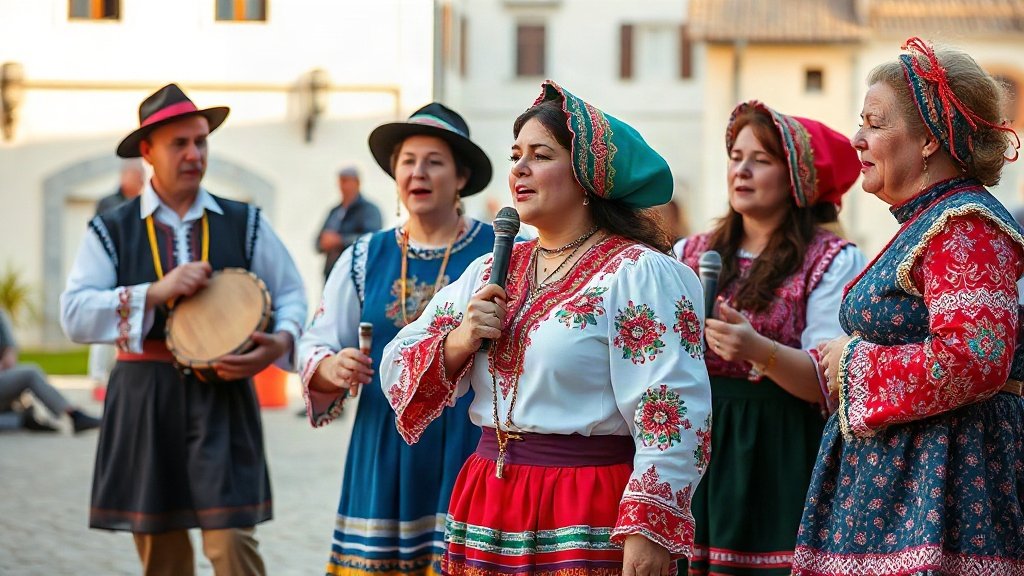
Illustration: AI-generated image
If you spend any time in eastern Croatia, especially in the region of Slavonia, you are likely to hear a burst of laughter followed by a short, catchy melody sung by a group of friends. That is bećarac, a traditional form of humorous folk song that has been a part of local culture for centuries. In 2011, UNESCO recognised bećarac as an element of the intangible cultural heritage of humanity, cementing its place as a living tradition worth celebrating.
What is bećarac?
Bećarac is a vocal genre performed predominantly by men, though women also take part. It consists of a ten-verse couplet, usually sung in a call-and-response manner. The lyrics are often improvised, witty, and sometimes satirical, touching on everyday life, love, local events, or friendly teasing. The word bećarac derives from bećar, a term for a bachelor or a carefree young man, reflecting the song's playful and often irreverent spirit.
Musical style and performance
Musically, bećarac is simple yet distinctive. It is typically sung unaccompanied, though it may be supported by a tamburitza ensemble, the traditional string instrument of the region. The melody is usually in a major key and follows a pattern that is easy to remember, allowing singers to focus on the cleverness of the lyrics. Performances often take place at social gatherings, weddings, festivals, and informal get-togethers. A skilled bećarac singer can improvise verses on the spot, responding to the audience or other singers in a friendly verbal duel.
The art of improvisation
What makes bećarac truly special is its spontaneous nature. Singers draw on a stock of traditional themes and formulas but adapt them to the moment. A good bećarac can make people laugh, blush, or think, all within a few seconds. The verses are often risqué but rarely cross into outright offensiveness, relying on double entendre and clever wordplay. This improvisational skill is passed down through generations, and younger singers learn by listening to elders and gradually joining in.
Where to experience bećarac
If you want to hear authentic bećarac, the best opportunities are in Slavonian towns and villages, particularly during local festivals, cultural evenings, or wedding celebrations. While you may not find scheduled performances in tourist offices, asking locals or checking community event listings can lead you to a memorable experience. The region's folklore groups often include bećarac in their repertoire, and many welcome visitors to observe and enjoy.
Bećarac is more than just a song; it is a window into the soul of Slavonia: warm, humorous, and deeply rooted in community. Listening to it, even without understanding every word, offers a joyful connection to Croatia's living heritage.