Black Risotto: A Guide to Croatia's Inky Seafood Delicacy
Discover crni rižot, the Dalmatian classic that turns rice pitch-black with squid ink and packs a briny punch of the Adriatic.
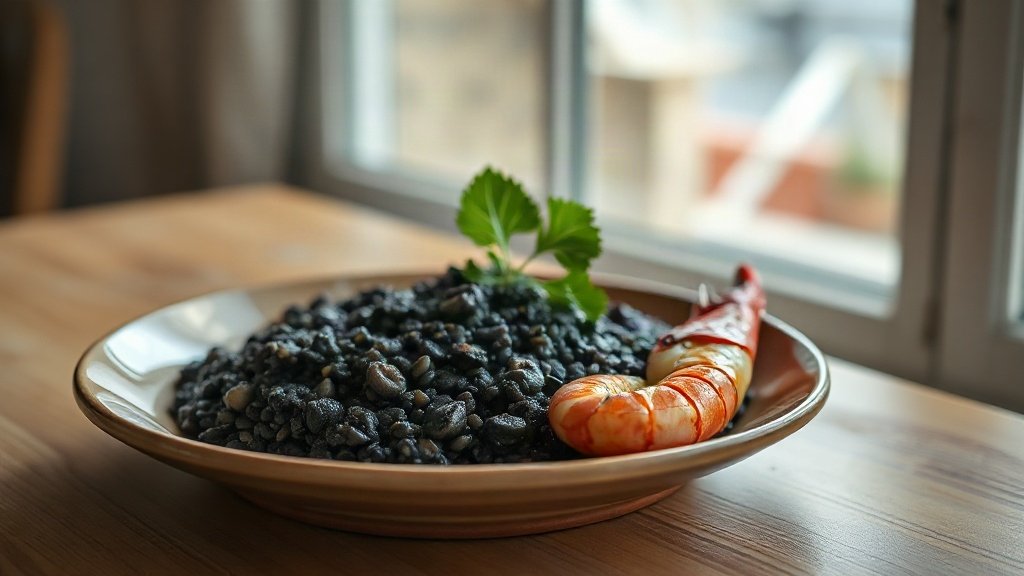
Illustration: AI-generated image
Along Croatia's sun-drenched coast, few dishes capture the essence of the Adriatic like crni rižot—black risotto. This striking plate, coloured a deep, glossy black by squid or cuttlefish ink, is a staple of Dalmatian konobas and family tables alike. It's a dish that divides first-timers with its dramatic appearance but wins over nearly everyone with its rich, briny flavour.
What Exactly Is Black Risotto?
At its heart, black risotto is a seafood risotto. The rice is cooked slowly with fish stock, white wine, garlic, onion, and often a mix of seafood such as squid, cuttlefish, mussels, or prawns. The defining ingredient, however, is the ink from squid or cuttlefish, which gives the dish its signature colour and a subtle, sea-sweet umami. The texture should be creamy, not soupy, with each grain of rice coated in the inky sauce.
A Dish Born from the Sea
Black risotto has deep roots in Dalmatian culinary tradition, where nothing from the sea goes to waste. Fishermen would use the ink sacs from their catch to add flavour and colour to a simple rice dish, turning humble ingredients into something special. Over time, it became a beloved classic, found in almost every coastal restaurant from Zadar to Dubrovnik, and even on the islands. It's often served as a primo piatto, or first course, but a generous portion can easily stand as a main.
How Black Risotto Is Made
Making black risotto at home is a rewarding project, though it requires a bit of patience. Here's a basic outline of the process:
- Prepare the stock: A good fish or seafood stock is essential. Simmer fish bones, shrimp shells, and aromatics for about 30 minutes, then strain.
- Sauté the base: In a wide pan, soften finely chopped onion and garlic in olive oil. Add the rice (traditionally a starchy variety like Arborio or Carnaroli) and toast briefly until translucent.
- Deglaze and add liquid: Pour in a splash of white wine and let it evaporate. Then begin adding the warm stock, one ladle at a time, stirring frequently.
- Add seafood and ink: Midway through cooking, add your chosen seafood (squid, cuttlefish, or shrimp) and the squid ink. The ink can be fresh from squid or purchased in small sachets.
- Finish and rest: When the rice is al dente and creamy, remove from heat, stir in a knob of butter or a drizzle of olive oil, and let it rest for a minute before serving.
The result is a dish that is as beautiful as it is delicious—jet-black against a white plate, often garnished with a sprig of parsley or a few whole prawns.
Where and How to Enjoy It
While you can find black risotto in many parts of Croatia, it's at its best along the Dalmatian coast. Look for it in traditional konobas (taverns) rather than tourist-oriented spots, where it may be more authentic. It pairs beautifully with a crisp white wine, such as Pošip or Malvazija, which cuts through the richness. Be warned: the ink will temporarily stain your teeth and lips black—locals consider it a badge of honour and a sign of a good meal. Don't be shy; just enjoy it with a smile.
Black risotto is more than a novelty; it's a taste of the Adriatic's soul, a dish that connects you to centuries of seafaring tradition. So next time you're in Croatia, order a plate, embrace the dark side, and savour every inky bite.