Croatia’s Traditional Wooden Boats: A Guide to Betina’s Living Craft
Discover the centuries-old craft of wooden shipbuilding in Betina on the island of Murter, where gajetas and leuts are still made by hand and recognised by UNESCO.
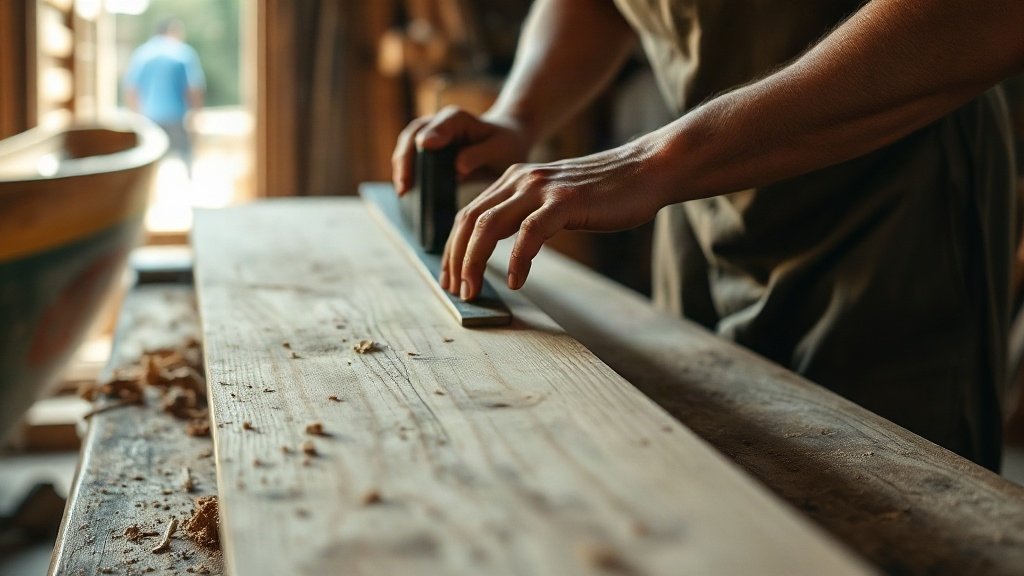
Illustration: AI-generated image
Betina, a small town on the island of Murter in the Šibenik archipelago, holds a remarkable distinction: it is home to one of Croatia's most enduring maritime crafts. For centuries, local shipbuilders have hand-crafted traditional wooden boats, using techniques passed down through generations. In 2016, the art of building these vessels was inscribed on UNESCO's Representative List of the Intangible Cultural Heritage of Humanity, a recognition of its deep cultural significance and the community's commitment to safeguarding it.
A Living Maritime Heritage
The shipbuilding tradition in Betina dates back to the 18th century, when the town's strategic location and abundant oak forests provided ideal conditions for the trade. Over time, Betina became renowned throughout the Adriatic for its skilled craftsmen, known as "kalafati" (caulkers) and "majstori" (masters). The boats they built were not just working vessels; they were expressions of local identity, adapted to the specific needs of fishing, transport and everyday life along the Dalmatian coast.
Today, while modern materials have replaced wood in many shipyards, Betina's traditional boat building continues to thrive, thanks to dedicated craftsmen and a museum dedicated to preserving the knowledge. The craft is not merely a nostalgic relic but a living practice, with new boats still being made for both practical use and cultural events.
The Boats Themselves
The most iconic boats built in Betina are the "gajeta" and the "leut". The gajeta is a versatile, double-ended wooden boat with a distinctive rounded hull, typically between five and nine metres long. It was historically used for fishing, transport and even regattas. The leut is larger, often exceeding ten metres, and was commonly used for cargo transport and longer journeys. Both are characterised by their elegant lines, sturdy construction and the use of traditional wooden joints, such as the "škaram" (oarlock) and "kobilica" (keel).
Each boat is unique, reflecting the builder's skill and the owner's preferences. Decorative elements, such as carved prows and painted hulls, often carry symbolic meanings or family emblems. The boats are not just functional; they are works of art that embody the maritime culture of the Adriatic.
How They Are Built
Traditional boat building in Betina relies almost entirely on hand tools and time-honoured techniques. The process begins with selecting the right wood: oak for the keel and frames, and pine or larch for the planking. The wood is carefully seasoned, sometimes for years, to ensure durability. Builders then shape the hull using a method called "klampanje" (planking), where each plank is individually fitted and fastened with wooden pegs or iron nails.
Caulking, the process of sealing the seams between planks with oakum and pitch, is a critical step that ensures the boat is watertight. Finally, the boat is finished with natural oils or paints, and often adorned with traditional motifs. The entire process can take months, requiring patience, precision and an intimate knowledge of the materials.
Where to See It
Visitors to Betina can witness this craft firsthand. The Betina Museum of Wooden Shipbuilding, located in the town centre, houses a collection of historic boats, tools and photographs that tell the story of the local shipbuilding heritage. The museum also organises workshops and demonstrations, allowing visitors to see skilled craftsmen at work. Additionally, the town's harbour is often dotted with traditional boats, and during the summer months, local regattas and festivals celebrate the maritime culture.
For those unable to visit, the tradition lives on through the community's active engagement. Betina's shipbuilders continue to pass on their knowledge to younger generations, ensuring that the craft remains a vibrant part of Croatia's intangible heritage.