Croatian Markets: How to Shop Like a Local at a Dalmatian Green Market
A practical guide to Croatia's open-air markets: what to buy through the year, how to choose produce and the small etiquette points that make the visit easier.
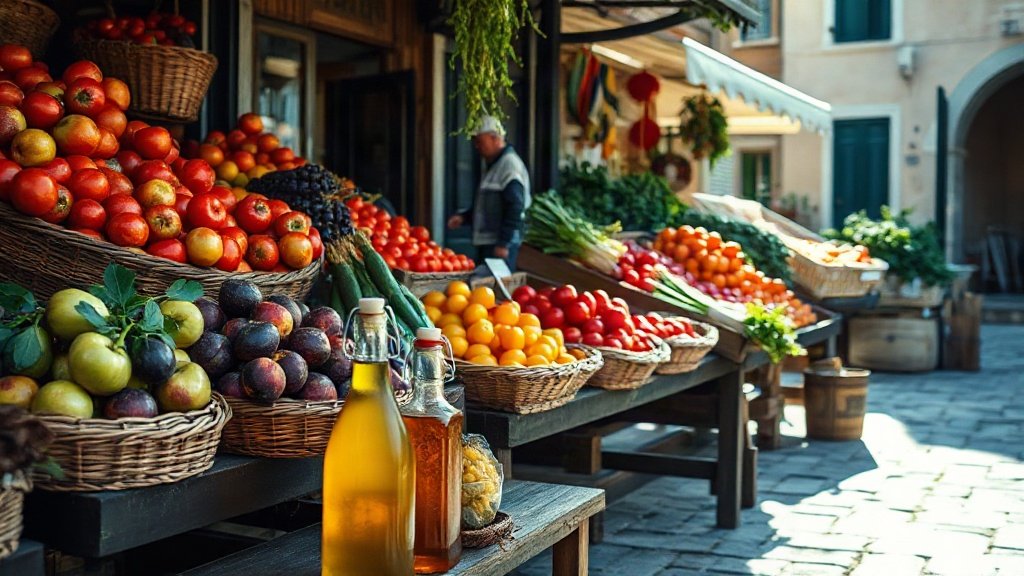
Illustration: AI-generated image
Every Croatian town of any size has a tržnica, or green market, and for many people it is still the first stop of the day. Fruit and vegetables, cheese, honey, olive oil and flowers are laid out on stalls, and the conversation is half the point.
What you will find
Markets follow the seasons, which is a big part of their charm. Roughly speaking, the year runs like this:
- Spring: wild asparagus, young spinach, chard, spring onions and the first strawberries.
- Summer: tomatoes, peppers, aubergines, courgettes, peaches, figs and watermelon.
- Autumn: grapes, pomegranates, pumpkins, walnuts, chestnuts and mushrooms in some regions.
- Winter: cabbage, kale, leeks, citrus fruit, kiwi and plenty of root vegetables.
Alongside produce, many stalls sell homemade products: bottles of olive oil, jars of honey, dried figs, lavender, herbal brandy (rakija) and cured meats. Coastal markets often sit near a fish market, where the morning catch is sold early in the day.
How to choose well
Look for what is plentiful and in season. A table piled high with one type of produce usually signals that it is at its best. Smaller, slightly irregular tomatoes or peaches often taste better than perfect-looking ones.
Sellers are usually happy to explain how to use something unfamiliar. A simple question about what is good today tends to get a useful answer, and sometimes a taste.
Etiquette and practical tips
- Go early. Mornings offer the widest choice and the best atmosphere; the best items can sell out before midday.
- Greet people. A simple dobro jutro (good morning) goes a long way.
- Ask before touching. At many stalls the seller will pick for you, especially with soft fruit. If in doubt, ask.
- Bring a bag. A reusable shopping bag or basket is standard.
- Carry small change. Not every stall takes cards, so cash makes things easier.
- Do not haggle hard. Prices are generally fixed, and gentle bargaining is more likely to be seen when buying several items together.
Making a meal of it
A market visit works well as the start of a simple meal. Pair fresh tomatoes with local cheese and olive oil, or grab greens such as chard to cook with potatoes, a classic Dalmatian side. Many people finish with a coffee at a nearby café, which is as much a part of the ritual as the shopping.
Markets are also a good way to understand regional differences. Coastal stalls lean towards olive oil, citrus and figs, while markets inland offer more dairy, cured meats, apples and hearty vegetables.
Whether you live here or are simply passing through, a morning at the green market is one of the easiest ways to taste Croatia as it is eaten day to day.